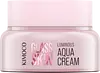
This barrier-repair moisturizer is formulated around Lactobacillus Ferment and Sodium Hyaluronate to strengthen the skin barrier and hydrate skin.
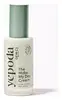
This barrier-repair day moisturizer is formulated around Centella Asiatica Extract and Camellia Sinensis Extract to strengthen the skin barrier and calm redness.


What's inside
What's inside
 Key Ingredients
Benefits
Concerns
Ingredients Side-by-side
Oryza Sativa Seed Water
Antimicrobial
Glycerin
Humectant


Butylene Glycol
Humectant
Water
Skin Conditioning1,2-Hexanediol
Skin Conditioning
Hydrogenated Polydecene
EmollientLactobacillus Ferment
Skin Conditioning
Lactobacillus Ferment Lysate
Skin Conditioning
Arginine
Masking
Sodium Hyaluronate
Humectant

Eclipta Prostrata Extract
Skin Conditioning
Coccinia Indica Fruit Extract
Skin Conditioning
Allantoin
Skin Conditioning
Ceramide NP
Skin Conditioning
Panthenol
Skin Conditioning
Hydrolyzed Sodium Hyaluronate
Skin Conditioning
Morus Alba Bark Extract
Skin ConditioningPolygonum Multiflorum Root Extract
Skin ConditioningScutellaria Baicalensis Root Extract
Astringent
Phellinus Linteus Extract
Skin ConditioningGlycyrrhiza Glabra Root Extract
Bleaching

Sesamum Indicum Seed Extract
Skin Conditioning
Glucose
Humectant
Propanediol
Solvent
Paeonia Lactiflora Root Extract
Skin ConditioningAngelica Gigas Root Extract
Skin ConditioningHydrolyzed Hyaluronic Acid
Humectant
Sodium Acetylated Hyaluronate
Humectant
Hydroxypropyltrimonium Hyaluronate
Dimethylsilanol Hyaluronate
Humectant
Sodium Hyaluronate Crosspolymer
Humectant
Hyaluronic Acid
Humectant
Sophora Flavescens Root Extract
Antioxidant
Cimicifuga Racemosa Root Extract
Antimicrobial
Potassium Hyaluronate
Skin ConditioningMadecassoside
Antioxidant
Asiaticoside
Antioxidant
Asiatic Acid
Skin Conditioning
Madecassic Acid
Skin Conditioning
Hydroxyethyl Acrylate/Sodium Acryloyldimethyl Taurate Copolymer
Emulsion StabilisingCarbomer
Emulsion StabilisingCetearyl Alcohol
Emollient






Xanthan Gum
EmulsifyingC14-22 Alcohols
Emulsion Stabilising
Ethylhexylglycerin
Skin ConditioningGlyceryl Acrylate/Acrylic Acid Copolymer
HumectantC12-20 Alkyl Glucoside
EmulsifyingPentylene Glycol
Skin Conditioning
Sorbitan Isostearate
Emulsifying
Pvm/Ma Copolymer
Emulsion StabilisingParfum
Masking


Tetramethyl Acetyloctahydronaphthalenes
Masking
Acetyl Cedrene
Linalyl Acetate
Masking
Hexamethylindanopyran
Masking
Oryza Sativa Seed Water, Glycerin, Butylene Glycol, Water, 1,2-Hexanediol, Hydrogenated Polydecene, Lactobacillus Ferment, Lactobacillus Ferment Lysate, Arginine, Sodium Hyaluronate, Eclipta Prostrata Extract, Coccinia Indica Fruit Extract, Allantoin, Ceramide NP, Panthenol, Hydrolyzed Sodium Hyaluronate, Morus Alba Bark Extract, Polygonum Multiflorum Root Extract, Scutellaria Baicalensis Root Extract, Phellinus Linteus Extract, Glycyrrhiza Glabra Root Extract, Sesamum Indicum Seed Extract, Glucose, Propanediol, Paeonia Lactiflora Root Extract, Angelica Gigas Root Extract, Hydrolyzed Hyaluronic Acid, Sodium Acetylated Hyaluronate, Hydroxypropyltrimonium Hyaluronate, Dimethylsilanol Hyaluronate, Sodium Hyaluronate Crosspolymer, Hyaluronic Acid, Sophora Flavescens Root Extract, Cimicifuga Racemosa Root Extract, Potassium Hyaluronate, Madecassoside, Asiaticoside, Asiatic Acid, Madecassic Acid, Hydroxyethyl Acrylate/Sodium Acryloyldimethyl Taurate Copolymer, Carbomer, Cetearyl Alcohol, Xanthan Gum, C14-22 Alcohols, Ethylhexylglycerin, Glyceryl Acrylate/Acrylic Acid Copolymer, C12-20 Alkyl Glucoside, Pentylene Glycol, Sorbitan Isostearate, Pvm/Ma Copolymer, Parfum, Tetramethyl Acetyloctahydronaphthalenes, Acetyl Cedrene, Linalyl Acetate, Hexamethylindanopyran
Water
Skin ConditioningPropanediol
Solvent
Butoxyethanol
MaskingCaprylic/Capric Triglyceride
Masking
Camellia Japonica Gamma-Lactone
Skin ConditioningCetearyl Olivate
Simmondsia Chinensis Butter
Skin Conditioning
Centella Asiatica Extract
Cleansing
Sorbitan Olivate
Emulsifying
1,2-Hexanediol
Skin Conditioning
Butyrospermum Parkii Butter
Skin Conditioning
Camellia Sinensis Extract
Antioxidant
Ceramide NP
Skin Conditioning
Asiatic Acid
Skin Conditioning
Curcuma Longa Rhizome Extract
Skin ConditioningTocopherol
Antioxidant
Melia Azadirachta Extract
Skin ConditioningCoccinia Indica Fruit Extract
Skin Conditioning
Moringa Oleifera Callus Extract
Antioxidant
Helianthus Annuus Seedcake
Abrasive
Glycerin
Humectant
Solanum Melongena Fruit Extract
Skin ConditioningOcimum Sanctum Leaf Extract
Skin ConditioningHydrolyzed Corallina Officinalis
Skin ConditioningSclerotium Gum
Emulsion StabilisingXanthan Gum
EmulsifyingGlucose
Humectant
C14-22 Alcohols
Emulsion Stabilising
Ethylhexylglycerin
Skin ConditioningC12-20 Alkyl Glucoside
EmulsifyingLinalool
Perfuming
Aniba Rosodora Wood Oil
Astringent
Geraniol
Perfuming
Water, Propanediol, Butoxyethanol, Caprylic/Capric Triglyceride, Camellia Japonica Gamma-Lactone, Cetearyl Olivate, Simmondsia Chinensis Butter, Centella Asiatica Extract, Sorbitan Olivate, 1,2-Hexanediol, Butyrospermum Parkii Butter, Camellia Sinensis Extract, Ceramide NP, Asiatic Acid, Curcuma Longa Rhizome Extract, Tocopherol, Melia Azadirachta Extract, Coccinia Indica Fruit Extract, Moringa Oleifera Callus Extract, Helianthus Annuus Seedcake, Glycerin, Solanum Melongena Fruit Extract, Ocimum Sanctum Leaf Extract, Hydrolyzed Corallina Officinalis, Sclerotium Gum, Xanthan Gum, Glucose, C14-22 Alcohols, Ethylhexylglycerin, C12-20 Alkyl Glucoside, Linalool, Aniba Rosodora Wood Oil, Geraniol
Reviews
Ingredients Explained
These ingredients are found in both products.
Ingredients higher up in an ingredient list are typically present in a larger amount.
1,2-Hexanediol is a synthetic liquid and another multi-functional powerhouse.
It is a:
- Humectant, drawing moisture into the skin
- Emollient, helping to soften skin
- Solvent, dispersing and stabilizing formulas
- Preservative booster, enhancing the antimicrobial activity of other preservatives
Asiatic Acid is one of the four main actives found in Centella Asiatica. Its headline job is stimulating collagen.
Lab tests on human skin cells show Asiatic Acid tells your skin to make more collagen, the protein that keeps skin firm and bouncy.
It also calms inflammation and acts as an antioxidant so it can help skin heal faster, rebuild itself, and repair a damaged barrier.
And on naming, even though "acid" is in the name, it's nothing like an AHA or BHA exfoliant. It's a gentle firming and soothing ingredient that supports your skin barrier.
Concentration-wise, Asiatic Acid is potent at very low doses and usually shows up as a small fraction of a broader centella extract.
Analyses of centella material put Asiatic Acid reported in the range of 0.2-3% of the extract.
This ingredient is non-sensitizing and guinea pig sensitization testing also found it to be a weak sensitizer. That means the risk of acquiring contact sensitivty is quite low.
Allergic contact dermatitis does exist but is also very rare; documented cases tend to involve prolonged use on broken skin plus co-sensitization to fragrance ingredients.
Learn more about Asiatic AcidWe don't have a description for C12-20 Alkyl Glucoside yet.
This ingredient is a blend of long-chain fatty alcohols (myristyl, cetyl, stearyl, arachidyl, and behenyl). It is an emulsion stabilizer with emollient properties.
Don't let the word "alcohol" scare you: fatty alcohols are nothing like the drying solvents. This ingredient actually helps soften and smooth the skin.
By the way, the FDA allows products to be labeled "alcohol-free" even when they contain fatty alcohols like this one.
In a formula, it prevents the water and oil phases from separating over time while also contributing to a pleasant, non-greasy slip.
Interestingly, this ingredient can organize into the structures that mimic the skin's own lipid architecture to help support barrier function and reduce transepidermal water loss (TEWL).
The CIR Expert Panel has thoroughly assess the individual fatty alcohols that make up this blend and found no significant toxicity or dermal irritation.
Learn more about C14-22 AlcoholsCeramide NP (formerly known as Ceramide 3) is one of the skin's naturally occurring lipids.
Since ceramides are the major lipid components of the skin, they are crucial for maintaining skin barrier and hydration. Ceramide NP most closely mirrors the dominant kind in human skin amongst ceramide subtypes.
This ceramide works by slotting into gaps within the stratum corneum's lipid matrix to limit trans-epidermal water loss (TEWL) and shield the skin against external irritants.
A study with 312 patients found that using a ceramide-containing routine for 4 weeks reduced the severity of atopic dermatitis by over 61%.
Another clinical study in subjects aged 60 and older found that a ceramide body wash and moisturizer improved skin dryness and itchy skin in 15 days.
Overall, ceramides are considered non-irritating and safety tests have found little to no observable adverse effects from using this ingredient.
Ceramide NP is usually sourced from plants (like soybean or rice bran), or produced synthetically.
Learn more about Ceramide NPCoccinia Indica Fruit Extract is also known as Ivy Gourd Fruit Extract. It has skin conditioning properties.
The fruit is rich in flavonoids, phenolic acids, terpenoids, and sterols that show antioxidant and anti-inflammatory effect in vitro. This is because the fruit contains a thick mucilage that forms a protective and soothing layer on the skin's surface.
The extract itself has demonstrated antioxidant, soothing, and potential anti-allergy properties.
Most of this research is done in vitro and dedicated clinical studies on topical application are still limited.
Learn more about Coccinia Indica Fruit ExtractEthylhexylglycerin is created from glycerin. It is a multitasker ingredient that:
The CIR Expert Panel found minimal skin absorption or sensitization of any kind in a safety assessment. Though this ingredient is considered well-tolerated, a small number of cases of allergic dermatitis have been published since 2002. Just be sure to patch test if you are unsure.
Industry-reported use ranges from 8% in rinse-off products and 2% in leave-on formulations.
Learn more about EthylhexylglycerinGlucose is a simple sugar (a monosaccharide). In skincare, it is mostly a humectant and skin conditioning agent.
Mechanistically, it has multiple hydroxyl groups that hydrogen-bond to water. This pulls moisture into the upper layers of skin to keep the surface soft and hydrated.
It's worth knowing sugars are already a natural component of the skin's NMF (natural moisturizing factor) so it's a molecule that your stratum corneum is well-acquainted with.
Just so you know, glucose is hydrophilic (water-loving) and the stratum corneum is a strong barrier to hydrophilic compounds. This just means penetration is slow and most of the action is happening on the surface.
Gram-to-gram, glucose is not as efficient as a humectant as glycerin. This is why you'll likely see glycose paired with stronger humectants for a bigger hydration payoff.
In skincare, glucose is typically derived from corn or other starch sources.
Learn more about GlucoseGlycerin (or glycerol) is a compound naturally found in your skin. It's a powerhouse humectant that pulls water into the stratum corneum.
Topically, glycerin does several things at once:
Your skin makes glycerin on its own (mostly from sebaceous oil breakdown) and shuttles it to your outermost layer of skin, or your epidermis, via aquaporin-3.
Aquaporin-3 is a transporter that is essential for normal skin hydration, elasticity, and repair. Interestingly, mice lacking in AQP3 have dry and less elastic skin that can be fully corrected with glycerin.
This ingredient is non-irritating, plays well with almost every ingredient, and works across all skin types. Typical use is anywhere between 3-10% but can go up to 79% in some leave-on products.
Just know very high concentrations (>40%) can feel tacky in low humidity.
Glycerin is the name for this ingredient in American English. British English uses Glycerol/Glycerine.
Learn more about GlycerinPropanediol is an all-star ingredient. It softens, hydrates, and smooths the skin.
It’s often used to:
Propanediol is not likely to cause sensitivity and considered safe to use. It is derived from corn or petroleum with a clear color and no scent.
Learn more about PropanediolWater. It's the most common cosmetic ingredient of all. You'll usually see it at the top of ingredient lists, meaning that it makes up the largest part of the product.
So why is it so popular? Water most often acts as a solvent - this means that it helps dissolve other ingredients into the formulation.
You'll also recognize water as that liquid we all need to stay alive. If you see this, drink a glass of water. Remember to stay hydrated!
Learn more about WaterXanthan gum is used as a stabilizer and thickener within cosmetic products. It helps give products a sticky, thick feeling - preventing them from being too runny.
On the technical side of things, xanthan gum is a polysaccharide - a combination consisting of multiple sugar molecules bonded together.
Xanthan gum is a pretty common and great ingredient. It is a natural, non-toxic, non-irritating ingredient that is also commonly used in food products.
Learn more about Xanthan Gum


