

What's inside
What's inside
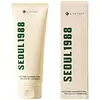 Key Ingredients
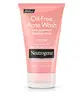
Benefits
Concerns
Ingredients Side-by-side
Water
Skin ConditioningMyristic Acid
Cleansing

Glycerin
Humectant



Potassium Hydroxide
BufferingPalmitic Acid
Emollient
Stearic Acid
Cleansing
Coco-Betaine
CleansingLauric Acid
Cleansing
Glyceryl Stearate
Emollient
Sorbitan Olivate
Emulsifying
Caprylyl Glycol
Emollient
1,2-Hexanediol
Skin Conditioning
Sodium Chloride
Masking

Salicylic Acid
Masking





Butylene Glycol
Humectant
Hydroxypropyl Starch Phosphate
Ethylhexylglycerin
Skin ConditioningBifida Ferment Lysate
Skin Conditioning
Synthetic Beeswax
Emulsion Stabilising
Disodium EDTA
Pinus Densiflora Leaf Extract
Antimicrobial
Centella Asiatica Extract
Cleansing

Lactobacillus Ferment
Skin Conditioning
Asiatic Acid
Skin ConditioningAsiaticoside
Antioxidant
Madecassic Acid
Skin Conditioning
Madecassoside
Antioxidant
Bambusa Vulgaris Extract
Skin Conditioning
Chamaecyparis Obtusa Leaf Extract
Skin ConditioningThuja Orientalis Extract
AntimicrobialWater, Myristic Acid, Glycerin, Potassium Hydroxide, Palmitic Acid, Stearic Acid, Coco-Betaine, Lauric Acid, Glyceryl Stearate, Sorbitan Olivate, Caprylyl Glycol, 1,2-Hexanediol, Sodium Chloride, Salicylic Acid, Butylene Glycol, Hydroxypropyl Starch Phosphate, Ethylhexylglycerin, Bifida Ferment Lysate, Synthetic Beeswax, Disodium EDTA, Pinus Densiflora Leaf Extract, Centella Asiatica Extract, Lactobacillus Ferment, Asiatic Acid, Asiaticoside, Madecassic Acid, Madecassoside, Bambusa Vulgaris Extract, Chamaecyparis Obtusa Leaf Extract, Thuja Orientalis Extract
Salicylic Acid 2%
Masking
Water
Skin ConditioningSodium C14-16 Olefin Sulfonate
Cleansing
Glycerin
Humectant
Cocamidopropyl Betaine
Cleansing
Polyethylene
Abrasive
Acrylates Copolymer
Chondrus Crispus
Masking
C12-15 Alkyl Lactate
EmollientDisodium EDTA
Cocamidopropyl Pg-Dimonium Chloride Phosphate
Citrus Grandis Fruit Extract
Astringent
Polyquaternium-7
Camellia Sinensis Leaf Extract
Antimicrobial
Ascorbyl Palmitate
Antioxidant

Neopentyl Glycol Dicaprylate/Dicaprate
EmollientAnthemis Nobilis Flower Extract
Masking
Polysorbate 20
Emulsifying
Polyvinyl Alcohol
Propylene Glycol
Humectant
Sodium Chloride
Masking
Benzalkonium Chloride
Antimicrobial
Butylene Glycol
Humectant
Sodium Benzotriazolyl Butylphenol Sulfonate
UV AbsorberAgar
MaskingAlumina
Abrasive
Mica
Cosmetic Colorant
Titanium Dioxide
Cosmetic Colorant

Sodium Hydroxide
BufferingCI 15850
Cosmetic ColorantCI 16035
Cosmetic ColorantCI 60725
Cosmetic ColorantParfum
Masking
Salicylic Acid 2%, Water, Sodium C14-16 Olefin Sulfonate, Glycerin, Cocamidopropyl Betaine, Polyethylene, Acrylates Copolymer, Chondrus Crispus, C12-15 Alkyl Lactate, Disodium EDTA, Cocamidopropyl Pg-Dimonium Chloride Phosphate, Citrus Grandis Fruit Extract, Polyquaternium-7, Camellia Sinensis Leaf Extract, Ascorbyl Palmitate, Neopentyl Glycol Dicaprylate/Dicaprate, Anthemis Nobilis Flower Extract, Polysorbate 20, Polyvinyl Alcohol, Propylene Glycol, Sodium Chloride, Benzalkonium Chloride, Butylene Glycol, Sodium Benzotriazolyl Butylphenol Sulfonate, Agar, Alumina, Mica, Titanium Dioxide, Sodium Hydroxide, CI 15850, CI 16035, CI 60725, Parfum
Reviews
Ingredients Explained
These ingredients are found in both products.
Ingredients higher up in an ingredient list are typically present in a larger amount.
Butylene Glycol (or BG) is used within cosmetic products for a few different reasons:
Overall, Butylene Glycol is a safe and well-rounded ingredient that works well with other ingredients.
Though this ingredient works well with most skin types, some people with sensitive skin may experience a reaction such as allergic rashes, closed comedones, or itchiness.
Learn more about Butylene GlycolDisodium EDTA plays a role in making products more stable by aiding other preservatives.
It is a chelating agent, meaning it neutralizes metal ions that may be found in a product.
Disodium EDTA is a salt of edetic acid and is found to be safe in cosmetic ingredients.
Learn more about Disodium EDTAGlycerin is already naturally found in your skin. It helps moisturize and protect your skin.
A study from 2016 found glycerin to be more effective as a humectant than AHAs and hyaluronic acid.
As a humectant, it helps the skin stay hydrated by pulling moisture to your skin. The low molecular weight of glycerin allows it to pull moisture into the deeper layers of your skin.
Hydrated skin improves your skin barrier; Your skin barrier helps protect against irritants and bacteria.
Glycerin has also been found to have antimicrobial and antiviral properties. Due to these properties, glycerin is often used in wound and burn treatments.
In cosmetics, glycerin is usually derived from plants such as soybean or palm. However, it can also be sourced from animals, such as tallow or animal fat.
This ingredient is organic, colorless, odorless, and non-toxic.
Glycerin is the name for this ingredient in American English. British English uses Glycerol/Glycerine.
Learn more about GlycerinSalicylic Acid (also known as beta hydroxy acid or BHA) is a well-known ingredient for treating skin that struggles with acne and clogged pores. It exfoliates both the skin's surface and deep within the pores to help clear out buildup, control oil, and reduce inflammation.
Unlike AHAs (alpha hydroxy acids), salicylic acid is oil-soluble. This allows it to penetrate into pores which makes it especially effective for treating blackheads and preventing future breakouts.
Salicylic acid is also known for its soothing properties. It has a similar structure to aspirin and can calm inflamed or irritated skin, making it a good option for acne-prone skin that is also sensitive.
Concentrations of 0.5-2% are recognized by the U.S. FDA as an over-the-counter topical acne product.
It can cause irritation and/or dryness if one's skin already has a compromised moisture barrier, so it's best to focus on repairing that before introducing this ingredient into your routine.
While salicylic acid does not increase sun sensitivity, it’s still important to wear sunscreen daily to protect your skin.
If you are looking for the ingredient called BHA or Butylated Hydroxyanisole, click here.
Learn more about Salicylic AcidChances are, you eat sodium chloride every day. Sodium Chloride is also known as table salt.
This ingredient has many purposes in skincare: thickener, emulsifier, and exfoliator.
You'll most likely find this ingredient in cleansers where it is used to create a gel-like texture. As an emulsifier, it also prevents ingredients from separating.
There is much debate on whether this ingredient is comedogenic. The short answer - comedogenic ratings don't tell the whole story. Learn more about comegodenic ratings here.
The concensus about this ingredient causing acne seems to be divided. Research is needed to understand if this ingredient does cause acne.
Scrubs may use salt as the primary exfoliating ingredient.
Learn more about Sodium ChlorideWater. It's the most common cosmetic ingredient of all. You'll usually see it at the top of ingredient lists, meaning that it makes up the largest part of the product.
So why is it so popular? Water most often acts as a solvent - this means that it helps dissolve other ingredients into the formulation.
You'll also recognize water as that liquid we all need to stay alive. If you see this, drink a glass of water. Stay hydrated!
Learn more about Water
