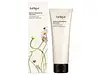
This barrier-repair day moisturizer is formulated around Persea Gratissima Oil and Carthamus Tinctorius Seed Oil to strengthen the skin barrier and hydrate skin.
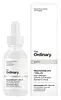
This oil-control serum is formulated around Niacinamide and Zinc PCA to balance excess oil and refine the look of pores.


What's inside
What's inside
 Key Ingredients
Benefits
Concerns
No concerns
Ingredients Side-by-side
Water
Skin ConditioningDicaprylyl Ether
Emollient
Glycerin
Humectant

Persea Gratissima Oil
Skin Conditioning




Carthamus Tinctorius Seed Oil
Masking
Beeswax
Emulsion Stabilising
Caprylic/Capric Triglyceride
Masking
Polyglyceryl-3 Polyricinoleate
Emulsifying
Sorbitan Oleate
Emulsifying
Simmondsia Chinensis Seed Oil
Emollient
Rosa Canina Fruit Oil
Emollient
Butyrospermum Parkii Butter
Skin Conditioning
Magnesium Sulfate
Althaea Officinalis Root Extract
Skin Conditioning
Chamomilla Recutita Flower Extract
Masking

Calendula Officinalis Flower Extract
Masking
Camellia Sinensis Leaf Extract
Antimicrobial




Rosa Gallica Flower Extract
AstringentVitis Vinifera Seed Extract
Antimicrobial
Bellis Perennis Flower Extract
Skin ConditioningViola Odorata Flower/Leaf Extract
MaskingEchinacea Purpurea Root Extract
MoisturisingViola Tricolor Extract
EmollientCurcuma Longa Root Extract
Antioxidant
Hydrolyzed Soy Protein
Humectant
Macadamia Ternifolia Seed Oil
Emollient
Lauroyl Lysine
Skin Conditioning
Honey
Humectant
Oenothera Biennis Oil
Emollient
Sodium Hydroxymethylglycinate
Preservative
Lactic Acid
Buffering



Retinyl Palmitate
Skin Conditioning
Parfum
Masking
Sd Alcohol 40-A
Astringent

Citrus Grandis Seed Extract
Astringent
Tocopheryl Acetate
Antioxidant
Sodium Ascorbate
Antioxidant
Allantoin
Skin Conditioning
Arachis Hypogaea Oil
Skin Conditioning
Symphytum Officinale Root Extract
Skin ConditioningPotassium Sorbate
Preservative
Phenoxyethanol
Preservative
Tocopherol
Antioxidant
Limonene
Perfuming
Linalool
Perfuming
Geraniol
Perfuming
Citronellol
Perfuming
Hexyl Cinnamal
Perfuming
Eugenol
Perfuming
Benzyl Benzoate
Antimicrobial
Citral
Perfuming
Water, Dicaprylyl Ether, Glycerin, Persea Gratissima Oil, Carthamus Tinctorius Seed Oil, Beeswax, Caprylic/Capric Triglyceride, Polyglyceryl-3 Polyricinoleate, Sorbitan Oleate, Simmondsia Chinensis Seed Oil, Rosa Canina Fruit Oil, Butyrospermum Parkii Butter, Magnesium Sulfate, Althaea Officinalis Root Extract, Chamomilla Recutita Flower Extract, Calendula Officinalis Flower Extract, Camellia Sinensis Leaf Extract, Rosa Gallica Flower Extract, Vitis Vinifera Seed Extract, Bellis Perennis Flower Extract, Viola Odorata Flower/Leaf Extract, Echinacea Purpurea Root Extract, Viola Tricolor Extract, Curcuma Longa Root Extract, Hydrolyzed Soy Protein, Macadamia Ternifolia Seed Oil, Lauroyl Lysine, Honey, Oenothera Biennis Oil, Sodium Hydroxymethylglycinate, Lactic Acid, Retinyl Palmitate, Parfum, Sd Alcohol 40-A, Citrus Grandis Seed Extract, Tocopheryl Acetate, Sodium Ascorbate, Allantoin, Arachis Hypogaea Oil, Symphytum Officinale Root Extract, Potassium Sorbate, Phenoxyethanol, Tocopherol, Limonene, Linalool, Geraniol, Citronellol, Hexyl Cinnamal, Eugenol, Benzyl Benzoate, Citral



Reviews
Ingredients Explained
These ingredients are found in both products.
Ingredients higher up in an ingredient list are typically present in a larger amount.
Phenoxyethanol is one of the most widely used preservatives in skincare (and for good reason!).
It has a large spectrum of antimicrobial activity and especially effective bacteria, yeast, and mold while only having a weak effect on your skin's natural microbiome.
On a cellular level, it disrupts the cell membranes of microbes by poking holes that make the cell leak. This shuts down the chemical reactions the microbe needs to make energy so it can no longer survive.
Another perk of this ingredient is that it stays functional across a wide pH range (3-10).
You'll often see it paired with boosters like Ethylhexylglycerin; one study showed that a 1:9 ratio of Ethylhexylglycerin to Phenoxyethanol damages bacterial membranes as effectively as doubling the Phenoxyethanol concentration on its own.
Typical use concentrations range from 0.3-1% depending on the formula, and this ingredient is capped at 1% int the EU.
Safety-wise, the fear mongering does not hold up to the evidence. The EU's Scientific Committee on Consumer Safety and FDA consider it safe as a preservative at up to 1%, including for children of all ages.
Adverse systemic effects only showed up in animal studies at exposures roughly 200x higher than what people get from cosmetics. And despite its very widespread use, this ingredient is a rare sensitizer and allergic reactions are uncommon.
Learn more about PhenoxyethanolWater. It's the most common cosmetic ingredient of all. You'll usually see it at the top of ingredient lists, meaning that it makes up the largest part of the product.
So why is it so popular? Water most often acts as a solvent - this means that it helps dissolve other ingredients into the formulation.
You'll also recognize water as that liquid we all need to stay alive. If you see this, drink a glass of water. Remember to stay hydrated!
Learn more about Water

