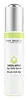
This anti-aging essence is formulated around Palmitoyl Tetrapeptide-7 and Magnesium Ascorbyl Phosphate to soften the look of wrinkles and brighten dull-looking skin.
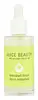
This anti-aging serum is formulated around Gluconolactone and Ubiquinone to soften the look of wrinkles and brighten dull-looking skin.

What's inside
What's inside
 Key Ingredients
Benefits
Concerns
Ingredients Side-by-side
Pyrus Malus Juice
Skin ConditioningVitis Vinifera
MaskingAloe Barbadensis Leaf Extract
Emollient


Citrus Limon Juice
Skin Conditioning
Glycerin
Humectant

Coconut Alkanes
Emollient


Coco-Caprylate
Emollient
Sodium Hyaluronate
Humectant

Glyceryl Stearate Se
Emulsifying


Hydroxyethylcellulose
Emulsion StabilisingOenothera Biennis Oil
Emollient
Borago Officinalis Seed Oil
Emollient
Camellia Sinensis Leaf Extract
Antimicrobial



Epilobium Angustifolium Flower/Leaf/Stem Extract
Skin ConditioningVaccinium Myrtillus Fruit Extract
Skin ConditioningSaccharum Officinarum Extract
MoisturisingAcer Saccharum Extract
Skin ConditioningCitrus Aurantium Dulcis Fruit Extract
MaskingCitrus Limon Fruit Extract
Masking
Coenochloris Signiensis Extract
Skin ConditioningDipeptide-2
Skin Conditioning
Palmitoyl Tetrapeptide-7
Skin Conditioning
Xanthan Gum
EmulsifyingSodium Benzoate
Masking
Potassium Sorbate
Preservative
Squalane
Emollient
Ubiquinone
Antioxidant
Dimethylaminoethanol Tartrate
EmollientThioctic Acid
Antioxidant
Magnesium Ascorbyl Phosphate
Antioxidant
Tocopherol
Antioxidant

Hesperidin Methyl Chalcone
Antioxidant
Sodium Phytate
Triethyl Citrate
Masking

Citrus Aurantium Dulcis Oil
Masking
Litsea Cubeba Fruit Oil
Masking
Cinnamomum Camphora Wood Oil
Masking
Pyrus Malus Juice, Vitis Vinifera, Aloe Barbadensis Leaf Extract, Citrus Limon Juice, Glycerin, Coconut Alkanes, Coco-Caprylate, Sodium Hyaluronate, Glyceryl Stearate Se, Hydroxyethylcellulose, Oenothera Biennis Oil, Borago Officinalis Seed Oil, Camellia Sinensis Leaf Extract, Epilobium Angustifolium Flower/Leaf/Stem Extract, Vaccinium Myrtillus Fruit Extract, Saccharum Officinarum Extract, Acer Saccharum Extract, Citrus Aurantium Dulcis Fruit Extract, Citrus Limon Fruit Extract, Coenochloris Signiensis Extract, Dipeptide-2, Palmitoyl Tetrapeptide-7, Xanthan Gum, Sodium Benzoate, Potassium Sorbate, Squalane, Ubiquinone, Dimethylaminoethanol Tartrate, Thioctic Acid, Magnesium Ascorbyl Phosphate, Tocopherol, Hesperidin Methyl Chalcone, Sodium Phytate, Triethyl Citrate, Citrus Aurantium Dulcis Oil, Litsea Cubeba Fruit Oil, Cinnamomum Camphora Wood Oil
Vitis Vinifera Juice
Antioxidant
Citrus Aurantium Dulcis Juice
Skin ConditioningAloe Barbadensis Leaf Juice
Skin Conditioning
Glycerin
Humectant
Triethyl Citrate
Masking
Gluconolactone
Skin Conditioning

Oenothera Biennis Oil
Emollient
Linum Usitatissimum Seed Oil
Perfuming
Borago Officinalis Seed Oil
Emollient
Vitis Vinifera Seed Oil
Emollient
Helianthus Annuus Seed Oil
Emollient
Pullulan
Sodium Benzoate
Masking
Laminaria Ochroleuca Extract
Skin Conditioning
Ubiquinone
Antioxidant
Dimethylaminoethanol Tartrate
EmollientThioctic Acid
Antioxidant
Magnesium Ascorbyl Phosphate
Antioxidant
Tocopherol
Antioxidant
Sodium Hyaluronate
Humectant
Sclerotium Gum
Emulsion StabilisingXanthan Gum
EmulsifyingSodium Stearoyl Glutamate
CleansingSodium Gluconate
Skin ConditioningCaprylic/Capric Triglyceride
Masking
Alcohol Denat.
Antimicrobial

Gluconic Acid
Sodium Hydroxide
BufferingCitrus Aurantium Bergamia Fruit Oil
Masking
Citrus Aurantium Dulcis Peel Oil
Masking
Vitis Vinifera Juice, Citrus Aurantium Dulcis Juice, Aloe Barbadensis Leaf Juice, Glycerin, Triethyl Citrate, Gluconolactone, Oenothera Biennis Oil, Linum Usitatissimum Seed Oil, Borago Officinalis Seed Oil, Vitis Vinifera Seed Oil, Helianthus Annuus Seed Oil, Pullulan, Sodium Benzoate, Laminaria Ochroleuca Extract, Ubiquinone, Dimethylaminoethanol Tartrate, Thioctic Acid, Magnesium Ascorbyl Phosphate, Tocopherol, Sodium Hyaluronate, Sclerotium Gum, Xanthan Gum, Sodium Stearoyl Glutamate, Sodium Gluconate, Caprylic/Capric Triglyceride, Alcohol Denat., Gluconic Acid, Sodium Hydroxide, Citrus Aurantium Bergamia Fruit Oil, Citrus Aurantium Dulcis Peel Oil
Alternatives
Ingredients Explained
These ingredients are found in both products.
Ingredients higher up in an ingredient list are typically present in a larger amount.
Borago Officinalis Seed Oil is from the seeds of the starflower plant. This plant grows primarily in Europe.
This oil does not have a scent. It contains fatty acids such as linolenic acid. These fatty acids help keep skin hydrated.
Borago Officinalis Seed Oil is an antioxidant. Antioxidants help fight free-radicals. Free-radicals are molecules that may damage your skin cells.
Learn more about Borago Officinalis Seed OilThis ingredient has emollient and skin conditioning properties.
Glycerin (or glycerol) is a compound naturally found in your skin. It's a powerhouse humectant that pulls water into the stratum corneum.
Topically, glycerin does several things at once:
Your skin makes glycerin on its own (mostly from sebaceous oil breakdown) and shuttles it to your outermost layer of skin, or your epidermis, via aquaporin-3.
Aquaporin-3 is a transporter that is essential for normal skin hydration, elasticity, and repair. Interestingly, mice lacking in AQP3 have dry and less elastic skin that can be fully corrected with glycerin.
This ingredient is non-irritating, plays well with almost every ingredient, and works across all skin types. Typical use is anywhere between 3-10% but can go up to 79% in some leave-on products.
Just know very high concentrations (>40%) can feel tacky in low humidity.
Glycerin is the name for this ingredient in American English. British English uses Glycerol/Glycerine.
Learn more about GlycerinMagnesium Ascorbyl Phosphate (MAP) is a water-soluble form of Vitamin C. It is used in skincare because it tends to be more formulation friendly than pure vitamin C (ascorbic acid).
According to research, MAP has three major benefits:
While MAP is gentler on the skin than ascorbic acid, it is thought to be less easily absorbed into the skin.
In a well-known absorption study, pure vitamin C increased skin vitamin C levels when formulated correctly, but derivatives like MAP did not in that experiment. This suggests MAP may not always convert into active vitamin C in the skin.
Due to MAP's stability up to a pH level of 7, it is more stable to air and sunlight exposure than ascorbic acid. The best pH range for MAP is between 5 and 6.
Learn more about Magnesium Ascorbyl PhosphateOenothera Biennis Oil (aka Evening Primrose Oil) is a non-fragrant oil from the evening primrose. Like other botanical oils, it is an emollient that helps hydrate and nourish skin.
It has an interesting fatty acid profile: linoleic (70-74%) and γ-linolenic (8-10%), with some amounts ofoleic palmitic, and stearic acids.
The gamma-linoleic acid (GLA) is the headliner here; it's relatively rare in plant oils and acts as a precursor for anti-inflammatory signaling molecules in the skin.
There's a mixed body of clinical research with this ingredient as well, mostly on eczema/atopic dermatitis skin.
Some controlled trials showed improvement in inflammation, dryness, scaling, and overall severity. Other studies and large meta-analysis failed to show a significant effect; the honest takeaway here is "promising but inconsistent" rather than "miracle oil".
On the safety front, this ingredient is found to be safe as used in cosmetics and even has a history of safe food use.
Since this oil is contains oleic acid and palmitic acid, it may not be fungal acne safe. The Malassezia yeast feeds on fatty acids with carbon chain lengths between C11-C24. Oleic Acid sits at C18 and Palmitic acid sits at C16.
In vitro studies have shown that oleic acid and palmitic acid are some of the fatty acids that induce rapid Malassezia growth in lab settings.
Learn more about Oenothera Biennis OilSodium Benzoate is a preservative. It's used in both cosmetic and food products to inhibit the growth of mold and bacteria. It is typically produced synthetically.
Both the US FDA and EU Health Committee have approved the use of sodium benzoate. In the US, levels of 0.1% (of the total product) are allowed.
Sodium benzoate works as a preservative by inhibiting the growth of bacteria inside of cells. It prevents the cell from fermenting a type of sugar using an enzyme called phosphofructokinase.
It is the salt of benzoic acid. Foods containing sodium benzoate include soda, salad dressings, condiments, fruit juices, wines, and snack foods.
Studies for using ascorbic acid and sodium benzoate in cosmetics are lacking, especially in skincare routines with multiple steps.
We always recommend speaking with a professional, such as a dermatologist, if you have any concerns.
Learn more about Sodium BenzoateSodium Hyaluronate is the salt form of hyaluronic acid. It is a long sugar chain that is naturally found in your skin, joints, and connective tissue that maintains hydration and elasticity.
In skincare, it works as a humectant. It pulls water from the environment and deeper layers of skin and binds it to the surface.
Interestingly, the size of the molecule affects its behavior:
Some clinical evidence links low molecular weight versions to improved wrinkle depth, elasticity, anti-inflammatory effects, and barrier repair.
Many serums use a blend of both weights so you can get surface hydration plus longer-lasting and deeper effects.
You'll typically see concentrations between 0.1-2% for this ingredient.
Learn more about Sodium HyaluronateThioctic Acid is an enzyme and antioxidant. A more common name for this is Alpha Lipoic Acid.
Alpha Lipoic Acid can be naturally found in the mitochondria of every cell.
Antioxidants help fight free-radicals. Free-radicals are molecules that may damage your skin cells. The antioxidants in Alpha Lipoic Acid have been shown to fight damage from cigarette smoke.
Studies also show Alpha Lipoic Acid plays a role in wound healing.
Thioctic Acid will break down when exposed to sunlight.
Many foods contain thioctic acid, including tomato, brussel sprouts, spinach, and broccoli.
Learn more about Thioctic AcidTocopherol is a fat-soluble antioxidant known as Vitamin E.
You'll find this ingredient in the vast majority of skincare (for good reason). It works to neutralize free radicals, or unstable molecules generated by UV exposure, pollution, and other environmental stressors, before they can cause oxidative damage to your skin cells.
Topically applied tocopherol has been shown to protect against UV damage by ramping up the skin's own natural defense enzymes.
It also acts as a skin conditioning agent; some studies show that regular topical use can improve the skin's water-binding capacity over 2-4 weeks.
This ingredient is especially loved for being a team player. When combined with Vitamin C, the photoprotective effect of both ingredients roughly doubles and the combo also helps reduce UV-induced DNA damage.
This ingredient has some brightening potential but it's more of a prevention ingredient than spot-fader. Cell studies show it can slow down melanin production but it's worth noting that it's not the most powerful brightener out there.
In formulations, it also serves as a stabilizer that helps protect other oxidation-prone ingredients from degrading.
Concentrations usually range from 0.1-1% in most leave-on products.
Learn more about TocopherolTriethyl Citrate comes from citric acid. It has masking, perfuming, and solvent properties. As a solvent, this ingredient helps disperse ingredients evenly in skincare.
One manufacturer claims this ingredient can:
According to perfume manufacturers, this ingredient is almost odorless but has a mild fruity, wine and plum scent. It can be used to mask the scent of other ingredients.
This ingredient can be plant-sourced or synthetic; it can naturally be found in cabbage and white wine.
Learn more about Triethyl CitrateUbiquinone (Coenzyme Q10) is a molecule already found in our bodies. It is a potent antioxidant and skin-soothing ingredient.
Aging and environmental exposure diminishes our skin's natural ubiquinone levels. This is much like our natural collagen and elastin.
The good news is: studies show applying this ingredient topically replenishes ubiquinone levels in our skin. This also comes with a ton of skin benefits. These benefits include:
Ubiquinone is considered a large molecule and cannot be absorbed into the lower layers of skin. This is why it is believed to be such an effective antioxidant: it protects our skin in the upper layers and prevents damage in the deeper layers.
When used in sunscreen, ubiquinone is shown to increase ingredient stability, increase SPF factor, and add to infrared protection.
Fun fact: ubiquinone is fat-soluble.
Learn more about UbiquinoneXanthan gum is used as a stabilizer and thickener within cosmetic products. It helps give products a sticky, thick feeling - preventing them from being too runny.
On the technical side of things, xanthan gum is a polysaccharide - a combination consisting of multiple sugar molecules bonded together.
Xanthan gum is a pretty common and great ingredient. It is a natural, non-toxic, non-irritating ingredient that is also commonly used in food products.
Learn more about Xanthan Gum

