Judydoll Moisturizing Cushion Foundation Versus Lys Beauty Triple Fix Blurring Skin Tint Foundation Stick


What's inside
What's inside
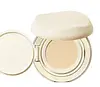 Key Ingredients
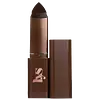
Benefits
Concerns
Ingredients Side-by-side
Panax Ginseng Root Water
Masking

Cyclopentasiloxane
Emollient
CI 77891
Cosmetic ColorantPropanediol
Solvent

Butylene Glycol
Humectant
Isohexadecane
EmollientTrimethylsiloxysilicate
Emollient
Caprylyl Methicone
Skin Conditioning
PEG-10 Dimethicone
Skin Conditioning
Phenyl Trimethicone
Skin Conditioning
Pentylene Glycol
Skin Conditioning
Erythritol
Humectant
Polyglyceryl-2 Isostearate
Emulsifying

Acrylates/Dimethicone Copolymer
Skin Conditioning
Isododecane
EmollientCyclohexasiloxane
Emollient
Mica
Cosmetic ColorantCetyl PEG/PPG-10/1 Dimethicone
Emulsifying
CI 77492
Cosmetic ColorantDimethicone
Emollient
Magnesium Sulfate
Acrylates/Propyl Trimethicone Methacrylate Copolymer
Disteardimonium Hectorite
StabilisingDimethicone/Vinyl Dimethicone Crosspolymer
Skin Conditioning
Phenoxyethanol
Preservative
Polymethylsilsesquioxane
Polyglyceryl-4 Isostearate
Emulsifying
Tocopheryl Acetate
Antioxidant


Pvp
Emulsion StabilisingCalcium Aluminum Borosilicate
1,2-Hexanediol
Skin Conditioning
Triethoxysilylethyl Polydimethylsiloxyethyl Dimethicone
Skin Conditioning
Aluminum Hydroxide
EmollientGlycerin
Humectant
Methyl Gluceth-20
Humectant
Calendula Officinalis Flower Extract
Masking
Water
Skin ConditioningPropylene Carbonate
SolventBisabolol
Antioxidant
Xanthan Gum
EmulsifyingCI 77499
Cosmetic ColorantCI 77491
Cosmetic ColorantEthylhexylglycerin
Skin ConditioningC12-13 Pareth-9
EmulsifyingParfum
Masking


Lauryl Dimethicone
Skin Conditioning
Sodium Hyaluronate
Humectant

Squalane
Emollient
Cyclodextrin
AbsorbentOrchid Extract
Skin ConditioningSodium Myristoyl Glutamate
CleansingCentella Asiatica Extract
Cleansing
Hydroxyacetophenone
Antioxidant
Macrocystis Pyrifera Extract
Skin Conditioning
Sparassis Crispa Extract
Emulsion StabilisingThamnolia Vermicularis Leaf Extract
Skin ConditioningPortulaca Oleracea Extract
Skin Conditioning
Panax Ginseng Root Water, Cyclopentasiloxane, CI 77891, Propanediol, Butylene Glycol, Isohexadecane, Trimethylsiloxysilicate, Caprylyl Methicone, PEG-10 Dimethicone, Phenyl Trimethicone, Pentylene Glycol, Erythritol, Polyglyceryl-2 Isostearate, Acrylates/Dimethicone Copolymer, Isododecane, Cyclohexasiloxane, Mica, Cetyl PEG/PPG-10/1 Dimethicone, CI 77492, Dimethicone, Magnesium Sulfate, Acrylates/Propyl Trimethicone Methacrylate Copolymer, Disteardimonium Hectorite, Dimethicone/Vinyl Dimethicone Crosspolymer, Phenoxyethanol, Polymethylsilsesquioxane, Polyglyceryl-4 Isostearate, Tocopheryl Acetate, Pvp, Calcium Aluminum Borosilicate, 1,2-Hexanediol, Triethoxysilylethyl Polydimethylsiloxyethyl Dimethicone, Aluminum Hydroxide, Glycerin, Methyl Gluceth-20, Calendula Officinalis Flower Extract, Water, Propylene Carbonate, Bisabolol, Xanthan Gum, CI 77499, CI 77491, Ethylhexylglycerin, C12-13 Pareth-9, Parfum, Lauryl Dimethicone, Sodium Hyaluronate, Squalane, Cyclodextrin, Orchid Extract, Sodium Myristoyl Glutamate, Centella Asiatica Extract, Hydroxyacetophenone, Macrocystis Pyrifera Extract, Sparassis Crispa Extract, Thamnolia Vermicularis Leaf Extract, Portulaca Oleracea Extract
Ethylhexyl Palmitate
Emollient
Diisostearyl Malate
EmollientIsononyl Isononanoate
EmollientAluminum Hydroxide
EmollientSynthetic Wax
Abrasive
Ceresin
Emulsion StabilisingPolyisobutene
Sodium Hyaluronate
Humectant
Camellia Sinensis Leaf Extract
Antimicrobial

Carthamus Tinctorius Seed Oil
Masking
Citrullus Lanatus Fruit Extract
Skin Conditioning
Tocopherol
Antioxidant
Rosa Canina Fruit Oil
Emollient
Caprylic/Capric Triglyceride
Masking
Glucomannan
Skin ConditioningSilica
Abrasive
Trihydroxystearin
Skin Conditioning
Phenoxyethanol
Preservative
CI 16035
Cosmetic ColorantCI 77491
Cosmetic ColorantCI 77499
Cosmetic ColorantEthylhexyl Palmitate, Diisostearyl Malate, Isononyl Isononanoate, Aluminum Hydroxide, Synthetic Wax, Ceresin, Polyisobutene, Sodium Hyaluronate, Camellia Sinensis Leaf Extract, Carthamus Tinctorius Seed Oil, Citrullus Lanatus Fruit Extract, Tocopherol, Rosa Canina Fruit Oil, Caprylic/Capric Triglyceride, Glucomannan, Silica, Trihydroxystearin, Phenoxyethanol, CI 16035, CI 77491, CI 77499
Ingredients Explained
These ingredients are found in both products.
Ingredients higher up in an ingredient list are typically present in a larger amount.
Aluminum Hydroxide is a form of aluminum. It can be naturally found in nature as the mineral gibbsite. In cosmetics, Aluminum Hydroxide is used as a colorant, pH adjuster, and absorbent.
As a colorant, Aluminum Hydroxide may add opacity, or reduce the transparency. Aluminum hydroxide is contains both basic and acidic properties.
According to manufacturers, this ingredient is an emollient and humectant. This means it helps hydrate the skin.
In medicine, this ingredient is used to help relieve heartburn and help heal ulcers.
There is currently no credible scientific evidence linking aluminum hydroxide in cosmetics to increased cancer risk.
Major health organizations allow the use of aluminum hydroxide in personal care products and have not flagged it as a carcinogenic risk at typical usage levels.
Learn more about Aluminum HydroxideCi 77491 is also hydrated iron III oxide. It's sole purpose is to give a red/pink hue to products.
Iron III oxides are classified as inorganic chemicals for coloring.
Synthetically created Ci 77491 is considered safer than those naturally found. This is because the synthetically created version may contain less impurities. Iron oxides are generally non-toxic and non-allergenic.
Learn more about CI 77491Ci 77499 is also hydrated iron III oxide. It is created from mixing red and black iron oxides. This helps give shades of darkness to a product.
Iron III oxides are classified as inorganic chemicals for coloring.
Phenoxyethanol is one of the most widely used preservatives in skincare (and for good reason!).
It has a large spectrum of antimicrobial activity and especially effective bacteria, yeast, and mold while only having a weak effect on your skin's natural microbiome.
On a cellular level, it disrupts the cell membranes of microbes by poking holes that make the cell leak. This shuts down the chemical reactions the microbe needs to make energy so it can no longer survive.
Another perk of this ingredient is that it stays functional across a wide pH range (3-10).
You'll often see it paired with boosters like Ethylhexylglycerin; one study showed that a 1:9 ratio of Ethylhexylglycerin to Phenoxyethanol damages bacterial membranes as effectively as doubling the Phenoxyethanol concentration on its own.
Typical use concentrations range from 0.3-1% depending on the formula, and this ingredient is capped at 1% int the EU.
Safety-wise, the fear mongering does not hold up to the evidence. The EU's Scientific Committee on Consumer Safety and FDA consider it safe as a preservative at up to 1%, including for children of all ages.
Adverse systemic effects only showed up in animal studies at exposures roughly 200x higher than what people get from cosmetics. And despite its very widespread use, this ingredient is a rare sensitizer and allergic reactions are uncommon.
Learn more about PhenoxyethanolSodium Hyaluronate is the salt form of hyaluronic acid. It is a long sugar chain that is naturally found in your skin, joints, and connective tissue that maintains hydration and elasticity.
In skincare, it works as a humectant. It pulls water from the environment and deeper layers of skin and binds it to the surface.
Interestingly, the size of the molecule affects its behavior:
Some clinical evidence links low molecular weight versions to improved wrinkle depth, elasticity, anti-inflammatory effects, and barrier repair.
Many serums use a blend of both weights so you can get surface hydration plus longer-lasting and deeper effects.
You'll typically see concentrations between 0.1-2% for this ingredient.
Learn more about Sodium Hyaluronate

