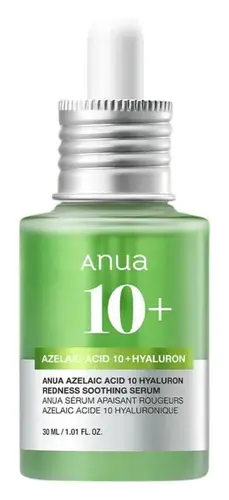
What's inside
What's inside
 Key Ingredients
No key ingredients
Benefits
Concerns
Ingredients Side-by-side
Water
Skin ConditioningPropylene Glycol
Humectant


Isopropyl Palmitate
Emollient


Milk
Skin Conditioning
Glutathione



Acetyl Glycyl Beta-Alanine
Skin ConditioningSodium PCA
Humectant

Sodium Lactate
Buffering
Glycerin
Humectant
Alpha-Glucan Oligosaccharide
Cleansing
Kaolin
Abrasive



Mandelic Acid
Antimicrobial


Oryza Sativa Powder
Glyceryl Stearate
Emollient
Arginine
Masking
Methylpropanediol
SolventSodium Acrylate/Sodium Acryloyldimethyl Taurate Copolymer
Emulsion StabilisingAspartic Acid
Masking
PCA
Humectant
Titanium Dioxide
Cosmetic Colorant

Sodium Carboxymethyl Beta-Glucan
CleansingXanthan Gum
EmulsifyingCaprylic/Capric Triglyceride
Masking
Sodium Benzoate
Masking
Potassium Sorbate
Preservative
Allantoin
Skin Conditioning
Tetrasodium EDTA
Hydrogenated Lecithin
Emulsifying
Polyglyceryl-2 Oleate
Emulsifying
Polyglyceryl-2 Stearate
Emulsifying
Polyhydroxystearic Acid
Emulsifying
Glycine
Buffering
Alanine
Masking
Ceteareth-20
CleansingCetearyl Alcohol
Emollient
PEG-40 Stearate
Emulsifying
Serine
Masking
1,2-Hexanediol
Skin Conditioning
Valine
MaskingIsoleucine
Skin ConditioningProline
Skin Conditioning
Threonine
Sucrose Stearate
EmollientCitric Acid
Buffering
Ceramide NP
Skin Conditioning
Histidine
Humectant
Phenylalanine
Masking
Ceramide AP
Skin Conditioning
Ceramide As
Skin Conditioning
Ceramide Ng
Skin Conditioning
Glycosphingolipids
EmollientWater, Propylene Glycol, Isopropyl Palmitate, Milk, Glutathione, Acetyl Glycyl Beta-Alanine, Sodium PCA, Sodium Lactate, Glycerin, Alpha-Glucan Oligosaccharide, Kaolin, Mandelic Acid, Oryza Sativa Powder, Glyceryl Stearate, Arginine, Methylpropanediol, Sodium Acrylate/Sodium Acryloyldimethyl Taurate Copolymer, Aspartic Acid, PCA, Titanium Dioxide, Sodium Carboxymethyl Beta-Glucan, Xanthan Gum, Caprylic/Capric Triglyceride, Sodium Benzoate, Potassium Sorbate, Allantoin, Tetrasodium EDTA, Hydrogenated Lecithin, Polyglyceryl-2 Oleate, Polyglyceryl-2 Stearate, Polyhydroxystearic Acid, Glycine, Alanine, Ceteareth-20, Cetearyl Alcohol, PEG-40 Stearate, Serine, 1,2-Hexanediol, Valine, Isoleucine, Proline, Threonine, Sucrose Stearate, Citric Acid, Ceramide NP, Histidine, Phenylalanine, Ceramide AP, Ceramide As, Ceramide Ng, Glycosphingolipids
Water
Skin ConditioningCyclopentasiloxane
Emollient
Propylene Glycol
Humectant
Isopropyl Palmitate
Emollient
Dimethicone
Emollient
Betaine
Humectant
Glycerin
Humectant
Aloe Barbadensis Leaf Juice
Skin Conditioning
Sodium Chloride
MaskingCetyl PEG/PPG-10/1 Dimethicone
Emulsifying
Cetearyl Dimethicone Crosspolymer
Hydrolyzed Collagen
Emollient
Methylparaben
Preservative
Parfum
Masking

Propylparaben
Preservative
Glycyrrhiza Glabra Rhizome/Root Extract
Skin ConditioningSpirulina Maxima Extract
SmoothingPotassium Benzoate
Preservative
Potassium Sorbate
Preservative
Phenoxyethanol
Preservative
Citric Acid
Buffering
Water, Cyclopentasiloxane, Propylene Glycol, Isopropyl Palmitate, Dimethicone, Betaine, Glycerin, Aloe Barbadensis Leaf Juice, Sodium Chloride, Cetyl PEG/PPG-10/1 Dimethicone, Cetearyl Dimethicone Crosspolymer, Hydrolyzed Collagen, Methylparaben, Parfum, Propylparaben, Glycyrrhiza Glabra Rhizome/Root Extract, Spirulina Maxima Extract, Potassium Benzoate, Potassium Sorbate, Phenoxyethanol, Citric Acid
Ingredients Explained
These ingredients are found in both products.
Ingredients higher up in an ingredient list are typically present in a larger amount.
Citric Acid is an alpha hydroxy acid (AHA) naturally found in citrus fruits like oranges, lemons, and limes.
Like other AHAs, citric acid can exfoliate skin by breaking down the bonds that hold dead skin cells together. This helps reveal smoother and brighter skin underneath.
However, this exfoliating effect only happens at high concentrations (20%) which can be hard to find in cosmetic products.
Due to this, citric acid is usually included in small amounts as a pH adjuster. This helps keep products slightly more acidic and compatible with skin's natural pH.
In skincare formulas, citric acid can:
While it can provide some skin benefits, research shows lactic acid and glycolic acid are generally more effective and less irritating exfoliants.
Most citric acid used in skincare today is made by fermenting sugars (usually from molasses). This synthetic version is identical to the natural citrus form but easier to stabilize and use in formulations.
Read more about some other popular AHA's here:
Learn more about Citric AcidGlycerin (or glycerol) is a compound naturally found in your skin. It's a powerhouse humectant that pulls water into the stratum corneum.
Topically, glycerin does several things at once:
Your skin makes glycerin on its own (mostly from sebaceous oil breakdown) and shuttles it to your outermost layer of skin, or your epidermis, via aquaporin-3.
Aquaporin-3 is a transporter that is essential for normal skin hydration, elasticity, and repair. Interestingly, mice lacking in AQP3 have dry and less elastic skin that can be fully corrected with glycerin.
This ingredient is non-irritating, plays well with almost every ingredient, and works across all skin types. Typical use is anywhere between 3-10% but can go up to 79% in some leave-on products.
Just know very high concentrations (>40%) can feel tacky in low humidity.
Glycerin is the name for this ingredient in American English. British English uses Glycerol/Glycerine.
Learn more about GlycerinIsopropyl Palmitate is a lightweight emollient made by combining isopropyl alcohol and palmitic acid.
It is an emollient that leaves skin feeling smooth and silky without leaving a greasy feel.
Typical usage concentrations range from 1-5%.
Human testing shows it's non-irritating and non-sensitizing, and the EU Scientific Committee on Consumer Safety (SCCS) has cleared it at very high levels (79% in leave-on products).
The one thing worth knowing about its comedogenic score of 3-4 is to keep it in perspective: these ratings come from old rabbit-ear tests using 100% of pure ingredient and doesn't reflect how it behaves at low levels in a finished product.
Because it is an ester of palmitic acid (C16), it falls into the range that the Malassezia yeast can feed on and is considered not fungal acne safe.
Learn more about Isopropyl PalmitatePotassium Sorbate is a preservative used to prevent yeast and mold in products. It is commonly found in both cosmetic and food products.
This ingredient comes from potassium salt derived from sorbic acid. Sorbic acid is a natural antibiotic and effective against fungus.
Both potassium sorbate and sorbic acid can be found in baked goods, cheeses, dried meats, dried fruit, ice cream, pickles, wine, yogurt, and more.
You'll often find this ingredient used with other preservatives.
Learn more about Potassium SorbatePropylene Glycol is a synthetic, colorless, odorless liquid that has been a staple in cosmetics for decades. It is a skin conditioning agent, humectant, and solvent.
As a humectant, it draw water to the skin to reduce flaking and restore suppleness. It's also a solvent that helps dissolve other actives and keeps formulas stable across temperature changes.
The CIR Expert Panel has confirmed this ingredient to be nontoxic and clinical studies show no sensitization at cosmetic use concentrations.
True allergic reactions are quite rare: a 15-year retrospective study of 6,751 patients found only 0.31% had a positive reaction (and less than half were considered clinically relevant).
It seemed that when sensitization does occur, it's most commonly linked to topical medication (like corticosteroids) and not cosmetics. Allergic contact dermatitis also appears largely limited to individuals with underlying skin conditions.
Overall, propylene glycol is a well-studied ingredient that most people can tolerate without issue.
Learn more about Propylene GlycolWater. It's the most common cosmetic ingredient of all. You'll usually see it at the top of ingredient lists, meaning that it makes up the largest part of the product.
So why is it so popular? Water most often acts as a solvent - this means that it helps dissolve other ingredients into the formulation.
You'll also recognize water as that liquid we all need to stay alive. If you see this, drink a glass of water. Remember to stay hydrated!
Learn more about Water