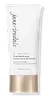
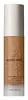
Jane Iredale Dream Tint Tinted Moisturizer SPF 15 Versus Rose Inc Skin Enhance Luminous Skin Tint Serum Foundation

What's inside
What's inside
 Key Ingredients
Benefits
Concerns
Ingredients Side-by-side
Titanium Dioxide 5%
Cosmetic Colorant

Water
Skin ConditioningStearic Acid
Cleansing



Caprylic/Capric Triglyceride
Masking

Octyldodecyl Neopentanoate
EmollientLeuconostoc/Radish Root Ferment Filtrate
Antimicrobial
Lactobacillus Ferment
Skin Conditioning
Glycerin
Humectant
Glyceryl Stearate
Emollient
Simmondsia Chinensis Seed Oil
Emollient
Glyceryl Acrylate/Acrylic Acid Copolymer
HumectantSpirulina Platensis Extract
Skin ProtectingHydrolyzed Rhodophyceae Extract
Carthamus Tinctorius Seed Oil
Masking
Helianthus Annuus Seed Oil
Emollient
Sambucus Nigra Extract
Skin ConditioningBoron Nitride
Absorbent
Mica
Cosmetic ColorantButyrospermum Parkii Butter
Skin Conditioning

Camellia Sinensis Leaf Extract
Antimicrobial




Vitis Vinifera Seed Extract
Antimicrobial
Punica Granatum Extract
AstringentLavandula Angustifolia Oil
Masking



1,2-Hexanediol
Skin Conditioning
Polyhydroxystearic Acid
Emulsifying
Alumina
Abrasive
Linalool
Perfuming
Limonene
Perfuming
Geraniol
Perfuming
CI 77489
Cosmetic ColorantCI 77491
Cosmetic ColorantCI 77492
Cosmetic ColorantCI 77499
Cosmetic ColorantCI 77288
Cosmetic ColorantTitanium Dioxide 5%, Water, Stearic Acid, Caprylic/Capric Triglyceride, Octyldodecyl Neopentanoate, Leuconostoc/Radish Root Ferment Filtrate, Lactobacillus Ferment, Glycerin, Glyceryl Stearate, Simmondsia Chinensis Seed Oil, Glyceryl Acrylate/Acrylic Acid Copolymer, Spirulina Platensis Extract, Hydrolyzed Rhodophyceae Extract, Carthamus Tinctorius Seed Oil, Helianthus Annuus Seed Oil, Sambucus Nigra Extract, Boron Nitride, Mica, Butyrospermum Parkii Butter, Camellia Sinensis Leaf Extract, Vitis Vinifera Seed Extract, Punica Granatum Extract, Lavandula Angustifolia Oil, 1,2-Hexanediol, Polyhydroxystearic Acid, Alumina, Linalool, Limonene, Geraniol, CI 77489, CI 77491, CI 77492, CI 77499, CI 77288
Water
Skin ConditioningHexyl Laurate
Emollient
Glycerin
Humectant
Pentylene Glycol
Skin Conditioning
Octyldodecanol
Emollient
Squalane
Emollient
Tamarindus Indica Seed Gum
Emulsion Stabilising
Jasminum Sambac Leaf Cell Extract
Masking
Mangostin
Skin ConditioningAcetyl Tetrapeptide-2
Skin Conditioning
Sodium Hyaluronate
Humectant
Tocopherol
Antioxidant

Alcaligenes Polysaccharides
EmollientDisteardimonium Hectorite
StabilisingAmodimethicone

Carbomer
Emulsion StabilisingMagnesium Chloride
Trisodium Ethylenediamine Disuccinate
ChelatingSodium Lauroyl Glutamate
SurfactantHelianthus Annuus Seed Oil
Emollient
Propylene Carbonate
SolventAluminum Hydroxide
EmollientGlucose
Humectant
Lysine
Skin ConditioningCaprylyl Glycol
Emollient
Benzyl Alcohol
Perfuming


Sodium Hydroxide
BufferingCitric Acid
Buffering
Mica
Cosmetic ColorantCI 77891
Cosmetic ColorantIron Oxides
Water, Hexyl Laurate, Glycerin, Pentylene Glycol, Octyldodecanol, Squalane, Tamarindus Indica Seed Gum, Jasminum Sambac Leaf Cell Extract, Mangostin, Acetyl Tetrapeptide-2, Sodium Hyaluronate, Tocopherol, Alcaligenes Polysaccharides, Disteardimonium Hectorite, Amodimethicone, Carbomer, Magnesium Chloride, Trisodium Ethylenediamine Disuccinate, Sodium Lauroyl Glutamate, Helianthus Annuus Seed Oil, Propylene Carbonate, Aluminum Hydroxide, Glucose, Lysine, Caprylyl Glycol, Benzyl Alcohol, Sodium Hydroxide, Citric Acid, Mica, CI 77891, Iron Oxides
Ingredients Explained
These ingredients are found in both products.
Ingredients higher up in an ingredient list are typically present in a larger amount.
Glycerin (or glycerol) is a compound naturally found in your skin. It's a powerhouse humectant that pulls water into the stratum corneum.
Topically, glycerin does several things at once:
Your skin makes glycerin on its own (mostly from sebaceous oil breakdown) and shuttles it to your outermost layer of skin, or your epidermis, via aquaporin-3.
Aquaporin-3 is a transporter that is essential for normal skin hydration, elasticity, and repair. Interestingly, mice lacking in AQP3 have dry and less elastic skin that can be fully corrected with glycerin.
This ingredient is non-irritating, plays well with almost every ingredient, and works across all skin types. Typical use is anywhere between 3-10% but can go up to 79% in some leave-on products.
Just know very high concentrations (>40%) can feel tacky in low humidity.
Glycerin is the name for this ingredient in American English. British English uses Glycerol/Glycerine.
Learn more about GlycerinHelianthus Annuus Seed Oil is a plant oil derived from the seeds of a sunflower.
It is rich in fatty acids, primarily linoleic acid and oleic acid. This gives it emollient and skin conditioning properties.
The reason this ingredient is so effective is because it forms a thin film on the skin that reduces transepidermal water loss (TEWL) while supplying linoleic acid to the stratum corneum to improve barrier strength.
The high linoleic acid content is particularly noteworthy for acne-prone skin.
Research suggests that acne-prone skin tends to be deficient in linoleic acid in sebum. Topical application may help replenish this to support a healthier follicular environment and less comedone-promoting sebum.
One randomized study found sunflower seed oil preserved skin barrier integrity in adult volunteers with and without atopic dermatitis (outperforming olive oil).
This ingredient is well-studied, gentle, and an effective emollient suitable for most skin types.
On fungal acne: This ingredient may not be Fungal acne (Malassezia folliculitis) safe. This is because it contains fatty acids with carbon chain lengths in the C11-C24 range.
Learn more about Helianthus Annuus Seed OilMica is a naturally occurring mineral used to add shimmer and color in cosmetics. It can also help improve the texture of a product or give it an opaque, white/silver color.
Serecite is the name for very fine but ragged grains of mica.
This ingredient is often coated with metal oxides like titanium dioxide. Trace amounts of heavy metals may be found in mica, but these metals are not harmful in our personal products.
Mica has been used since prehistoric times throughout the world. Ancient Egyptian, Indian, Greek, Roman, Aztec, and Chinese civilizations have used mica.
Learn more about MicaWater. It's the most common cosmetic ingredient of all. You'll usually see it at the top of ingredient lists, meaning that it makes up the largest part of the product.
So why is it so popular? Water most often acts as a solvent - this means that it helps dissolve other ingredients into the formulation.
You'll also recognize water as that liquid we all need to stay alive. If you see this, drink a glass of water. Remember to stay hydrated!
Learn more about Water

