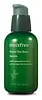
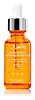
innisfree Green Tea Seed Intensive Hydrating Serum Versus JUMISO All Day Vitamin Brightening & Balancing Facial Serum
This hydrating serum is formulated around Camellia Sinensis Seed Oil and Camellia Sinensis Leaf Extract to hydrate skin and strengthen the skin barrier.
This brightening serum is formulated around Hippophae Rhamnoides Fruit Extract and Niacinamide to brighten dull-looking skin and calm redness.

What's inside
What's inside
 Key Ingredients
Benefits
Concerns
Ingredients Side-by-side
Water
Skin ConditioningPropanediol
Solvent

Alcohol
Antimicrobial




Glycerin
Humectant
Betaine
Humectant
1,2-Hexanediol
Skin Conditioning
Saccharide Isomerate
Humectant
Camellia Sinensis Seed Oil
Humectant

Cetearyl Olivate
Hydrogenated Lecithin
Emulsifying
Sorbitan Olivate
Emulsifying
Acrylates/C10-30 Alkyl Acrylate Crosspolymer
Emulsion StabilisingParfum
Masking

Panthenol
Skin Conditioning
Hydroxyethyl Acrylate/Sodium Acryloyldimethyl Taurate Copolymer
Emulsion StabilisingTromethamine
BufferingCeratonia Siliqua Gum
EmollientEthylhexylglycerin
Skin ConditioningDisodium EDTA
ChelatingCamellia Sinensis Leaf Extract
Antimicrobial




Dextrin
AbsorbentTheobroma Cacao Extract
Skin ConditioningSorbitan Isostearate
Emulsifying
Sodium Citrate
BufferingCitric Acid
Buffering
Sucrose
Humectant
Water, Propanediol, Alcohol, Glycerin, Betaine, 1,2-Hexanediol, Saccharide Isomerate, Camellia Sinensis Seed Oil, Cetearyl Olivate, Hydrogenated Lecithin, Sorbitan Olivate, Acrylates/C10-30 Alkyl Acrylate Crosspolymer, Parfum, Panthenol, Hydroxyethyl Acrylate/Sodium Acryloyldimethyl Taurate Copolymer, Tromethamine, Ceratonia Siliqua Gum, Ethylhexylglycerin, Disodium EDTA, Camellia Sinensis Leaf Extract, Dextrin, Theobroma Cacao Extract, Sorbitan Isostearate, Sodium Citrate, Citric Acid, Sucrose
Hippophae Rhamnoides Fruit Extract
Skin Conditioning
Methylpropanediol
SolventGlycerin
Humectant
Niacinamide
Smoothing



Dipropylene Glycol
HumectantSodium Hyaluronate
Humectant
PEG-40 Hydrogenated Castor Oil
Emulsifying
Centella Asiatica Extract
Cleansing
Polygonum Cuspidatum Root Extract
Antioxidant
Scutellaria Baicalensis Root Extract
Astringent
Camellia Sinensis Leaf Extract
Antimicrobial
Glycyrrhiza Glabra Root Extract
Bleaching
Chamomilla Recutita Flower Extract
Masking
Rosmarinus Officinalis Leaf Extract
AntimicrobialPanthenol
Skin Conditioning
Betaine
Humectant
Ascorbic Acid
Antioxidant
Hydroxyacetophenone
Antioxidant
Pentylene Glycol
Skin Conditioning
Caprylyl Glycol
Emollient
Butylene Glycol
Humectant
Chlorphenesin
Antimicrobial
Carbomer
Emulsion StabilisingArginine
Masking
Disodium EDTA
ChelatingPelargonium Graveolens Flower Oil
Masking

Cymbopogon Martini Oil
Masking
Cananga Odorata Flower Oil
Masking
Citrus Aurantium Bergamia Peel Oil
Perfuming
Rosa Damascena Flower Oil
Masking
Hippophae Rhamnoides Fruit Extract, Methylpropanediol, Glycerin, Niacinamide, Dipropylene Glycol, Sodium Hyaluronate, PEG-40 Hydrogenated Castor Oil, Centella Asiatica Extract, Polygonum Cuspidatum Root Extract, Scutellaria Baicalensis Root Extract, Camellia Sinensis Leaf Extract, Glycyrrhiza Glabra Root Extract, Chamomilla Recutita Flower Extract, Rosmarinus Officinalis Leaf Extract, Panthenol, Betaine, Ascorbic Acid, Hydroxyacetophenone, Pentylene Glycol, Caprylyl Glycol, Butylene Glycol, Chlorphenesin, Carbomer, Arginine, Disodium EDTA, Pelargonium Graveolens Flower Oil, Cymbopogon Martini Oil, Cananga Odorata Flower Oil, Citrus Aurantium Bergamia Peel Oil, Rosa Damascena Flower Oil
Reviews
Ingredients Explained
These ingredients are found in both products.
Ingredients higher up in an ingredient list are typically present in a larger amount.
Betaine is a humectant. Like hyaluronic acid, it helps attract and retain moisture in the skin. It’s known for being gentle and for helping the skin maintain balanced hydration.
Betaine is mainly used to improve hydration and support calmer skin. It helps skin cells regulate water balance because it functions as an osmolyte.
Some studies suggest betaine may support making skin tone more even.
Fun fact: Betaine naturally exists in the skin and the body. In cosmetic products, it can be either plant-derived (most commonly from sugar beets) or synthetically produced for consistency and stability.
Betaine is also known as trimethylglycine.
Learn more about BetaineCamellia Sinensis Leaf Extract (tea extract) is one of the most well-researched plant extracts in skincare with an impressive resume.
Black tea, green tea, and oolong tea are all harvested from the Camellia Sinensis plant.
Studies show green tea extract and its catechins (like epigallocatechin gallate (EGCG)) help your skin cells product energy more efficiently and reducing the number of free-radicals that can damage your skin from the inside.
In lab-grown skin models, this translated to younger, healthier, and stronger skin.
There's also good sun protection data; researchers saw less DNA damage and redness on human skin when green tea was applied before UVB exposure. And the more they applied, the better the protection.
Needless to say, this ingredient shouldn't replace your sunscreen. But it is a great supportive ingredient that you can already find in many sunscreens and antioxidant serums.
A 2009 study found a 2% green tea lotion was effective for mild-to-moderate acne thanks to its anti-inflammatory and mild antimicrobial activity.
The quality of the extract matters a lot here:
Good extracts contain 50-90% catechins while lower quality ones are mostly there for marketing. We recommend reaching out to the brand if you have questions about the quality or source of their ingredients.
Human Repeated Insult Patch Testing showed no irritation or sensitization at use concentrations (0.86% in leave-on products and up to 30% as leaf water).
Learn more about Camellia Sinensis Leaf ExtractDisodium EDTA is a chelating agent. It grabs onto and deactivates metal ions that sneak into your products from water, packaging, or air.
This ingredient mainly works behind the scenes and helps with:
On top of that, this ingredient can counteract the effects of hard water by binding to the minerals in it.
One thing worth knowing is that Disodium EDTA has been shown to be a mild penetration enhancer. It can help other ingredients absorb into skin more effectively which can be a double-edged sword (great for actives, but can also make the active too strong if you have sensitive skin).
Clinical patch testing showed no significant skin irritation at typical use concentrations and minimal dermal absorption.
You'll most likely see this ingredient near the end of an ingredient list. It's typically found in concentrations less than 1%.
Learn more about Disodium EDTAGlycerin (or glycerol) is a compound naturally found in your skin. It's a powerhouse humectant that pulls water into the stratum corneum.
Topically, glycerin does several things at once:
Your skin makes glycerin on its own (mostly from sebaceous oil breakdown) and shuttles it to your outermost layer of skin, or your epidermis, via aquaporin-3.
Aquaporin-3 is a transporter that is essential for normal skin hydration, elasticity, and repair. Interestingly, mice lacking in AQP3 have dry and less elastic skin that can be fully corrected with glycerin.
This ingredient is non-irritating, plays well with almost every ingredient, and works across all skin types. Typical use is anywhere between 3-10% but can go up to 79% in some leave-on products.
Just know very high concentrations (>40%) can feel tacky in low humidity.
Glycerin is the name for this ingredient in American English. British English uses Glycerol/Glycerine.
Learn more about GlycerinPanthenol is a common ingredient that helps hydrate and soothe the skin. It is found naturally in our skin and hair.
There are two forms of panthenol: D and L.
D-panthenol is also known as dexpanthenol. Most cosmetics use dexpanthenol or a mixture of D and L-panthenol.
Panthenol is famous due to its ability to go deeper into the skin's layers. Using this ingredient has numerous pros (and no cons):
Like hyaluronic acid, panthenol is a humectant. Humectants are able to bind and hold large amounts of water to keep skin hydrated.
This ingredient works well for wound healing. It works by increasing tissue in the wound and helps close open wounds.
Once oxidized, panthenol converts to pantothenic acid. Panthothenic acid is found in all living cells.
This ingredient is also referred to as pro-vitamin B5.
Learn more about Panthenol

