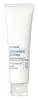
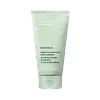
This mild foaming cleanser is made to cleanse without leaving your skin tight or dry.

What's inside
What's inside
 Key Ingredients
Benefits
Concerns
Ingredients Side-by-side
Water
Skin ConditioningGlycerin
Humectant


Sodium Cocoyl Isethionate
Cleansing
Glycol Distearate
Emollient

Disodium Cocoamphodiacetate
CleansingCaprylyl Glycol
Emollient
Sodium Methyl Cocoyl Taurate
Cleansing
Lauric Acid
Cleansing


Sodium Chloride
MaskingArachidyl Alcohol
Emollient
Stearyl Alcohol
Emollient
Behenyl Alcohol
Emollient
Hydroxypropyl Starch Phosphate
Arachidyl Glucoside
EmulsifyingCitric Acid
Buffering

Ethylhexylglycerin
Skin ConditioningAllantoin
Skin Conditioning

Pelargonium Graveolens Oil
Masking




Salix Alba Bark Extract
Astringent

Butylene Glycol
Humectant
Tetrasodium EDTA
ChelatingGlucose
Humectant
Panax Ginseng Root Extract
Emollient
CI 77266
Cosmetic ColorantGlycine Soja Oil
Emollient
Ulmus Davidiana Root Extract
Skin Conditioning
Angelica Archangelica Root Extract
Masking
Nelumbo Nucifera Root Extract
Skin ConditioningCeramide NP
Skin Conditioning

Phytosphingosine
Skin Conditioning
Hydrogenated Lecithin
Emulsifying
Tocopherol
Antioxidant

Canola Oil
Emollient
Rosmarinus Officinalis Leaf Extract
AntimicrobialWater, Glycerin, Sodium Cocoyl Isethionate, Glycol Distearate, Disodium Cocoamphodiacetate, Caprylyl Glycol, Sodium Methyl Cocoyl Taurate, Lauric Acid, Sodium Chloride, Arachidyl Alcohol, Stearyl Alcohol, Behenyl Alcohol, Hydroxypropyl Starch Phosphate, Arachidyl Glucoside, Citric Acid, Ethylhexylglycerin, Allantoin, Pelargonium Graveolens Oil, Salix Alba Bark Extract, Butylene Glycol, Tetrasodium EDTA, Glucose, Panax Ginseng Root Extract, CI 77266, Glycine Soja Oil, Ulmus Davidiana Root Extract, Angelica Archangelica Root Extract, Nelumbo Nucifera Root Extract, Ceramide NP, Phytosphingosine, Hydrogenated Lecithin, Tocopherol, Canola Oil, Rosmarinus Officinalis Leaf Extract
Water
Skin ConditioningGlycerin
Humectant
Myristic Acid
Cleansing
Lauric Acid
Cleansing
Potassium Hydroxide
BufferingStearic Acid
Cleansing
Glyceryl Stearate
Emollient
Glycol Distearate
Emollient
Palmitic Acid
Emollient
Lauryl Hydroxysultaine
CleansingPolyquaternium-22
Lauryl Glucoside
CleansingPropanediol
Solvent
Parfum
Masking
Potassium Cocoyl Glycinate
Surfactant
1,2-Hexanediol
Skin Conditioning
Hydrolyzed Corn Starch
HumectantPinus Densiflora Leaf Extract
Antimicrobial
Disodium EDTA
ChelatingButylene Glycol
Humectant
Arginine
Masking
Aspartic Acid
Masking
Glutamic Acid
Humectant
Ethylhexylglycerin
Skin ConditioningCamellia Sinensis Leaf Extract
Antimicrobial
Acrylates/Stearyl Methacrylate Copolymer
Emulsion StabilisingTremella Fuciformis Sporocarp Extract
Antioxidant
Tetrasodium EDTA
ChelatingHyaluronic Acid
Humectant
Xanthan Gum
EmulsifyingCeramide NP
Skin Conditioning
Acorus Calamus Root Extract
Perfuming
Water, Glycerin, Myristic Acid, Lauric Acid, Potassium Hydroxide, Stearic Acid, Glyceryl Stearate, Glycol Distearate, Palmitic Acid, Lauryl Hydroxysultaine, Polyquaternium-22, Lauryl Glucoside, Propanediol, Parfum, Potassium Cocoyl Glycinate, 1,2-Hexanediol, Hydrolyzed Corn Starch, Pinus Densiflora Leaf Extract, Disodium EDTA, Butylene Glycol, Arginine, Aspartic Acid, Glutamic Acid, Ethylhexylglycerin, Camellia Sinensis Leaf Extract, Acrylates/Stearyl Methacrylate Copolymer, Tremella Fuciformis Sporocarp Extract, Tetrasodium EDTA, Hyaluronic Acid, Xanthan Gum, Ceramide NP, Acorus Calamus Root Extract
Reviews
Ingredients Explained
These ingredients are found in both products.
Ingredients higher up in an ingredient list are typically present in a larger amount.
Butylene Glycol (or BG) is used within cosmetic products for a few different reasons:
Overall, Butylene Glycol is a safe and well-rounded ingredient that works well with other ingredients.
Though this ingredient works well with most skin types, some people with sensitive skin may experience a reaction such as allergic rashes, closed comedones, or itchiness.
Learn more about Butylene GlycolCeramide NP (formerly known as Ceramide 3) is one of the skin's naturally occurring lipids.
Since ceramides are the major lipid components of the skin, they are crucial for maintaining skin barrier and hydration. Ceramide NP most closely mirrors the dominant kind in human skin amongst ceramide subtypes.
This ceramide works by slotting into gaps within the stratum corneum's lipid matrix to limit trans-epidermal water loss (TEWL) and shield the skin against external irritants.
A study with 312 patients found that using a ceramide-containing routine for 4 weeks reduced the severity of atopic dermatitis by over 61%.
Another clinical study in subjects aged 60 and older found that a ceramide body wash and moisturizer improved skin dryness and itchy skin in 15 days.
Overall, ceramides are considered non-irritating and safety tests have found little to no observable adverse effects from using this ingredient.
Ceramide NP is usually sourced from plants (like soybean or rice bran), or produced synthetically.
Learn more about Ceramide NPEthylhexylglycerin is created from glycerin. It is a multitasker ingredient that:
The CIR Expert Panel found minimal skin absorption or sensitization of any kind in a safety assessment. Though this ingredient is considered well-tolerated, a small number of cases of allergic dermatitis have been published since 2002. Just be sure to patch test if you are unsure.
Industry-reported use ranges from 8% in rinse-off products and 2% in leave-on formulations.
Learn more about EthylhexylglycerinGlycerin (or glycerol) is a compound naturally found in your skin. It's a powerhouse humectant that pulls water into the stratum corneum.
Topically, glycerin does several things at once:
Your skin makes glycerin on its own (mostly from sebaceous oil breakdown) and shuttles it to your outermost layer of skin, or your epidermis, via aquaporin-3.
Aquaporin-3 is a transporter that is essential for normal skin hydration, elasticity, and repair. Interestingly, mice lacking in AQP3 have dry and less elastic skin that can be fully corrected with glycerin.
This ingredient is non-irritating, plays well with almost every ingredient, and works across all skin types. Typical use is anywhere between 3-10% but can go up to 79% in some leave-on products.
Just know very high concentrations (>40%) can feel tacky in low humidity.
Glycerin is the name for this ingredient in American English. British English uses Glycerol/Glycerine.
Learn more about GlycerinGlycol Distearate is an emulsifier and emollient that adds a "pearly" appearance to formulations.
That lustrous look you see in many shampoos is due to this ingredient: when cooled, it crystallizes into small platelets that reflect light to give products that rich, shimmering look.
This ingredient is considered safe at present practices of use and concentration and repeated insult patch test with 50% Glycol Distearate on 125 subjects found no evidence of skin irritation, hypersensitivity, or acute toxicity.
Typical use concentrations range from 0.1-10%.
Because it's an ester of stearic acid, it falls into the range that Malassezia likes to metabolize. This ingredient may not be fungal acne safe.
Learn more about Glycol DistearateLauric Acid is a saturated fatty acid naturally found in coconut oil, palm kernel oil, and even breast milk.
In cosmetics, it is an:
Lab studies have found that lauric acid is surprisingly good at killing acne-causing bacteria. However, these tests were done on bacteria in a petri dish and not on real skin, so we can't say for certain it works the same in a formulation on a real face.
The comedogenic rating of 4 comes from the 1972 rabbit ear model using undiluted ingredients. Comedogenicity is highly individual and one comedogenic ingredient cannot predict how a formula will behave on skin.
This ingredient is not fungal acne safe and research has confirmed Malassezia can use it as a food source. Even though "fungal acne" has the word "acne" in it, they are completely different. Regular acne is driven by a bacteria called Cutibacterium acnes, clogged pores, and excess oil. Fungal acne isn't really acne; it's caused by an overgrowth of a yeast called Malassezia that already lives on everyone's skin. Because one is bacterial and the other is fungal, they respond to different ingredients.
Learn more about Lauric AcidTetrasodium EDTA is the salt formed from neutralizing ethylenediamine tetraacetic acid with sodium hydroxide. It is a chelating agent and used to prevent metal ions from binding to other ingredients. This helps keep the product and ingredients stable.
Tetrasodium EDTA comes as a white solid and is soluble in water.
Water. It's the most common cosmetic ingredient of all. You'll usually see it at the top of ingredient lists, meaning that it makes up the largest part of the product.
So why is it so popular? Water most often acts as a solvent - this means that it helps dissolve other ingredients into the formulation.
You'll also recognize water as that liquid we all need to stay alive. If you see this, drink a glass of water. Remember to stay hydrated!
Learn more about Water

