
What's inside
What's inside
 Key Ingredients
Benefits
Concerns
No concerns
Ingredients Side-by-side
Water
Skin ConditioningPropanediol
Solvent

Glycerin
Humectant
Caprylic/Capric Triglyceride
Masking
Ethylhexyl Stearate
Emollient


1,2-Hexanediol
Skin Conditioning
Ammonium Acryloyldimethyltaurate/Vp Copolymer
Polyglyceryl-3 Methylglucose Distearate
Emulsifying
Cetearyl Olivate
Sorbitan Olivate
Emulsifying
Carbomer
Emulsion StabilisingTromethamine
BufferingGlyceryl Caprylate
EmollientEthylhexylglycerin
Skin ConditioningButylene Glycol
Humectant
Panax Ginseng Root Water
Masking

Scutellaria Baicalensis Root Extract
Astringent
Ceramide NP
Skin Conditioning

Betaine
Humectant
Prunus Mume Fruit Extract
Humectant
Glycine Max Oil
Emollient
Hydrogenated Lecithin
Emulsifying
Squalane
Emollient
Madecassoside
Antioxidant

Polyglyceryl-10 Pentastearate
Skin Conditioning
Phytosphingosine
Skin Conditioning
Pentylene Glycol
Skin Conditioning
Dipotassium Glycyrrhizate
Humectant
Canola Oil
Emollient
Rosmarinus Officinalis Leaf Extract
AntimicrobialTocopherol
Antioxidant

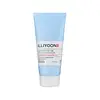
Water, Propanediol, Glycerin, Caprylic/Capric Triglyceride, Ethylhexyl Stearate, 1,2-Hexanediol, Ammonium Acryloyldimethyltaurate/Vp Copolymer, Polyglyceryl-3 Methylglucose Distearate, Cetearyl Olivate, Sorbitan Olivate, Carbomer, Tromethamine, Glyceryl Caprylate, Ethylhexylglycerin, Butylene Glycol, Panax Ginseng Root Water, Scutellaria Baicalensis Root Extract, Ceramide NP, Betaine, Prunus Mume Fruit Extract, Glycine Max Oil, Hydrogenated Lecithin, Squalane, Madecassoside, Polyglyceryl-10 Pentastearate, Phytosphingosine, Pentylene Glycol, Dipotassium Glycyrrhizate, Canola Oil, Rosmarinus Officinalis Leaf Extract, Tocopherol
Snail Secretion Filtrate
Skin Conditioning
Butylene Glycol
Humectant
Cyclopentasiloxane
Emollient
Glycerin
Humectant
Bis-PEG-18 Methyl Ether Dimethyl Silane
EmollientPolysorbate 20
Emulsifying
Sodium Hyaluronate
Humectant
Carbomer
Emulsion StabilisingGlycosyl Trehalose
Emulsion StabilisingHydrogenated Starch Hydrolysate
HumectantTriethanolamine
BufferingDimethicone/Vinyl Dimethicone Crosspolymer
Skin Conditioning
Dimethicone
Emollient
Hydroxyethylcellulose
Emulsion StabilisingCaprylyl Glycol
Emollient
Ethylhexylglycerin
Skin ConditioningSodium Polyacrylate
Absorbent
Centella Asiatica Extract
Cleansing
Portulaca Oleracea Extract
Skin Conditioning
Camellia Sinensis Leaf Extract
Antimicrobial

Nelumbo Nucifera Flower Extract
Skin ConditioningBetula Platyphylla Japonica Juice
Skin Conditioning
Tropolone
Skin ConditioningCopper Tripeptide-1
Skin Conditioning
Allantoin
Skin Conditioning
Panthenol
Skin Conditioning
Olea Europaea Fruit Oil
Masking
Helianthus Annuus Seed Oil
Emollient
Palmitoyl Pentapeptide-4
Skin Conditioning
Adenosine
Skin Conditioning
Disodium EDTA
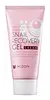
Snail Secretion Filtrate, Butylene Glycol, Cyclopentasiloxane, Glycerin, Bis-PEG-18 Methyl Ether Dimethyl Silane, Polysorbate 20, Sodium Hyaluronate, Carbomer, Glycosyl Trehalose, Hydrogenated Starch Hydrolysate, Triethanolamine, Dimethicone/Vinyl Dimethicone Crosspolymer, Dimethicone, Hydroxyethylcellulose, Caprylyl Glycol, Ethylhexylglycerin, Sodium Polyacrylate, Centella Asiatica Extract, Portulaca Oleracea Extract, Camellia Sinensis Leaf Extract, Nelumbo Nucifera Flower Extract, Betula Platyphylla Japonica Juice, Tropolone, Copper Tripeptide-1, Allantoin, Panthenol, Olea Europaea Fruit Oil, Helianthus Annuus Seed Oil, Palmitoyl Pentapeptide-4, Adenosine, Disodium EDTA
Reviews
Ingredients Explained
These ingredients are found in both products.
Ingredients higher up in an ingredient list are typically present in a larger amount.
Butylene Glycol (or BG) is used within cosmetic products for a few different reasons:
Overall, Butylene Glycol is a safe and well-rounded ingredient that works well with other ingredients.
Though this ingredient works well with most skin types, some people with sensitive skin may experience a reaction such as allergic rashes, closed comedones, or itchiness.
Learn more about Butylene GlycolCarbomer is a high-molecular weight polymer of acrylic acid. It is used to form gels and thicken formulas.
Due to its large molecular size, carbomer has minimal skin penetration and is considered an inert ingredient.
A high amount of carbomer can cause pilling or balling up of products. Don't worry, most products contain 1% or less of carbomer.
Learn more about CarbomerEthylhexylglycerin is created from glycerin. It is a multitasker ingredient that:
The CIR Expert Panel found minimal skin absorption or sensitization of any kind in a safety assessment. Though this ingredient is considered well-tolerated, a small number of cases of allergic dermatitis have been published since 2002. Just be sure to patch test if you are unsure.
Industry-reported use ranges from 8% in rinse-off products and 2% in leave-on formulations.
Learn more about EthylhexylglycerinGlycerin (or glycerol) is a compound naturally found in your skin. It's a powerhouse humectant that pulls water into the stratum corneum.
Topically, glycerin does several things at once:
Your skin makes glycerin on its own (mostly from sebaceous oil breakdown) and shuttles it to your outermost layer of skin, or your epidermis, via aquaporin-3.
Aquaporin-3 is a transporter that is essential for normal skin hydration, elasticity, and repair. Interestingly, mice lacking in AQP3 have dry and less elastic skin that can be fully corrected with glycerin.
This ingredient is non-irritating, plays well with almost every ingredient, and works across all skin types. Typical use is anywhere between 3-10% but can go up to 79% in some leave-on products.
Just know very high concentrations (>40%) can feel tacky in low humidity.
Glycerin is the name for this ingredient in American English. British English uses Glycerol/Glycerine.
Learn more about Glycerin
