This barrier-repair moisturizer is formulated around Ceramide NP and Madecassoside to strengthen the skin barrier and calm redness.


What's inside
What's inside
 Key Ingredients
Benefits
Concerns
Ingredients Side-by-side
Water
Skin ConditioningPropanediol
Solvent

Glycerin
Humectant
Caprylic/Capric Triglyceride
Masking
Ethylhexyl Stearate
Emollient




1,2-Hexanediol
Skin Conditioning
Ammonium Acryloyldimethyltaurate/Vp Copolymer
Polyglyceryl-3 Methylglucose Distearate
Emulsifying
Cetearyl Olivate
Sorbitan Olivate
Emulsifying
Carbomer
Emulsion StabilisingTromethamine
BufferingGlyceryl Caprylate
EmollientEthylhexylglycerin
Skin ConditioningButylene Glycol
Humectant
Panax Ginseng Root Water
Masking

Scutellaria Baicalensis Root Extract
Astringent
Ceramide NP
Skin Conditioning

Betaine
Humectant
Prunus Mume Fruit Extract
Humectant
Glycine Max Oil
Emollient
Hydrogenated Lecithin
Emulsifying
Squalane
Emollient
Madecassoside
Antioxidant

Polyglyceryl-10 Pentastearate
Skin Conditioning
Phytosphingosine
Skin Conditioning
Pentylene Glycol
Skin Conditioning
Dipotassium Glycyrrhizate
Humectant
Canola Oil
Emollient
Rosmarinus Officinalis Leaf Extract
AntimicrobialTocopherol
Antioxidant

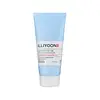
Water, Propanediol, Glycerin, Caprylic/Capric Triglyceride, Ethylhexyl Stearate, 1,2-Hexanediol, Ammonium Acryloyldimethyltaurate/Vp Copolymer, Polyglyceryl-3 Methylglucose Distearate, Cetearyl Olivate, Sorbitan Olivate, Carbomer, Tromethamine, Glyceryl Caprylate, Ethylhexylglycerin, Butylene Glycol, Panax Ginseng Root Water, Scutellaria Baicalensis Root Extract, Ceramide NP, Betaine, Prunus Mume Fruit Extract, Glycine Max Oil, Hydrogenated Lecithin, Squalane, Madecassoside, Polyglyceryl-10 Pentastearate, Phytosphingosine, Pentylene Glycol, Dipotassium Glycyrrhizate, Canola Oil, Rosmarinus Officinalis Leaf Extract, Tocopherol
Water
Skin ConditioningDimethicone
Emollient
Cyclopentasiloxane
Emollient
Isododecane
EmollientAlcohol Denat.
Antimicrobial


Ethylhexyl Methoxycinnamate
UV Absorber

Caprylyl Methicone
Skin Conditioning
Methyl Methacrylate Crosspolymer

Trimethylsiloxysilicate
Emollient
Butylene Glycol
Humectant
Hydrogenated Polyisobutene
EmollientNiacinamide
Smoothing


PEG-9 Polydimethylsiloxyethyl Dimethicone
Emulsifying
Titanium Dioxide
Cosmetic Colorant
Dicaprylyl Carbonate
EmollientMagnesium Sulfate
Synthetic Fluorphlogopite
Trehalose
Humectant
Zinc Gluconate
Skin Conditioning
Phenoxyethanol
Preservative
Pentylene Glycol
Skin Conditioning
Ethylhexylglycerin
Skin ConditioningTriethoxycaprylylsilane
Disteardimonium Hectorite
StabilisingAluminum Hydroxide
EmollientPropylene Carbonate
SolventAllantoin
Skin Conditioning
BHT
Antioxidant
Hydrated Silica
Abrasive
Hydrogenated Lecithin
Emulsifying
Tocopherol
Antioxidant
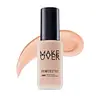
Water, Dimethicone, Cyclopentasiloxane, Isododecane, Alcohol Denat., Ethylhexyl Methoxycinnamate, Caprylyl Methicone, Methyl Methacrylate Crosspolymer, Trimethylsiloxysilicate, Butylene Glycol, Hydrogenated Polyisobutene, Niacinamide, PEG-9 Polydimethylsiloxyethyl Dimethicone, Titanium Dioxide, Dicaprylyl Carbonate, Magnesium Sulfate, Synthetic Fluorphlogopite, Trehalose, Zinc Gluconate, Phenoxyethanol, Pentylene Glycol, Ethylhexylglycerin, Triethoxycaprylylsilane, Disteardimonium Hectorite, Aluminum Hydroxide, Propylene Carbonate, Allantoin, BHT, Hydrated Silica, Hydrogenated Lecithin, Tocopherol
Reviews
Ingredients Explained
These ingredients are found in both products.
Ingredients higher up in an ingredient list are typically present in a larger amount.
Butylene Glycol (or BG) is used within cosmetic products for a few different reasons:
Overall, Butylene Glycol is a safe and well-rounded ingredient that works well with other ingredients.
Though this ingredient works well with most skin types, some people with sensitive skin may experience a reaction such as allergic rashes, closed comedones, or itchiness.
Learn more about Butylene GlycolEthylhexylglycerin is created from glycerin. It is a multitasker ingredient that:
The CIR Expert Panel found minimal skin absorption or sensitization of any kind in a safety assessment. Though this ingredient is considered well-tolerated, a small number of cases of allergic dermatitis have been published since 2002. Just be sure to patch test if you are unsure.
Industry-reported use ranges from 8% in rinse-off products and 2% in leave-on formulations.
Learn more about EthylhexylglycerinHydrogenated Lecithin is a more stable version of lecithin.
It's made by taking lecithin (a phospholipid commonly found in soybeans and egg yolks) and hydrogenating it. This just means the unsaturated fatty acids are turned into saturated ones so they don't go bad as easily.
This ingredient is an emollient, emulsifier, and penetration enhancer. As an emollient, it helps soften and hydrate skin by trapping moisture within. As an emulsifier, it prevents oil and water ingredients from separating.
Hydrogenated Lecithin can form tiny spherical structures made of phospholipid bilayers called liposomes. These liposomes are able to capture compounds inside their structure and deliver them through the skin barrier.
Because phospholipids are a natural component of our cell membranes, this ingredient is inherently compatible with skin.
A 2021 study found lecithin-based surfactants were less harsh and more tolerable comared to Sodium Lauryl Sulfate (SLS).
Learn more about Hydrogenated LecithinPentylene Glycol (1,2-pentanediol) is a multitasking little diol with three main roles in a formula:
Research on alkanediols (the family pentylene glycol belongs to) show they work by disrupting microbial cell membranes. This disruption helps the primary preservative system in a product work more effectively at lower doses.
On the safety side, the Cosmetic Ingredient Review Expert Panel has concluded this ingredient to be safe as used in current cosmetic practices + concentrations.
Typical use levels in a formula run about 1-5%.
Learn more about Pentylene GlycolTocopherol is a fat-soluble antioxidant known as Vitamin E.
You'll find this ingredient in the vast majority of skincare (for good reason). It works to neutralize free radicals, or unstable molecules generated by UV exposure, pollution, and other environmental stressors, before they can cause oxidative damage to your skin cells.
Topically applied tocopherol has been shown to protect against UV damage by ramping up the skin's own natural defense enzymes.
It also acts as a skin conditioning agent; some studies show that regular topical use can improve the skin's water-binding capacity over 2-4 weeks.
This ingredient is especially loved for being a team player. When combined with Vitamin C, the photoprotective effect of both ingredients roughly doubles and the combo also helps reduce UV-induced DNA damage.
This ingredient has some brightening potential but it's more of a prevention ingredient than spot-fader. Cell studies show it can slow down melanin production but it's worth noting that it's not the most powerful brightener out there.
In formulations, it also serves as a stabilizer that helps protect other oxidation-prone ingredients from degrading.
Concentrations usually range from 0.1-1% in most leave-on products.
Learn more about TocopherolWater. It's the most common cosmetic ingredient of all. You'll usually see it at the top of ingredient lists, meaning that it makes up the largest part of the product.
So why is it so popular? Water most often acts as a solvent - this means that it helps dissolve other ingredients into the formulation.
You'll also recognize water as that liquid we all need to stay alive. If you see this, drink a glass of water. Remember to stay hydrated!
Learn more about Water

