
What's inside
What's inside
 Key Ingredients
Benefits
Concerns
Ingredients Side-by-side
Colloidal Oatmeal 1%
Absorbent


Water
Skin ConditioningCaprylic/Capric Triglyceride
Masking

Squalane
Emollient
Glycerin
Humectant
Arachidyl Alcohol
Emollient
Propanediol
Solvent
Butyrospermum Parkii Butter
Skin Conditioning


Behenyl Alcohol
Emollient
Avena Sativa Kernel Extract
Abrasive

Lithothamnion Calcareum Extract
Skin ConditioningOphiopogon Japonicus Root Extract
Skin ConditioningLactic Acid
Buffering







Polyglycerin-6
HumectantPolyglyceryl-6 Laurate
Emulsifying
Sodium Acrylate/Sodium Acryloyldimethyl Taurate Copolymer
Emulsion StabilisingArachidyl Glucoside
EmulsifyingC15-19 Alkane
SolventMaltodextrin
Absorbent
Amylopectin
Hydrogenated Lecithin
Emulsifying
Biosaccharide Gum-1
Humectant
Pentylene Glycol
Skin Conditioning
Trisodium Ethylenediamine Disuccinate
Sodium Levulinate
Skin ConditioningCalcium Chloride
AstringentGlyceryl Caprylate
EmollientXanthan Gum
EmulsifyingP-Anisic Acid
Masking
1,2-Hexanediol
Skin Conditioning
Caprylyl Glycol
Emollient
Glucose
Humectant
Sorbitan Oleate
Emulsifying
Sorbitan Isostearate
Emulsifying
Potassium Sorbate
Preservative
Sodium Benzoate
Masking
Citric Acid
Buffering
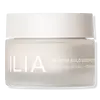
Colloidal Oatmeal 1%, Water, Caprylic/Capric Triglyceride, Squalane, Glycerin, Arachidyl Alcohol, Propanediol, Butyrospermum Parkii Butter, Behenyl Alcohol, Avena Sativa Kernel Extract, Lithothamnion Calcareum Extract, Ophiopogon Japonicus Root Extract, Lactic Acid, Polyglycerin-6, Polyglyceryl-6 Laurate, Sodium Acrylate/Sodium Acryloyldimethyl Taurate Copolymer, Arachidyl Glucoside, C15-19 Alkane, Maltodextrin, Amylopectin, Hydrogenated Lecithin, Biosaccharide Gum-1, Pentylene Glycol, Trisodium Ethylenediamine Disuccinate, Sodium Levulinate, Calcium Chloride, Glyceryl Caprylate, Xanthan Gum, P-Anisic Acid, 1,2-Hexanediol, Caprylyl Glycol, Glucose, Sorbitan Oleate, Sorbitan Isostearate, Potassium Sorbate, Sodium Benzoate, Citric Acid
Colloidal Oatmeal 2%
Absorbent
Water
Skin ConditioningGlycerin
Humectant
Isopropyl Palmitate
Emollient
Butyrospermum Parkii Butter
Skin Conditioning
Isododecane
EmollientVegetable Oil
Skin Conditioning
Cetyl Alcohol
Emollient
Sodium Hydroxide
BufferingLactic Acid
Buffering
Sodium Polyacrylate
Absorbent
Caprylyl Glycol
Emollient
Avena Sativa Kernel Oil
Skin Conditioning
Cetearyl Olivate
Carbomer
Emulsion StabilisingCeramide AP
Skin Conditioning
1,2-Hexanediol
Skin Conditioning
Sorbitan Olivate
Emulsifying
Hydrogenated Vegetable Oil
Emollient
Euphorbia Cerifera Wax
Avena Sativa Kernel Extract
Abrasive
Tropolone
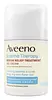
Skin ConditioningColloidal Oatmeal 2%, Water, Glycerin, Isopropyl Palmitate, Butyrospermum Parkii Butter, Isododecane, Vegetable Oil, Cetyl Alcohol, Sodium Hydroxide, Lactic Acid, Sodium Polyacrylate, Caprylyl Glycol, Avena Sativa Kernel Oil, Cetearyl Olivate, Carbomer, Ceramide AP, 1,2-Hexanediol, Sorbitan Olivate, Hydrogenated Vegetable Oil, Euphorbia Cerifera Wax, Avena Sativa Kernel Extract, Tropolone
Ingredients Explained
These ingredients are found in both products.
Ingredients higher up in an ingredient list are typically present in a larger amount.
1,2-Hexanediol is a synthetic liquid and another multi-functional powerhouse.
It is a:
- Humectant, drawing moisture into the skin
- Emollient, helping to soften skin
- Solvent, dispersing and stabilizing formulas
- Preservative booster, enhancing the antimicrobial activity of other preservatives
Avena Sativa Kernel Extract is is derived from colloidal oatmeal. Besides being a healthy breakfast, oats have many benefits in skincare too.
This ingredient helps sooth, hydrate, and protect the skin. The starches in colloidal oatmeal are able to bind water, keeping the skin hydrated.
The cellulose and fiber in colloidal oatmeal help reduce inflammation. This can also help the skin feel softer.
Colloidal Oatmeal is also an antioxidant. Antioxidants protect our skin from free-radical damage.
Oatmeal also contains beneficial compounds:
This ingredient is created by mixing grounded oatmeal and a liquid base.
Learn more about Avena Sativa Kernel ExtractThis ingredient is also known as shea butter. It is a plant-derived extract from the nuts of the Africa shea tree and one of the most well-studied emollients.
Because it has a high concentration of fatty acids (primarily oleic, stearic, and linoleic) it is able to form a protective barrier on the skin's surface. This helps seal in moisture and prevents transepidermal water loss (TEWL).
In vitro research found an increase in skin hydration by 58% and a decrease in TEWL by 37.8% after 24 hours of applying this ingredient (pretty impressive for a single ingredient!).
Besides hydration, shea butter also contains triterpenes that have anti-inflammatory potential. In particule, lupeol cinnamate has shown the highest anti-inflammatory activity in vivo.
Shea butter also contains vitamins A and E which may contribute to antioxidant activity.
While Shea Butter has an SPF rating of about 3-4, it is not a sunscreen replacement.
This ingredient may not be fungal acne safe because its fatty acids fall within the C11-C24 range that the Malassezia yeast can metabolize.
Learn more about Butyrospermum Parkii ButterCaprylyl Glycol is a humectant, skin conditioner, emollient, and preservative booster derived from either caprylic acid or synthetically created.
Typical use levels vary from 0.3-1% as a preservative booster and go up to 2% to condition skin.
Because it is not a free-fatty acid, this ingredient is fungal acne safe (there's nothing for Malassezia to feed on).
Learn more about Caprylyl GlycolAccording to INCI standards, this ingredient refers to the physical ground up oatmeal. If you are looking for colloidal oatmeal in skincare, you'll most likely see Avena Sativa Kernel Extract on your ingredient list.
Physical colloidal oatmeal is an abrasive meaning it provides physical exfoliation.
Glycerin (or glycerol) is a compound naturally found in your skin. It's a powerhouse humectant that pulls water into the stratum corneum.
Topically, glycerin does several things at once:
Your skin makes glycerin on its own (mostly from sebaceous oil breakdown) and shuttles it to your outermost layer of skin, or your epidermis, via aquaporin-3.
Aquaporin-3 is a transporter that is essential for normal skin hydration, elasticity, and repair. Interestingly, mice lacking in AQP3 have dry and less elastic skin that can be fully corrected with glycerin.
This ingredient is non-irritating, plays well with almost every ingredient, and works across all skin types. Typical use is anywhere between 3-10% but can go up to 79% in some leave-on products.
Just know very high concentrations (>40%) can feel tacky in low humidity.
Glycerin is the name for this ingredient in American English. British English uses Glycerol/Glycerine.
Learn more about GlycerinLactic Acid is another well-loved alpha hydroxy acid (AHA). It is gentler than glycolic acid but still highly effective.
Its main role is to exfoliate the surface of the skin by loosening the “glue” that holds dead skin cells together. Shedding those old cells leads to smoother, softer, and more even-toned skin.
Because lactic acid molecules are larger than glycolic acid, they don’t penetrate as deeply. This means they’re less likely to sting or irritate, making it a great choice for beginners or those with sensitive skin.
Like glycolic acid, it can:
Lactic acid also acts as a humectant (like hyaluronic acid). It can draw water into the skin to improve hydration and also plays a role in the skin's natural moisturizing factor (NMF) in the form of sodium lactate.
Studies show it can boost ceramide production to strengthen the skin barrier and even help balance the skin’s microbiome.
To get results, choose products with a pH between 3-4.
Lower strengths (5-12%) focus on surface exfoliation; higher strengths (12% and up) can reach deeper in the dermis (deeper, supportive layer) to improve skin texture and firmness over time.
Though it was originally derived from milk, most modern lactic acid used in skincare is vegan. It is made through non-dairy fermentation to create a bio-identical and stable form suitable for all formulations.
When lactic acid shows up near the end of an ingredient list, it usually means the brand added just a tiny amount to adjust the product’s pH.
Legend has it that Cleopatra used to bathe in sour milk to help reduce wrinkles.
Lactic acid is truly a gentle multitasker: it exfoliates, hydrates, strengthens, and brightens. It's a great ingredient for giving your skin a smooth, glowing, and healthy look without the harshness of stronger acids.
Read more about some other popular AHA's here:
Learn more about Lactic AcidWater. It's the most common cosmetic ingredient of all. You'll usually see it at the top of ingredient lists, meaning that it makes up the largest part of the product.
So why is it so popular? Water most often acts as a solvent - this means that it helps dissolve other ingredients into the formulation.
You'll also recognize water as that liquid we all need to stay alive. If you see this, drink a glass of water. Remember to stay hydrated!
Learn more about Water
