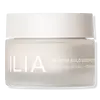
This barrier-repair moisturizer is formulated around Colloidal Oatmeal and Squalane to strengthen the skin barrier and calm redness.
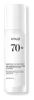
This calming moisturizer is formulated around Sodium Hyaluronate and Beta-Glucan to calm redness and hydrate skin.


What's inside
What's inside
 Key Ingredients
Benefits
Concerns
Ingredients Side-by-side
Colloidal Oatmeal 1%
Absorbent


Water
Skin ConditioningCaprylic/Capric Triglyceride
Masking

Squalane
Emollient
Glycerin
Humectant
Arachidyl Alcohol
Emollient
Propanediol
Solvent
Butyrospermum Parkii Butter
Skin Conditioning




Behenyl Alcohol
Emollient
Avena Sativa Kernel Extract
Abrasive

Lithothamnion Calcareum Extract
Skin ConditioningOphiopogon Japonicus Root Extract
Skin ConditioningLactic Acid
Buffering






Polyglycerin-6
HumectantPolyglyceryl-6 Laurate
Emulsifying
Sodium Acrylate/Sodium Acryloyldimethyl Taurate Copolymer
Emulsion StabilisingArachidyl Glucoside
EmulsifyingC15-19 Alkane
SolventMaltodextrin
Absorbent
Amylopectin
Hydrogenated Lecithin
Emulsifying
Biosaccharide Gum-1
Humectant
Pentylene Glycol
Skin Conditioning
Trisodium Ethylenediamine Disuccinate
ChelatingSodium Levulinate
Skin ConditioningCalcium Chloride
AstringentGlyceryl Caprylate
EmollientXanthan Gum
EmulsifyingP-Anisic Acid
Masking1,2-Hexanediol
Skin Conditioning
Caprylyl Glycol
Emollient
Glucose
Humectant
Sorbitan Oleate
Emulsifying
Sorbitan Isostearate
Emulsifying
Potassium Sorbate
Preservative
Sodium Benzoate
Masking
Citric Acid
Buffering
Colloidal Oatmeal 1%, Water, Caprylic/Capric Triglyceride, Squalane, Glycerin, Arachidyl Alcohol, Propanediol, Butyrospermum Parkii Butter, Behenyl Alcohol, Avena Sativa Kernel Extract, Lithothamnion Calcareum Extract, Ophiopogon Japonicus Root Extract, Lactic Acid, Polyglycerin-6, Polyglyceryl-6 Laurate, Sodium Acrylate/Sodium Acryloyldimethyl Taurate Copolymer, Arachidyl Glucoside, C15-19 Alkane, Maltodextrin, Amylopectin, Hydrogenated Lecithin, Biosaccharide Gum-1, Pentylene Glycol, Trisodium Ethylenediamine Disuccinate, Sodium Levulinate, Calcium Chloride, Glyceryl Caprylate, Xanthan Gum, P-Anisic Acid, 1,2-Hexanediol, Caprylyl Glycol, Glucose, Sorbitan Oleate, Sorbitan Isostearate, Potassium Sorbate, Sodium Benzoate, Citric Acid
Houttuynia Cordata Flower/Leaf/Stem Water
Antimicrobial
Glycerin
Humectant
Water
Skin ConditioningEthylhexyl Stearate
Emollient
1,2-Hexanediol
Skin Conditioning
Glyceryl Stearate Citrate
Emollient
Methylpropanediol
SolventButylene Glycol
Humectant
Cynanchum Atratum Extract
Skin ConditioningFraxinus Rhynchophylla Extract
Skin ConditioningOcimum Basilicum Flower/Leaf/Stem Extract
TonicAlthaea Rosea Flower Extract
Skin ConditioningSodium Hyaluronate
Humectant
Methyl Trimethicone
Skin Conditioning
Pentylene Glycol
Skin Conditioning
Hydrogenated Poly(C6-14 Olefin)
EmollientAmmonium Acryloyldimethyltaurate/Vp Copolymer
Glyceryl Stearate
Emollient
Polyglyceryl-3 Distearate
Emulsifying
Betaine
Humectant
Glyceryl Glucoside
Humectant
Hydrogenated Lecithin
Emulsifying
Tromethamine
BufferingEthylhexylglycerin
Skin ConditioningSodium Stearoyl Glutamate
CleansingSodium Phytate
ChelatingBeta-Glucan
Skin Conditioning
Tocopherol
Antioxidant
Sodium Acetylated Hyaluronate
Humectant
Carbomer
Emulsion StabilisingHouttuynia Cordata Flower/Leaf/Stem Water, Glycerin, Water, Ethylhexyl Stearate, 1,2-Hexanediol, Glyceryl Stearate Citrate, Methylpropanediol, Butylene Glycol, Cynanchum Atratum Extract, Fraxinus Rhynchophylla Extract, Ocimum Basilicum Flower/Leaf/Stem Extract, Althaea Rosea Flower Extract, Sodium Hyaluronate, Methyl Trimethicone, Pentylene Glycol, Hydrogenated Poly(C6-14 Olefin), Ammonium Acryloyldimethyltaurate/Vp Copolymer, Glyceryl Stearate, Polyglyceryl-3 Distearate, Betaine, Glyceryl Glucoside, Hydrogenated Lecithin, Tromethamine, Ethylhexylglycerin, Sodium Stearoyl Glutamate, Sodium Phytate, Beta-Glucan, Tocopherol, Sodium Acetylated Hyaluronate, Carbomer
Reviews
Ingredients Explained
These ingredients are found in both products.
Ingredients higher up in an ingredient list are typically present in a larger amount.
1,2-Hexanediol is a synthetic liquid and another multi-functional powerhouse.
It is a:
- Humectant, drawing moisture into the skin
- Emollient, helping to soften skin
- Solvent, dispersing and stabilizing formulas
- Preservative booster, enhancing the antimicrobial activity of other preservatives
Glycerin (or glycerol) is a compound naturally found in your skin. It's a powerhouse humectant that pulls water into the stratum corneum.
Topically, glycerin does several things at once:
Your skin makes glycerin on its own (mostly from sebaceous oil breakdown) and shuttles it to your outermost layer of skin, or your epidermis, via aquaporin-3.
Aquaporin-3 is a transporter that is essential for normal skin hydration, elasticity, and repair. Interestingly, mice lacking in AQP3 have dry and less elastic skin that can be fully corrected with glycerin.
This ingredient is non-irritating, plays well with almost every ingredient, and works across all skin types. Typical use is anywhere between 3-10% but can go up to 79% in some leave-on products.
Just know very high concentrations (>40%) can feel tacky in low humidity.
Glycerin is the name for this ingredient in American English. British English uses Glycerol/Glycerine.
Learn more about GlycerinHydrogenated Lecithin is a more stable version of lecithin.
It's made by taking lecithin (a phospholipid commonly found in soybeans and egg yolks) and hydrogenating it. This just means the unsaturated fatty acids are turned into saturated ones so they don't go bad as easily.
This ingredient is an emollient, emulsifier, and penetration enhancer. As an emollient, it helps soften and hydrate skin by trapping moisture within. As an emulsifier, it prevents oil and water ingredients from separating.
Hydrogenated Lecithin can form tiny spherical structures made of phospholipid bilayers called liposomes. These liposomes are able to capture compounds inside their structure and deliver them through the skin barrier.
Because phospholipids are a natural component of our cell membranes, this ingredient is inherently compatible with skin.
A 2021 study found lecithin-based surfactants were less harsh and more tolerable comared to Sodium Lauryl Sulfate (SLS).
Learn more about Hydrogenated LecithinPentylene Glycol (1,2-pentanediol) is a multitasking little diol with three main roles in a formula:
Research on alkanediols (the family pentylene glycol belongs to) show they work by disrupting microbial cell membranes. This disruption helps the primary preservative system in a product work more effectively at lower doses.
On the safety side, the Cosmetic Ingredient Review Expert Panel has concluded this ingredient to be safe as used in current cosmetic practices + concentrations.
Typical use levels in a formula run about 1-5%.
Learn more about Pentylene GlycolWater. It's the most common cosmetic ingredient of all. You'll usually see it at the top of ingredient lists, meaning that it makes up the largest part of the product.
So why is it so popular? Water most often acts as a solvent - this means that it helps dissolve other ingredients into the formulation.
You'll also recognize water as that liquid we all need to stay alive. If you see this, drink a glass of water. Remember to stay hydrated!
Learn more about Water


