
What's inside
What's inside
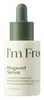 Key Ingredients
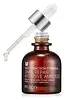
Benefits
Concerns
Ingredients Side-by-side
Artemisia Princeps Leaf Extract 57%
Skin ConditioningButylene Glycol
Humectant

2,3-Butanediol
HumectantGlycerin
Humectant
Methylpropanediol
SolventWater
Skin ConditioningNiacinamide
Smoothing









1,2-Hexanediol
Skin Conditioning
Melia Azadirachta Flower Extract
Skin ConditioningOcimum Sanctum Leaf Extract
Skin ConditioningTheobroma Cacao Extract
Skin ConditioningMelia Azadirachta Leaf Extract
Skin ConditioningCurcuma Longa Root Extract
Masking
Allium Sativum Bulb Extract 3%
Skin ConditioningCorallina Officinalis Extract
Skin Conditioning
Sodium Hyaluronate
Humectant
Pentylene Glycol
Skin Conditioning
Erythritol
Humectant
Betaine
Humectant
Methyl Gluceth-10
EmulsifyingPanthenol
Skin Conditioning
Hydroxyethyl Urea
Humectant
Sclerotium Gum
Emulsion StabilisingCaprylic/Capric Triglyceride
Masking
Ethylhexylglycerin
Skin ConditioningTromethamine
BufferingHydrogenated Lecithin
Emulsifying
Allantoin
Skin Conditioning
Citric Acid
Buffering

Sodium Phytate
Dextrin
AbsorbentCeramide NP
Skin Conditioning
Beta-Glucan
Skin Conditioning
Cellulose
Absorbent
Polyglutamic Acid
Skin Conditioning
Tocopherol
Antioxidant

Xanthan Gum
EmulsifyingCarbomer
Emulsion StabilisingArtemisia Princeps Leaf Extract 57%, Butylene Glycol, 2,3-Butanediol, Glycerin, Methylpropanediol, Water, Niacinamide, 1,2-Hexanediol, Melia Azadirachta Flower Extract, Ocimum Sanctum Leaf Extract, Theobroma Cacao Extract, Melia Azadirachta Leaf Extract, Curcuma Longa Root Extract, Allium Sativum Bulb Extract 3%, Corallina Officinalis Extract, Sodium Hyaluronate, Pentylene Glycol, Erythritol, Betaine, Methyl Gluceth-10, Panthenol, Hydroxyethyl Urea, Sclerotium Gum, Caprylic/Capric Triglyceride, Ethylhexylglycerin, Tromethamine, Hydrogenated Lecithin, Allantoin, Citric Acid, Sodium Phytate, Dextrin, Ceramide NP, Beta-Glucan, Cellulose, Polyglutamic Acid, Tocopherol, Xanthan Gum, Carbomer
Snail Secretion Filtrate
Skin Conditioning
Sodium Hyaluronate
Humectant
Butylene Glycol
Humectant
Glycerin
Humectant
Alcohol Denat.
Antimicrobial



Panthenol
Skin Conditioning
Glycereth-26
Humectant
Punica Granatum Extract
AstringentTheobroma Cacao Extract
Skin ConditioningCarbomer
Emulsion StabilisingTriethanolamine
BufferingTrehalose
Humectant
Copper Tripeptide-1
Skin Conditioning
Oligopeptide-1
Skin Conditioning
Palmitoyl Pentapeptide-4
Skin Conditioning
Cornus Officinalis Fruit Extract
Skin ConditioningNelumbium Speciosum Flower Extract
Skin ConditioningCaprylyl Glycol
Emollient
Ethylhexylglycerin
Skin ConditioningTropolone
Skin ConditioningSodium Polyacrylate
Absorbent
Adenosine
Skin Conditioning
Coptis Japonica Extract
AntimicrobialDisodium EDTA
Snail Secretion Filtrate, Sodium Hyaluronate, Butylene Glycol, Glycerin, Alcohol Denat., Panthenol, Glycereth-26, Punica Granatum Extract, Theobroma Cacao Extract, Carbomer, Triethanolamine, Trehalose, Copper Tripeptide-1, Oligopeptide-1, Palmitoyl Pentapeptide-4, Cornus Officinalis Fruit Extract, Nelumbium Speciosum Flower Extract, Caprylyl Glycol, Ethylhexylglycerin, Tropolone, Sodium Polyacrylate, Adenosine, Coptis Japonica Extract, Disodium EDTA
Reviews
Ingredients Explained
These ingredients are found in both products.
Ingredients higher up in an ingredient list are typically present in a larger amount.
Butylene Glycol (or BG) is used within cosmetic products for a few different reasons:
Overall, Butylene Glycol is a safe and well-rounded ingredient that works well with other ingredients.
Though this ingredient works well with most skin types, some people with sensitive skin may experience a reaction such as allergic rashes, closed comedones, or itchiness.
Learn more about Butylene GlycolCarbomer is a high-molecular weight polymer of acrylic acid. It is used to form gels and thicken formulas.
Due to its large molecular size, carbomer has minimal skin penetration and is considered an inert ingredient.
A high amount of carbomer can cause pilling or balling up of products. Don't worry, most products contain 1% or less of carbomer.
Learn more about CarbomerEthylhexylglycerin is created from glycerin. It is a multitasker ingredient that:
The CIR Expert Panel found minimal skin absorption or sensitization of any kind in a safety assessment. Though this ingredient is considered well-tolerated, a small number of cases of allergic dermatitis have been published since 2002. Just be sure to patch test if you are unsure.
Industry-reported use ranges from 8% in rinse-off products and 2% in leave-on formulations.
Learn more about EthylhexylglycerinGlycerin (or glycerol) is a compound naturally found in your skin. It's a powerhouse humectant that pulls water into the stratum corneum.
Topically, glycerin does several things at once:
Your skin makes glycerin on its own (mostly from sebaceous oil breakdown) and shuttles it to your outermost layer of skin, or your epidermis, via aquaporin-3.
Aquaporin-3 is a transporter that is essential for normal skin hydration, elasticity, and repair. Interestingly, mice lacking in AQP3 have dry and less elastic skin that can be fully corrected with glycerin.
This ingredient is non-irritating, plays well with almost every ingredient, and works across all skin types. Typical use is anywhere between 3-10% but can go up to 79% in some leave-on products.
Just know very high concentrations (>40%) can feel tacky in low humidity.
Glycerin is the name for this ingredient in American English. British English uses Glycerol/Glycerine.
Learn more about GlycerinPanthenol is a common ingredient that helps hydrate and soothe the skin. It is found naturally in our skin and hair.
There are two forms of panthenol: D and L.
D-panthenol is also known as dexpanthenol. Most cosmetics use dexpanthenol or a mixture of D and L-panthenol.
Panthenol is famous due to its ability to go deeper into the skin's layers. Using this ingredient has numerous pros (and no cons):
Like hyaluronic acid, panthenol is a humectant. Humectants are able to bind and hold large amounts of water to keep skin hydrated.
This ingredient works well for wound healing. It works by increasing tissue in the wound and helps close open wounds.
Once oxidized, panthenol converts to pantothenic acid. Panthothenic acid is found in all living cells.
This ingredient is also referred to as pro-vitamin B5.
Learn more about PanthenolSodium Hyaluronate is the salt form of hyaluronic acid. It is a long sugar chain that is naturally found in your skin, joints, and connective tissue that maintains hydration and elasticity.
In skincare, it works as a humectant. It pulls water from the environment and deeper layers of skin and binds it to the surface.
Interestingly, the size of the molecule affects its behavior:
Some clinical evidence links low molecular weight versions to improved wrinkle depth, elasticity, anti-inflammatory effects, and barrier repair.
Many serums use a blend of both weights so you can get surface hydration plus longer-lasting and deeper effects.
You'll typically see concentrations between 0.1-2% for this ingredient.
Learn more about Sodium HyaluronateThis ingredient is extracted from the seeds of the cocoa tree.
Cacao seeds contain antioxidants known as polyphenols. These include flavonoids, procyanidins, and epicatechins.
Studies show these polyphenols help improve skin health.
The more famous ingredient from cocoa tree is cocoa butter.
Learn more about Theobroma Cacao Extract
