
What's inside
What's inside
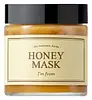 Key Ingredients
Benefits
Concerns
Ingredients Side-by-side
Honey
Humectant
Caprylic/Capric Triglyceride
Masking

PEG-7 Glyceryl Cocoate
Emulsifying

Disteardimonium Hectorite
StabilisingMacadamia Ternifolia Seed Oil
Emollient
Helianthus Annuus Seed Oil
Emollient
Pentylene Glycol
Skin Conditioning
Microcrystalline Wax
Emulsion StabilisingPolysorbate 20
Emulsifying
Butyrospermum Parkii Butter
Skin Conditioning

Beeswax
Emulsion Stabilising
Tocopheryl Acetate
Antioxidant


Argania Spinosa Kernel Extract
Skin ConditioningCorylus Avellana Seed Oil
Emollient
Simmondsia Chinensis Seed Oil
Emollient
Snail Secretion Filtrate
Skin Conditioning


Water
Skin ConditioningBambusa Vulgaris Water
Skin ConditioningNelumbo Nucifera Flower Water
TonicAloe Barbadensis Leaf Water
MaskingPropolis Extract
Skin Conditioning

Beta-Glucan
Skin Conditioning
Bee Venom
Astringent
Citrus Paradisi Fruit Extract
Skin ConditioningSophora Flavescens Extract
Skin ConditioningEugenia Caryophyllus Flower Extract
AstringentEucalyptus Globulus Leaf Extract
Perfuming
Punica Granatum Fruit Extract
Antioxidant
Bambusa Vulgaris Extract
Skin Conditioning
Butylene Glycol
Humectant
Glycerin
Humectant
Honey, Caprylic/Capric Triglyceride, PEG-7 Glyceryl Cocoate, Disteardimonium Hectorite, Macadamia Ternifolia Seed Oil, Helianthus Annuus Seed Oil, Pentylene Glycol, Microcrystalline Wax, Polysorbate 20, Butyrospermum Parkii Butter, Beeswax, Tocopheryl Acetate, Argania Spinosa Kernel Extract, Corylus Avellana Seed Oil, Simmondsia Chinensis Seed Oil, Snail Secretion Filtrate, Water, Bambusa Vulgaris Water, Nelumbo Nucifera Flower Water, Aloe Barbadensis Leaf Water, Propolis Extract, Beta-Glucan, Bee Venom, Citrus Paradisi Fruit Extract, Sophora Flavescens Extract, Eugenia Caryophyllus Flower Extract, Eucalyptus Globulus Leaf Extract, Punica Granatum Fruit Extract, Bambusa Vulgaris Extract, Butylene Glycol, Glycerin
Opuntia Ficus-Indica Stem Extract
Skin Conditioning
Glycerin
Humectant
Butylene Glycol
Humectant
Cyclopentasiloxane
Emollient
Cyclohexasiloxane
Emollient
Trehalose
Humectant
Water
Skin Conditioning1,2-Hexanediol
Skin Conditioning
Opuntia Ficus-Indica Seed Oil
Emollient
Ceramide NP
Skin Conditioning
Sodium Hyaluronate
Humectant
Beta-Glucan
Skin Conditioning
Centella Asiatica Leaf Extract
Skin Conditioning
Perilla Ocymoides Leaf Extract
TonicPaeonia Suffruticosa Root Extract
Skin ProtectingSalvia Officinalis Leaf Extract
CleansingCitrus Grandis Seed Extract
Astringent
Acorus Gramineus Root/Stem Extract
Skin ConditioningPerilla Frutescens Leaf Extract
MaskingTheobroma Cacao Extract
Skin ConditioningHydrogenated Lecithin
Emulsifying
Ammonium Acryloyldimethyltaurate/Vp Copolymer
Polysorbate 20
Emulsifying
Dimethicone
Emollient
Dimethiconol
Emollient
Carbomer
Emulsion StabilisingDimethicone/Vinyl Dimethicone Crosspolymer
Skin Conditioning
Propanediol
Solvent
Ethylhexylglycerin
Skin ConditioningAlcohol
Antimicrobial



Dextrin
AbsorbentCaprylic/Capric Triglyceride
Masking
Cetyl Ethylhexanoate
EmollientPolysorbate 80
Emulsifying
Tromethamine
BufferingDisodium EDTA
Phenoxyethanol
Preservative
Parfum
Masking
Benzyl Salicylate
Perfuming
Hexyl Cinnamal
Perfuming
Citronellol
Perfuming
Opuntia Ficus-Indica Stem Extract, Glycerin, Butylene Glycol, Cyclopentasiloxane, Cyclohexasiloxane, Trehalose, Water, 1,2-Hexanediol, Opuntia Ficus-Indica Seed Oil, Ceramide NP, Sodium Hyaluronate, Beta-Glucan, Centella Asiatica Leaf Extract, Perilla Ocymoides Leaf Extract, Paeonia Suffruticosa Root Extract, Salvia Officinalis Leaf Extract, Citrus Grandis Seed Extract, Acorus Gramineus Root/Stem Extract, Perilla Frutescens Leaf Extract, Theobroma Cacao Extract, Hydrogenated Lecithin, Ammonium Acryloyldimethyltaurate/Vp Copolymer, Polysorbate 20, Dimethicone, Dimethiconol, Carbomer, Dimethicone/Vinyl Dimethicone Crosspolymer, Propanediol, Ethylhexylglycerin, Alcohol, Dextrin, Caprylic/Capric Triglyceride, Cetyl Ethylhexanoate, Polysorbate 80, Tromethamine, Disodium EDTA, Phenoxyethanol, Parfum, Benzyl Salicylate, Hexyl Cinnamal, Citronellol
Reviews
Alternatives
Ingredients Explained
These ingredients are found in both products.
Ingredients higher up in an ingredient list are typically present in a larger amount.
Beta-Glucan is a polysaccharide. It can be derived from the cell walls of seaweed, oats, yeast, and fungi. It hydrates the skin and helps boost your skin's natural barrier.
As an antioxidant, beta-glucan helps fight free-radicals. Free-radicals are molecules that may damage your skin cells, such as pollution.
Studies show this ingredient may be an effective wrinkle reducer as it can deeply penetrate into skin. It has also been show to help with wound healing.
Learn more about Beta-GlucanButylene Glycol (or BG) is used within cosmetic products for a few different reasons:
Overall, Butylene Glycol is a safe and well-rounded ingredient that works well with other ingredients.
Though this ingredient works well with most skin types, some people with sensitive skin may experience a reaction such as allergic rashes, closed comedones, or itchiness.
Learn more about Butylene GlycolThis ingredient is a lightweight emollient, solvent, and texture enhancer. It is considered a skin-softener by helping the skin prevent moisture loss.
It helps thicken a product's formula and makes it easier to spread by dissolving clumping compounds.
Caprylic Triglyceride is made by combining glycerin with coconut oil, forming a clear liquid. Though it behaves like an oil, it is not technically one due to its chemical composition. It is very stable, resistant to oxidation, and unlikely to go rancid. In practice, that translates to a long shelf life and a consistently elegant skin feel.
While there is an assumption Caprylic Triglyceride can clog pores due to it being derived from coconut oil, there is no research supporting this. Be sure to patch test if you have concerns.
Fractionated coconut oil and MCT Oil are both listed as Caprylic/Capric Triglyceride according to INCI. This is because INCI names are based on the ingredient’s final chemical composition and not its marketing name or source.
Learn more about Caprylic/Capric TriglycerideGlycerin (or glycerol) is a compound naturally found in your skin. It's a powerhouse humectant that pulls water into the stratum corneum.
Topically, glycerin does several things at once:
Your skin makes glycerin on its own (mostly from sebaceous oil breakdown) and shuttles it to your outermost layer of skin, or your epidermis, via aquaporin-3.
Aquaporin-3 is a transporter that is essential for normal skin hydration, elasticity, and repair. Interestingly, mice lacking in AQP3 have dry and less elastic skin that can be fully corrected with glycerin.
This ingredient is non-irritating, plays well with almost every ingredient, and works across all skin types. Typical use is anywhere between 3-10% but can go up to 79% in some leave-on products.
Just know very high concentrations (>40%) can feel tacky in low humidity.
Glycerin is the name for this ingredient in American English. British English uses Glycerol/Glycerine.
Learn more about GlycerinPolysorbate 20 is a gentle, water-soluble emulsifier and mild surfactant. It stops oil and water from separating to keep your formulas blended and stable.
It also acts as a mild penetration enhancer by helping active ingredients absorb slightly better.
The common safety discussion around this ingredient involves a manufacturing byproduct called 1,4-dioxane.
Trace amounts can form during production but the EU's Scientific Committee on Consumer Safety has concluded that levels at/below 10 ppm in finished products are safe (commercial products consistently fall within acceptable margins).
True allergic reactions are uncommon and the CIR Expert Panel has confirmed this ingredient to be safe as used in cosmetics.
Because it is derived from lauric acid, it may not be fungal acne safe.
Learn more about Polysorbate 20Water. It's the most common cosmetic ingredient of all. You'll usually see it at the top of ingredient lists, meaning that it makes up the largest part of the product.
So why is it so popular? Water most often acts as a solvent - this means that it helps dissolve other ingredients into the formulation.
You'll also recognize water as that liquid we all need to stay alive. If you see this, drink a glass of water. Remember to stay hydrated!
Learn more about Water
