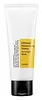
This hydrating overnight mask is formulated around Propolis Extract and Allantoin to hydrate skin and calm redness.
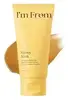
This wash off mask is made with Honey and Snail Secretion Filtrate for a rinse-off hydration boost.

What's inside
What's inside
 Key Ingredients
Benefits
Concerns
Ingredients Side-by-side
Propolis Extract
Skin Conditioning




Butylene Glycol
Humectant

Glycerin
Humectant
Betaine
Humectant
1,2-Hexanediol
Skin Conditioning
PEG-60 Hydrogenated Castor Oil
Emulsifying


Arginine
Masking
Cassia Obtusifolia Seed Extract
Skin ConditioningDimethicone
Emollient
Ethylhexylglycerin
Skin ConditioningCarbomer
Emulsion StabilisingSodium Hyaluronate
Humectant

Beeswax
Emulsion Stabilising


Allantoin
Skin Conditioning
Panthenol
Skin Conditioning
Sodium Polyacrylate
Absorbent
Adenosine
Skin Conditioning
Honey
Humectant
Caprylic/Capric Triglyceride
Masking
PEG-7 Glyceryl Cocoate
Emulsifying
Disteardimonium Hectorite
StabilisingMacadamia Ternifolia Seed Oil
Emollient
Helianthus Annuus Seed Oil
Emollient
Pentylene Glycol
Skin Conditioning
Microcrystalline Wax
Emulsion StabilisingPolysorbate 20
Emulsifying
Butyrospermum Parkii Butter
Skin Conditioning
Beeswax
Emulsion Stabilising
Tocopheryl Acetate
Antioxidant


Argania Spinosa Kernel Extract
Skin ConditioningCorylus Avellana Seed Oil
Emollient
Simmondsia Chinensis Seed Oil
Emollient
Snail Secretion Filtrate
Skin Conditioning
Water
Skin ConditioningBambusa Vulgaris Water
Skin ConditioningNelumbo Nucifera Flower Water
TonicAloe Barbadensis Leaf Water
MaskingPropolis Extract
Skin Conditioning
Beta-Glucan
Skin Conditioning
Bee Venom
Astringent
Citrus Paradisi Fruit Extract
Skin ConditioningSophora Flavescens Extract
Skin ConditioningEugenia Caryophyllus Flower Extract
AstringentEucalyptus Globulus Leaf Extract
Perfuming
Punica Granatum Fruit Extract
Antioxidant
Bambusa Vulgaris Extract
Skin Conditioning
Butylene Glycol
Humectant
Glycerin
Humectant
Honey, Caprylic/Capric Triglyceride, PEG-7 Glyceryl Cocoate, Disteardimonium Hectorite, Macadamia Ternifolia Seed Oil, Helianthus Annuus Seed Oil, Pentylene Glycol, Microcrystalline Wax, Polysorbate 20, Butyrospermum Parkii Butter, Beeswax, Tocopheryl Acetate, Argania Spinosa Kernel Extract, Corylus Avellana Seed Oil, Simmondsia Chinensis Seed Oil, Snail Secretion Filtrate, Water, Bambusa Vulgaris Water, Nelumbo Nucifera Flower Water, Aloe Barbadensis Leaf Water, Propolis Extract, Beta-Glucan, Bee Venom, Citrus Paradisi Fruit Extract, Sophora Flavescens Extract, Eugenia Caryophyllus Flower Extract, Eucalyptus Globulus Leaf Extract, Punica Granatum Fruit Extract, Bambusa Vulgaris Extract, Butylene Glycol, Glycerin
Reviews
Alternatives
Ingredients Explained
These ingredients are found in both products.
Ingredients higher up in an ingredient list are typically present in a larger amount.
Beeswax is natural wax produced by honey bees to build their honeycomb.
Because it forms a protective layer on your skin, it can help lock in moisture and reduce water loss. It is also widely used as a thickener and emulsifier in lip balms and lotions. Research suggests beeswax containing moisturizers can support skin barrier integrity.
In comedogenic testing, Beeswax scored a 0-2, which is on the low end. Whether or not a product clogs your pores really comes down to the formula as a whole (not any single ingredient on its own) and your skin.
Cera Alba is the white, bleached form of this ingredient.
Just so you know, beeswax is not vegan since it is animal-derived. It cannot be removed with water, but can be taken off with an oil cleanser.
People with a known Propolis allergy also report to have reactions from beeswax.
Beeswax's wax esters are derived primarily from palmitic and oleic acid (C16 and C18:1). Both of these fall within the C11-C24 feeding window.
The Malassezia yeast can potentially cleave these esters and release usable fatty acids, so this ingredient may not be fungal acne safe. However, not everyone will react to this ingredient.
Learn more about BeeswaxButylene Glycol (or BG) is used within cosmetic products for a few different reasons:
Overall, Butylene Glycol is a safe and well-rounded ingredient that works well with other ingredients.
Though this ingredient works well with most skin types, some people with sensitive skin may experience a reaction such as allergic rashes, closed comedones, or itchiness.
Learn more about Butylene GlycolGlycerin (or glycerol) is a compound naturally found in your skin. It's a powerhouse humectant that pulls water into the stratum corneum.
Topically, glycerin does several things at once:
Your skin makes glycerin on its own (mostly from sebaceous oil breakdown) and shuttles it to your outermost layer of skin, or your epidermis, via aquaporin-3.
Aquaporin-3 is a transporter that is essential for normal skin hydration, elasticity, and repair. Interestingly, mice lacking in AQP3 have dry and less elastic skin that can be fully corrected with glycerin.
This ingredient is non-irritating, plays well with almost every ingredient, and works across all skin types. Typical use is anywhere between 3-10% but can go up to 79% in some leave-on products.
Just know very high concentrations (>40%) can feel tacky in low humidity.
Glycerin is the name for this ingredient in American English. British English uses Glycerol/Glycerine.
Learn more about GlycerinPropolis Extract is a natural ingredient derived from propolis (also known as bee glue). Bees make propolis by mixing their saliva and beeswax with resins collected from tree buds and plants.
This ingredient is packed with bioactive compounds like flavonoids, phenolic acids, and amino acids that give it antioxidant and anti-inflammatory properties.
Research shows it can help:
It also pairs nicely with hydrating ingredients like niacinamide and ceramides.
Just so you know, Propolis Extract is recognized as a contact allergen. In patch tests done in the EU, roughly 1-6% of patients react to it. Be sure to steer clear of this ingredient if you have a known allergy to bee products.
Since it is an animal-derived product, this ingredient is not considered vegan. For vegan alternatives, check out Galactomyces Ferment Filtrate or Centella Asiatica Extract.
Learn more about Propolis Extract

