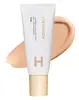
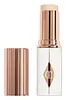
Hourglass Cosmetics Veil Hydrating Skin Tint Foundation Versus Charlotte Tilbury Unreal Skin Sheer Glow Tint Hydrating Foundation Stick


What's inside
What's inside
 Key Ingredients
Benefits
Concerns
Ingredients Side-by-side
Water
Skin ConditioningCaprylic/Capric Triglyceride
Masking


Glycerin
Humectant
Limnanthes Alba Seed Oil
Skin Conditioning


Propanediol
Solvent
Squalane
Emollient
C9-12 Alkane
SolventErythritol
Humectant
Dicaprylyl Ether
Emollient
Polyglyceryl-6 Polyricinoleate
Emulsifying
Octyldodecanol
Emollient
Disteardimonium Hectorite
StabilisingDistarch Phosphate
AbsorbentPhenoxyethanol
Preservative
Polyglyceryl-2 Isostearate
Emulsifying
Magnesium Sulfate
Zinc Stearate
Cosmetic ColorantSodium Benzoate
Masking
Sodium Dehydroacetate
Preservative
Butyrospermum Parkii Butter Extract
Skin Conditioning
Hydrogenated Lecithin
Emulsifying
Coco-Caprylate/Caprate
Emollient
Benzoic Acid
Masking
Propylene Carbonate
SolventSodium Hyaluronate
Humectant

Dehydroacetic Acid
Preservative
Lecithin
Emollient
Ethylhexylglycerin
Skin ConditioningTocopherol
Antioxidant



Ascorbyl Palmitate
Antioxidant
Nephelium Lappaceum Peel Extract
Skin ConditioningCitric Acid
Buffering
Stearic Acid
Cleansing
CI 77891
Cosmetic ColorantIron Oxides
Water, Caprylic/Capric Triglyceride, Glycerin, Limnanthes Alba Seed Oil, Propanediol, Squalane, C9-12 Alkane, Erythritol, Dicaprylyl Ether, Polyglyceryl-6 Polyricinoleate, Octyldodecanol, Disteardimonium Hectorite, Distarch Phosphate, Phenoxyethanol, Polyglyceryl-2 Isostearate, Magnesium Sulfate, Zinc Stearate, Sodium Benzoate, Sodium Dehydroacetate, Butyrospermum Parkii Butter Extract, Hydrogenated Lecithin, Coco-Caprylate/Caprate, Benzoic Acid, Propylene Carbonate, Sodium Hyaluronate, Dehydroacetic Acid, Lecithin, Ethylhexylglycerin, Tocopherol, Ascorbyl Palmitate, Nephelium Lappaceum Peel Extract, Citric Acid, Stearic Acid, CI 77891, Iron Oxides
C15-19 Alkane
SolventOctyldodecanol
Emollient
Tridecyl Trimellitate
EmollientMica
Cosmetic ColorantPentaerythrityl Tetraisostearate
Emollient
Polyethylene
Abrasive
Bis-Diglyceryl Polyacyladipate-2
Emollient
Sucrose Tetrastearate Triacetate
Emollient
Raphanus Sativus Seed Extract
Skin ConditioningCera Microcristallina
Emulsion StabilisingSilica
Abrasive

Silica Silylate
Emollient
Helianthus Annuus Seed Oil
Emollient
Tocopheryl Acetate
Antioxidant
Disteardimonium Hectorite
StabilisingPentaerythrityl Tetra-Di-T-Butyl Hydroxyhydrocinnamate
Antioxidant
Triethoxycaprylylsilane

Ricinus Communis Seed Oil
Masking
Hydrolyzed Sodium Hyaluronate
Skin Conditioning
Lupinus Albus Seed Extract
Skin ConditioningDicalcium Phosphate
Abrasive
Sodium Hyaluronate
Humectant
Hydrogenated Castor Oil
Emollient
Rosmarinus Officinalis Leaf Extract
AntimicrobialTocopherol
Antioxidant
Tin Oxide
Abrasive
CI 77891
Cosmetic ColorantCI 77491
Cosmetic ColorantCI 77492
Cosmetic ColorantCI 42090
Cosmetic ColorantC15-19 Alkane, Octyldodecanol, Tridecyl Trimellitate, Mica, Pentaerythrityl Tetraisostearate, Polyethylene, Bis-Diglyceryl Polyacyladipate-2, Sucrose Tetrastearate Triacetate, Raphanus Sativus Seed Extract, Cera Microcristallina, Silica, Silica Silylate, Helianthus Annuus Seed Oil, Tocopheryl Acetate, Disteardimonium Hectorite, Pentaerythrityl Tetra-Di-T-Butyl Hydroxyhydrocinnamate, Triethoxycaprylylsilane, Ricinus Communis Seed Oil, Hydrolyzed Sodium Hyaluronate, Lupinus Albus Seed Extract, Dicalcium Phosphate, Sodium Hyaluronate, Hydrogenated Castor Oil, Rosmarinus Officinalis Leaf Extract, Tocopherol, Tin Oxide, CI 77891, CI 77491, CI 77492, CI 42090
Reviews
Ingredients Explained
These ingredients are found in both products.
Ingredients higher up in an ingredient list are typically present in a larger amount.
Ci 77891 is a white pigment from Titanium dioxide. It is naturally found in minerals such as rutile and ilmenite.
It's main function is to add a white color to cosmetics. It can also be mixed with other colors to create different shades.
Ci 77891 is commonly found in sunscreens due to its ability to block UV rays.
Learn more about CI 77891Disteardimonium Hectorite comes from the clay mineral named hectorite. It is used to add thickness to a product.
It can also help stabilize a product by helping to disperse other ingredients.
Hectorite is a rare, white clay mineral.
Learn more about Disteardimonium HectoriteOctyldodecanol is a fatty alcohol sourced from plant oils like coconut or palm (or made synthetically).
It is:
You'll likely see this in many BHA products because this is the go-to solvent for salicylic acid.
This ingredient is typically used at levels between 2-20%.
Regarding fungal acne:
In 2019, this ingredient was tested against multiple Malassezia species (the yeast that causes fungal acne) and showed no growth.
Sodium Hyaluronate is the salt form of hyaluronic acid. It is a long sugar chain that is naturally found in your skin, joints, and connective tissue that maintains hydration and elasticity.
In skincare, it works as a humectant. It pulls water from the environment and deeper layers of skin and binds it to the surface.
Interestingly, the size of the molecule affects its behavior:
Some clinical evidence links low molecular weight versions to improved wrinkle depth, elasticity, anti-inflammatory effects, and barrier repair.
Many serums use a blend of both weights so you can get surface hydration plus longer-lasting and deeper effects.
You'll typically see concentrations between 0.1-2% for this ingredient.
Learn more about Sodium HyaluronateTocopherol is a fat-soluble antioxidant known as Vitamin E.
You'll find this ingredient in the vast majority of skincare (for good reason). It works to neutralize free radicals, or unstable molecules generated by UV exposure, pollution, and other environmental stressors, before they can cause oxidative damage to your skin cells.
Topically applied tocopherol has been shown to protect against UV damage by ramping up the skin's own natural defense enzymes.
It also acts as a skin conditioning agent; some studies show that regular topical use can improve the skin's water-binding capacity over 2-4 weeks.
This ingredient is especially loved for being a team player. When combined with Vitamin C, the photoprotective effect of both ingredients roughly doubles and the combo also helps reduce UV-induced DNA damage.
This ingredient has some brightening potential but it's more of a prevention ingredient than spot-fader. Cell studies show it can slow down melanin production but it's worth noting that it's not the most powerful brightener out there.
In formulations, it also serves as a stabilizer that helps protect other oxidation-prone ingredients from degrading.
Concentrations usually range from 0.1-1% in most leave-on products.
Learn more about Tocopherol

