
What's inside
What's inside
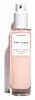 Key Ingredients
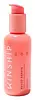
Benefits
Concerns
Ingredients Side-by-side
Water
Skin ConditioningRosa Damascena Flower Water
Masking

Decyl Glucoside
Cleansing
Glycerin
Humectant


Sodium Lauroyl Lactylate
EmulsifyingSqualane
Emollient
Glyceryl Caprylate
EmollientXanthan Gum
EmulsifyingGlyceryl Stearate
Emollient
Tremella Fuciformis Sporocarp Extract
Antioxidant
Caprylhydroxamic Acid
Camellia Sinensis Leaf Extract
Antimicrobial


Aloe Barbadensis Leaf Juice
Skin Conditioning
Citric Acid
Buffering

Eclipta Prostrata Extract
Skin Conditioning
Sodium Hyaluronate
Humectant
Melia Azadirachta Leaf Extract
Skin ConditioningMoringa Oleifera Seed Oil
Emollient
Cocos Nucifera Fruit Juice
Emollient
Tapioca Starch
Water, Rosa Damascena Flower Water, Decyl Glucoside, Glycerin, Sodium Lauroyl Lactylate, Squalane, Glyceryl Caprylate, Xanthan Gum, Glyceryl Stearate, Tremella Fuciformis Sporocarp Extract, Caprylhydroxamic Acid, Camellia Sinensis Leaf Extract, Aloe Barbadensis Leaf Juice, Citric Acid, Eclipta Prostrata Extract, Sodium Hyaluronate, Melia Azadirachta Leaf Extract, Moringa Oleifera Seed Oil, Cocos Nucifera Fruit Juice, Tapioca Starch
Water
Skin ConditioningGlycerin
Humectant
Cetearyl Olivate
Decyl Glucoside
Cleansing
Aloe Barbadensis Leaf Juice
Skin Conditioning
Sorbitan Olivate
Emulsifying
Sorbitol
Humectant
Cocamidopropyl Hydroxysultaine
Cleansing
Cetyl Palmitate
Emollient
Helianthus Annuus Seed Oil
Emollient
Lecithin
Emollient
Carica Papaya Fruit Extract
Skin ConditioningLactobacillus Ferment
Skin Conditioning
Sorbitan Palmitate
Emulsifying
Theobroma Cacao Seed Butter
Emollient

Caprylic/Capric Triglyceride
Masking
Simmondsia Chinensis Seed Oil
Emollient
Phytic Acid
Tocopherol
Antioxidant

Citrus Aurantium Dulcis Peel Extract
Emulsion Stabilising
Citrus Grandis Fruit Extract
Astringent
Pyrus Malus Fruit Extract
Skin Conditioning
Cucumis Melo Cantalupensis Fruit Extract
AstringentImpatiens Balsamina Flower Extract
AstringentSodium Hyaluronate
Humectant
Lavandula Angustifolia Flower/Leaf/Stem Extract
Masking
Hydrolyzed Quinoa
Skin ConditioningHaematococcus Pluvialis Extract
Antioxidant
Xanthan Gum
EmulsifyingCitrus Aurantifolia Peel Extract
Cleansing
Mangifera Indica Fruit Extract
Skin ConditioningMentha Piperita Extract
CleansingPrunus Armeniaca Fruit Extract
Skin ConditioningRubus Idaeus Fruit Extract
AstringentVanilla Planifolia Fruit Extract
Skin Conditioning
Olea Europaea Fruit Oil
Masking
Phenoxyethanol
Preservative
Ethylhexylglycerin
Skin ConditioningLeuconostoc/Radish Root Ferment Filtrate
Antimicrobial
Water, Glycerin, Cetearyl Olivate, Decyl Glucoside, Aloe Barbadensis Leaf Juice, Sorbitan Olivate, Sorbitol, Cocamidopropyl Hydroxysultaine, Cetyl Palmitate, Helianthus Annuus Seed Oil, Lecithin, Carica Papaya Fruit Extract, Lactobacillus Ferment, Sorbitan Palmitate, Theobroma Cacao Seed Butter, Caprylic/Capric Triglyceride, Simmondsia Chinensis Seed Oil, Phytic Acid, Tocopherol, Citrus Aurantium Dulcis Peel Extract, Citrus Grandis Fruit Extract, Pyrus Malus Fruit Extract, Cucumis Melo Cantalupensis Fruit Extract, Impatiens Balsamina Flower Extract, Sodium Hyaluronate, Lavandula Angustifolia Flower/Leaf/Stem Extract, Hydrolyzed Quinoa, Haematococcus Pluvialis Extract, Xanthan Gum, Citrus Aurantifolia Peel Extract, Mangifera Indica Fruit Extract, Mentha Piperita Extract, Prunus Armeniaca Fruit Extract, Rubus Idaeus Fruit Extract, Vanilla Planifolia Fruit Extract, Olea Europaea Fruit Oil, Phenoxyethanol, Ethylhexylglycerin, Leuconostoc/Radish Root Ferment Filtrate
Reviews
Ingredients Explained
These ingredients are found in both products.
Ingredients higher up in an ingredient list are typically present in a larger amount.
Aloe Barbadensis Leaf Juice comes from leaves of the aloe plant. Aloe Barbadensis Leaf Juice is best known for helping to soothe sunburns. It is also anti-inflammatory, moisturizing, antiseptic, and can help heal wounds.
Aloe is packed with good stuff including Vitamins A, C, and E. These vitamins are antioxidants, which help fight free-radicals and the damage they may cause. Free-radicals are molecules that may damage your skin cells, such as pollution.
Aloe Barbadensis Leaf Juice also contains sugars. These sugars come in the form of monosaccharides and polysaccharides, folic acid, and choline. These sugars are able to help bind moisture to skin.
It also contains minerals such as calcium, 12 anthraquinones, fatty acids, amino acids, and Vitamin B12.
Learn more about Aloe Barbadensis Leaf JuiceDecyl Glucoside is a plant-derived surfactant and emulsion stabilizer. It is created by reacting glucose with the fatty acids from plants.
Like all surfactants, it works by lowering the surface tension between water and oil. This makes it so that dirt, sebum, and makeup can be lifted off your skin and rinsed away. It also produces a dense and creamy foam.
Because it has a neutral charge, it is compatible with a wide range of ingredients and stays stable across a broad pH range/water hardiness conditions.
Patch testing has shown it to have the lowest irritation potential among common cleansing surfactants (like SLS).
Typical use levels range from 5-20% in rinse-off cleansers.
One thing worth knowing: The American Contact Dermatitis Society named the parent family, alkyl glucosides, "Allergen of the Year" in 2017. The prevalence of allergy is pretty low but be sure to patch test if you've reacted to "gentle" or sulfate-free cleansers before.
This ingredient is fungal acne safe because the fatty alcohol portion of this ingredient is not within the C11-24 chain length that Malassezia can metabolize.
Learn more about Decyl GlucosideGlycerin (or glycerol) is a compound naturally found in your skin. It's a powerhouse humectant that pulls water into the stratum corneum.
Topically, glycerin does several things at once:
Your skin makes glycerin on its own (mostly from sebaceous oil breakdown) and shuttles it to your outermost layer of skin, or your epidermis, via aquaporin-3.
Aquaporin-3 is a transporter that is essential for normal skin hydration, elasticity, and repair. Interestingly, mice lacking in AQP3 have dry and less elastic skin that can be fully corrected with glycerin.
This ingredient is non-irritating, plays well with almost every ingredient, and works across all skin types. Typical use is anywhere between 3-10% but can go up to 79% in some leave-on products.
Just know very high concentrations (>40%) can feel tacky in low humidity.
Glycerin is the name for this ingredient in American English. British English uses Glycerol/Glycerine.
Learn more about GlycerinSodium Hyaluronate is the salt form of hyaluronic acid. It is a long sugar chain that is naturally found in your skin, joints, and connective tissue that maintains hydration and elasticity.
In skincare, it works as a humectant. It pulls water from the environment and deeper layers of skin and binds it to the surface.
Interestingly, the size of the molecule affects its behavior:
Some clinical evidence links low molecular weight versions to improved wrinkle depth, elasticity, anti-inflammatory effects, and barrier repair.
Many serums use a blend of both weights so you can get surface hydration plus longer-lasting and deeper effects.
You'll typically see concentrations between 0.1-2% for this ingredient.
Learn more about Sodium HyaluronateWater. It's the most common cosmetic ingredient of all. You'll usually see it at the top of ingredient lists, meaning that it makes up the largest part of the product.
So why is it so popular? Water most often acts as a solvent - this means that it helps dissolve other ingredients into the formulation.
You'll also recognize water as that liquid we all need to stay alive. If you see this, drink a glass of water. Remember to stay hydrated!
Learn more about WaterXanthan gum is used as a stabilizer and thickener within cosmetic products. It helps give products a sticky, thick feeling - preventing them from being too runny.
On the technical side of things, xanthan gum is a polysaccharide - a combination consisting of multiple sugar molecules bonded together.
Xanthan gum is a pretty common and great ingredient. It is a natural, non-toxic, non-irritating ingredient that is also commonly used in food products.
Learn more about Xanthan Gum
