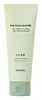
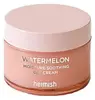
heimish Matcha Biome Oil-Free Calming Gel Moisturizer Versus heimish Watermelon Moisture Soothing Gel Cream
This calming moisturizer is formulated around Camellia Sinensis Leaf Extract and Niacinamide to calm redness and hydrate skin.
This calming moisturizer is formulated around Citrullus Lanatus Fruit Extract and Ceramide NP to calm redness and hydrate skin.

What's inside
What's inside
 Key Ingredients
Benefits
Concerns
Ingredients Side-by-side
Water
Skin ConditioningCamellia Sinensis Leaf Extract
Antimicrobial







Glycerin
Humectant

Butylene Glycol
Humectant
Dicaprylyl Ether
Emollient
Niacinamide
Smoothing



1,2-Hexanediol
Skin Conditioning
Pentylene Glycol
Skin Conditioning
Chlorella Vulgaris Extract
Skin ConditioningMelia Azadirachta Leaf Extract
Skin ConditioningMelia Azadirachta Flower Extract
Skin ConditioningCynanchum Atratum Extract
Skin ConditioningSaccharomyces Ferment
Skin Conditioning

Lactobacillus Ferment
Skin Conditioning
Theobroma Cacao Seed Extract
Antioxidant
Althaea Rosea Flower Extract
Skin ConditioningCentella Asiatica Leaf Extract
Skin Conditioning
Cryptomeria Japonica Leaf Extract
HumectantNelumbo Nucifera Leaf Extract
Skin ConditioningHydrogenated Polydecene
EmollientVinyldimethicone

Caprylyl Methicone
Skin Conditioning
Hydroxyethyl Acrylate/Sodium Acryloyldimethyl Taurate Copolymer
Emulsion StabilisingPanthenol
Skin Conditioning
Acrylates/C10-30 Alkyl Acrylate Crosspolymer
Emulsion StabilisingDimethiconol
Emollient
Sodium Polyacryloyldimethyl Taurate
Emulsion StabilisingGlucose
Humectant
Tromethamine
BufferingGlyceryl Acrylate/Acrylic Acid Copolymer
HumectantDipotassium Glycyrrhizate
Humectant
Fructooligosaccharides
Humectant
Fructose
Humectant
Ethylhexylglycerin
Skin ConditioningCitric Acid
Buffering
Sodium Phytate
ChelatingTocopherol
Antioxidant
Dextrin
AbsorbentDipropylene Glycol
HumectantMadecassoside
Antioxidant
Asiaticoside
Antioxidant
Madecassic Acid
Skin Conditioning
Asiatic Acid
Skin Conditioning
Xanthan Gum
EmulsifyingWater, Camellia Sinensis Leaf Extract, Glycerin, Butylene Glycol, Dicaprylyl Ether, Niacinamide, 1,2-Hexanediol, Pentylene Glycol, Chlorella Vulgaris Extract, Melia Azadirachta Leaf Extract, Melia Azadirachta Flower Extract, Cynanchum Atratum Extract, Saccharomyces Ferment, Lactobacillus Ferment, Theobroma Cacao Seed Extract, Althaea Rosea Flower Extract, Centella Asiatica Leaf Extract, Cryptomeria Japonica Leaf Extract, Nelumbo Nucifera Leaf Extract, Hydrogenated Polydecene, Vinyldimethicone, Caprylyl Methicone, Hydroxyethyl Acrylate/Sodium Acryloyldimethyl Taurate Copolymer, Panthenol, Acrylates/C10-30 Alkyl Acrylate Crosspolymer, Dimethiconol, Sodium Polyacryloyldimethyl Taurate, Glucose, Tromethamine, Glyceryl Acrylate/Acrylic Acid Copolymer, Dipotassium Glycyrrhizate, Fructooligosaccharides, Fructose, Ethylhexylglycerin, Citric Acid, Sodium Phytate, Tocopherol, Dextrin, Dipropylene Glycol, Madecassoside, Asiaticoside, Madecassic Acid, Asiatic Acid, Xanthan Gum
Water
Skin ConditioningCitrullus Lanatus Fruit Extract
Skin Conditioning
Glycerin
Humectant
Dimethicone
Emollient
Butylene Glycol
Humectant
Phenyl Trimethicone
Skin Conditioning
Sorbitol
Humectant
Moringa Oleifera Seed Oil
Emollient


Hamamelis Virginiana Leaf Extract
Skin Conditioning
Hydrangea Serrata Leaf Extract
Skin ConditioningAloe Barbadensis Flower Extract
EmollientCeramide NP
Skin Conditioning
Aloe Barbadensis Leaf Extract
Emollient
Sodium Hyaluronate
Humectant
Mel Extract
MoisturisingHedera Helix Leaf Extract
Skin ConditioningMorinda Citrifolia Leaf Extract
Skin ConditioningSolanum Melongena Fruit Extract
Skin ConditioningButyrospermum Parkii Butter
Skin Conditioning
Curcuma Longa Root Extract
Antioxidant
Coral Extract
Skin ConditioningOcimum Basilicum Leaf Extract
Skin ConditioningPhytosphingosine
Skin Conditioning
Glucose
Humectant
Tocopherol
Antioxidant
Hydrogenated Lecithin
Emulsifying
1,2-Hexanediol
Skin Conditioning
Trehalose
Humectant
Hydroxyacetophenone
Antioxidant
Acrylates/C10-30 Alkyl Acrylate Crosspolymer
Emulsion StabilisingTromethamine
BufferingAmmonium Acryloyldimethyltaurate/Vp Copolymer
Glyceryl Acrylate/Acrylic Acid Copolymer
HumectantCaprylyl Glycol
Emollient
Octyldecanol
Emollient
Water, Citrullus Lanatus Fruit Extract, Glycerin, Dimethicone, Butylene Glycol, Phenyl Trimethicone, Sorbitol, Moringa Oleifera Seed Oil, Hamamelis Virginiana Leaf Extract, Hydrangea Serrata Leaf Extract, Aloe Barbadensis Flower Extract, Ceramide NP, Aloe Barbadensis Leaf Extract, Sodium Hyaluronate, Mel Extract, Hedera Helix Leaf Extract, Morinda Citrifolia Leaf Extract, Solanum Melongena Fruit Extract, Butyrospermum Parkii Butter, Curcuma Longa Root Extract, Coral Extract, Ocimum Basilicum Leaf Extract, Phytosphingosine, Glucose, Tocopherol, Hydrogenated Lecithin, 1,2-Hexanediol, Trehalose, Hydroxyacetophenone, Acrylates/C10-30 Alkyl Acrylate Crosspolymer, Tromethamine, Ammonium Acryloyldimethyltaurate/Vp Copolymer, Glyceryl Acrylate/Acrylic Acid Copolymer, Caprylyl Glycol, Octyldecanol
Reviews
Ingredients Explained
These ingredients are found in both products.
Ingredients higher up in an ingredient list are typically present in a larger amount.
1,2-Hexanediol is a synthetic liquid and another multi-functional powerhouse.
It is a:
- Humectant, drawing moisture into the skin
- Emollient, helping to soften skin
- Solvent, dispersing and stabilizing formulas
- Preservative booster, enhancing the antimicrobial activity of other preservatives
Acrylates/C10-30 Alkyl Acrylate Crosspolymer is a synthetic polymer. It is used to thicken, emulsify, and improve the texture of products.
As an emulsifier, it helps stabilize oil-in-water emulsions to give products an elegant feel when applied.
It can also form a thin protective film on skin. One study found that a formula using this polymer helped slow down how quickly other ingredients (like DEET) were absorbed through skin.
A 2024 study of over 1,300 patients confirmed that sensitization to this ingredient is rare. It is also non-mutagenic and has a clean track record.
Learn more about Acrylates/C10-30 Alkyl Acrylate CrosspolymerButylene Glycol (or BG) is used within cosmetic products for a few different reasons:
Overall, Butylene Glycol is a safe and well-rounded ingredient that works well with other ingredients.
Though this ingredient works well with most skin types, some people with sensitive skin may experience a reaction such as allergic rashes, closed comedones, or itchiness.
Learn more about Butylene GlycolGlucose is a simple sugar (a monosaccharide). In skincare, it is mostly a humectant and skin conditioning agent.
Mechanistically, it has multiple hydroxyl groups that hydrogen-bond to water. This pulls moisture into the upper layers of skin to keep the surface soft and hydrated.
It's worth knowing sugars are already a natural component of the skin's NMF (natural moisturizing factor) so it's a molecule that your stratum corneum is well-acquainted with.
Just so you know, glucose is hydrophilic (water-loving) and the stratum corneum is a strong barrier to hydrophilic compounds. This just means penetration is slow and most of the action is happening on the surface.
Gram-to-gram, glucose is not as efficient as a humectant as glycerin. This is why you'll likely see glycose paired with stronger humectants for a bigger hydration payoff.
In skincare, glucose is typically derived from corn or other starch sources.
Learn more about GlucoseGlycerin (or glycerol) is a compound naturally found in your skin. It's a powerhouse humectant that pulls water into the stratum corneum.
Topically, glycerin does several things at once:
Your skin makes glycerin on its own (mostly from sebaceous oil breakdown) and shuttles it to your outermost layer of skin, or your epidermis, via aquaporin-3.
Aquaporin-3 is a transporter that is essential for normal skin hydration, elasticity, and repair. Interestingly, mice lacking in AQP3 have dry and less elastic skin that can be fully corrected with glycerin.
This ingredient is non-irritating, plays well with almost every ingredient, and works across all skin types. Typical use is anywhere between 3-10% but can go up to 79% in some leave-on products.
Just know very high concentrations (>40%) can feel tacky in low humidity.
Glycerin is the name for this ingredient in American English. British English uses Glycerol/Glycerine.
Learn more about GlycerinGlyceryl Acrylate/Acrylic Acid Copolymer is made up of glycerin and polyacrylic acid. It helps hydrate your skin as a humectant.
This ingredient forms a hydrogel that delivers moisturizing, water-based ingredients to the skin. It is also used to thicken a product and to give it a smooth texture.
Acrylic acid itself is toxic, but the polymer form (this ingredient) is too large to penetrate skin, making it non-toxic.
Learn more about Glyceryl Acrylate/Acrylic Acid CopolymerTocopherol is a fat-soluble antioxidant known as Vitamin E.
You'll find this ingredient in the vast majority of skincare (for good reason). It works to neutralize free radicals, or unstable molecules generated by UV exposure, pollution, and other environmental stressors, before they can cause oxidative damage to your skin cells.
Topically applied tocopherol has been shown to protect against UV damage by ramping up the skin's own natural defense enzymes.
It also acts as a skin conditioning agent; some studies show that regular topical use can improve the skin's water-binding capacity over 2-4 weeks.
This ingredient is especially loved for being a team player. When combined with Vitamin C, the photoprotective effect of both ingredients roughly doubles and the combo also helps reduce UV-induced DNA damage.
This ingredient has some brightening potential but it's more of a prevention ingredient than spot-fader. Cell studies show it can slow down melanin production but it's worth noting that it's not the most powerful brightener out there.
In formulations, it also serves as a stabilizer that helps protect other oxidation-prone ingredients from degrading.
Concentrations usually range from 0.1-1% in most leave-on products.
Learn more about TocopherolTromethamine (aka THAM) is a synthetic amino acid that shows up in skincare as a helper ingredient.
It functions as a pH adjuster to help neutralize acidic ingredients and set a formula's pH to the right spot.
This matters a lot because a lot of actives (like vitamin C) needs a specific pH to work well and feel comfortable on skin.
Concentration use ranges from 0.1-1.0% depending on the formula.
Learn more about TromethamineWater. It's the most common cosmetic ingredient of all. You'll usually see it at the top of ingredient lists, meaning that it makes up the largest part of the product.
So why is it so popular? Water most often acts as a solvent - this means that it helps dissolve other ingredients into the formulation.
You'll also recognize water as that liquid we all need to stay alive. If you see this, drink a glass of water. Remember to stay hydrated!
Learn more about Water

