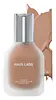
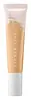
Haus Labs By Lady Gaga Triclone Skin Tech Medium Coverage Foundation with Fermented Arnica Versus Fenty Beauty Pro Filt'r Hydrating Longwear Foundation

What's inside
What's inside
 Key Ingredients
Benefits
Concerns
Ingredients Side-by-side
Water
Skin ConditioningDiphenylsiloxy Phenyl Trimethicone
Skin Conditioning
Phenyl Trimethicone
Skin Conditioning
Caprylyl Methicone
Skin Conditioning
Trimethylsiloxysilicate
Emollient
Propylene Glycol Dibenzoate
Skin ConditioningIsododecane
EmollientGlycerin
Humectant


Butylene Glycol
Humectant
Methyl Trimethicone
Skin Conditioning
Lauryl Polyglyceryl-3 Polydimethylsiloxyethyl Dimethicone
Skin Conditioning
C13-15 Alkane
SolventPolyglyceryl-3 Polydimethylsiloxyethyl Dimethicone
Skin Conditioning
Alcohol Denat.
Antimicrobial




Acrylates/Polytrimethylsiloxymethacrylate Copolymer
Skin ConditioningPolymethylsilsesquioxane
Sorbitan Sesquioleate
Emulsifying
Disteardimonium Hectorite
Stabilising1,2-Hexanediol
Skin Conditioning
Palmitoyl Tetrapeptide-10
Skin Conditioning
Arnica Montana Flower Extract
Masking
Hydrolyzed Hyaluronic Acid
Humectant

Squalane
Emollient
Pseudozyma Epicola/Camellia Sinensis Seed Oil Ferment Extract Filtrate
Humectant
Prunus Armeniaca Kernel Oil
Masking
Solanum Lycopersicum Fruit Extract
Antioxidant
Dunaliella Salina Extract
Skin ConditioningHedychium Coronarium Root Extract
MaskingTocopherol
Antioxidant



Althaea Rosea Flower Extract
Skin ConditioningTaraxacum Officinale Extract
Skin ConditioningPerilla Ocymoides Leaf Extract
TonicPanax Notoginseng Extract
Skin ConditioningGlycyrrhiza Glabra Root Extract
Bleaching
Chamomilla Recutita Extract
Skin Conditioning
Centella Asiatica Extract
Cleansing
Pseudozyma Epicola/Sunflower Seed Oil Ferment Extract Filtrate
Emulsion Stabilising
Caprylyl Glycol
Emollient
Ethylhexylglycerin
Skin ConditioningMagnesium Sulfate
Polypropylsilsesquioxane
Acrylates/Dimethicone Copolymer
Skin Conditioning
Triethoxycaprylylsilane
Dimethicone/Vinyl Dimethicone Crosspolymer
Skin Conditioning
Aluminum Hydroxide
EmollientCI 77891
Cosmetic ColorantCI 77491
Cosmetic ColorantWater, Diphenylsiloxy Phenyl Trimethicone, Phenyl Trimethicone, Caprylyl Methicone, Trimethylsiloxysilicate, Propylene Glycol Dibenzoate, Isododecane, Glycerin, Butylene Glycol, Methyl Trimethicone, Lauryl Polyglyceryl-3 Polydimethylsiloxyethyl Dimethicone, C13-15 Alkane, Polyglyceryl-3 Polydimethylsiloxyethyl Dimethicone, Alcohol Denat., Acrylates/Polytrimethylsiloxymethacrylate Copolymer, Polymethylsilsesquioxane, Sorbitan Sesquioleate, Disteardimonium Hectorite, 1,2-Hexanediol, Palmitoyl Tetrapeptide-10, Arnica Montana Flower Extract, Hydrolyzed Hyaluronic Acid, Squalane, Pseudozyma Epicola/Camellia Sinensis Seed Oil Ferment Extract Filtrate, Prunus Armeniaca Kernel Oil, Solanum Lycopersicum Fruit Extract, Dunaliella Salina Extract, Hedychium Coronarium Root Extract, Tocopherol, Althaea Rosea Flower Extract, Taraxacum Officinale Extract, Perilla Ocymoides Leaf Extract, Panax Notoginseng Extract, Glycyrrhiza Glabra Root Extract, Chamomilla Recutita Extract, Centella Asiatica Extract, Pseudozyma Epicola/Sunflower Seed Oil Ferment Extract Filtrate, Caprylyl Glycol, Ethylhexylglycerin, Magnesium Sulfate, Polypropylsilsesquioxane, Acrylates/Dimethicone Copolymer, Triethoxycaprylylsilane, Dimethicone/Vinyl Dimethicone Crosspolymer, Aluminum Hydroxide, CI 77891, CI 77491
Water
Skin ConditioningTalc
Abrasive
Phenyl Trimethicone
Skin Conditioning
C12-15 Alkyl Benzoate
AntimicrobialCaprylyl Methicone
Skin Conditioning
PEG-10 Dimethicone
Skin Conditioning
Trimethylsiloxyphenyl Dimethicone
Dimethicone
Emollient
Glycerin
Humectant
Isododecane
EmollientCetyl PEG/PPG-10/1 Dimethicone
Emulsifying
Dimethicone/Vinyl Dimethicone Crosspolymer
Skin Conditioning
Phenoxyethanol
Preservative
Sodium Chloride
MaskingHydrogen Dimethicone
Magnesium Sulfate
Sodium Dehydroacetate
Preservative
Potassium Sorbate
Preservative
Aluminum Hydroxide
EmollientDisteardimonium Hectorite
StabilisingBenzoic Acid
Masking
Sodium Hyaluronate
Humectant
Dehydroacetic Acid
Preservative
Propylene Carbonate
SolventParfum
Masking
Caprylic/Capric Triglyceride
Masking
Ethylhexylglycerin
Skin ConditioningVitis Vinifera Seed Oil
Emollient
Morus Alba Bark Extract
Skin ConditioningMethicone
Emollient
Triethoxycaprylylsilane
CI 77891
Cosmetic ColorantIron Oxides
Water, Talc, Phenyl Trimethicone, C12-15 Alkyl Benzoate, Caprylyl Methicone, PEG-10 Dimethicone, Trimethylsiloxyphenyl Dimethicone, Dimethicone, Glycerin, Isododecane, Cetyl PEG/PPG-10/1 Dimethicone, Dimethicone/Vinyl Dimethicone Crosspolymer, Phenoxyethanol, Sodium Chloride, Hydrogen Dimethicone, Magnesium Sulfate, Sodium Dehydroacetate, Potassium Sorbate, Aluminum Hydroxide, Disteardimonium Hectorite, Benzoic Acid, Sodium Hyaluronate, Dehydroacetic Acid, Propylene Carbonate, Parfum, Caprylic/Capric Triglyceride, Ethylhexylglycerin, Vitis Vinifera Seed Oil, Morus Alba Bark Extract, Methicone, Triethoxycaprylylsilane, CI 77891, Iron Oxides
Reviews
Ingredients Explained
These ingredients are found in both products.
Ingredients higher up in an ingredient list are typically present in a larger amount.
Aluminum Hydroxide is a form of aluminum. It can be naturally found in nature as the mineral gibbsite. In cosmetics, Aluminum Hydroxide is used as a colorant, pH adjuster, and absorbent.
As a colorant, Aluminum Hydroxide may add opacity, or reduce the transparency. Aluminum hydroxide is contains both basic and acidic properties.
According to manufacturers, this ingredient is an emollient and humectant. This means it helps hydrate the skin.
In medicine, this ingredient is used to help relieve heartburn and help heal ulcers.
There is currently no credible scientific evidence linking aluminum hydroxide in cosmetics to increased cancer risk.
Major health organizations allow the use of aluminum hydroxide in personal care products and have not flagged it as a carcinogenic risk at typical usage levels.
Learn more about Aluminum HydroxideCaprylyl Methicone is a synthetic and lightweight silicone fluid. It gives products a silky, dry-touch finish without the heaviness of pure oils.
Though the EU CosIng Database lists this ingredient as a skin conditioner, it is also used for sensory reasons. It spreads easily, cuts greasiness, and reduces tackiness.
This ingredient is volatile which means it will mostly evaporate (but it evaporates slower than older cyclomethicones, like Cyclotetrasiloxane).
Typical concentration ranges from 1-30% depending on if it's being used to tweak the feel of a product or acting as the main emollient.
Learn more about Caprylyl MethiconeCi 77891 is a white pigment from Titanium dioxide. It is naturally found in minerals such as rutile and ilmenite.
It's main function is to add a white color to cosmetics. It can also be mixed with other colors to create different shades.
Ci 77891 is commonly found in sunscreens due to its ability to block UV rays.
Learn more about CI 77891This ingredient is a silicone elastomer that works as a texture enhancer, adds a silky slip, and also helps absorb excess oil.
Because it's a large macromolecule that's insoluble in water and chemically inert, it's not expected to penetrate or be absorbed into skin.
Human patch tests with a facial lotion containing 1% of this ingredient found no sensitization.
Learn more about Dimethicone/Vinyl Dimethicone CrosspolymerDisteardimonium Hectorite comes from the clay mineral named hectorite. It is used to add thickness to a product.
It can also help stabilize a product by helping to disperse other ingredients.
Hectorite is a rare, white clay mineral.
Learn more about Disteardimonium HectoriteEthylhexylglycerin is created from glycerin. It is a multitasker ingredient that:
The CIR Expert Panel found minimal skin absorption or sensitization of any kind in a safety assessment. Though this ingredient is considered well-tolerated, a small number of cases of allergic dermatitis have been published since 2002. Just be sure to patch test if you are unsure.
Industry-reported use ranges from 8% in rinse-off products and 2% in leave-on formulations.
Learn more about EthylhexylglycerinGlycerin (or glycerol) is a compound naturally found in your skin. It's a powerhouse humectant that pulls water into the stratum corneum.
Topically, glycerin does several things at once:
Your skin makes glycerin on its own (mostly from sebaceous oil breakdown) and shuttles it to your outermost layer of skin, or your epidermis, via aquaporin-3.
Aquaporin-3 is a transporter that is essential for normal skin hydration, elasticity, and repair. Interestingly, mice lacking in AQP3 have dry and less elastic skin that can be fully corrected with glycerin.
This ingredient is non-irritating, plays well with almost every ingredient, and works across all skin types. Typical use is anywhere between 3-10% but can go up to 79% in some leave-on products.
Just know very high concentrations (>40%) can feel tacky in low humidity.
Glycerin is the name for this ingredient in American English. British English uses Glycerol/Glycerine.
Learn more about GlycerinIsododecane is a fragrance, emollient, and solvent.
As an emollient, it helps your skin stay soft and hydrated. Emollients help trap moisture into your skin.
Isododecane's role as a solvent makes it a great texture enhancer. It spreads smoothly on skin and does not leave a sticky feeling behind. Isododecane also helps prevent color transfer in makeup products.
Isododecane is not absorbed into skin.
The chemical name for this ingredient is 2,2,4,6,6-PENTAMETHYLHEPTANE.
Learn more about IsododecaneMagnesium Sulfate is a salt. More specifically, it is an epsom salt, or the bath salt used to help relieve muscle aches.
Despite having ‘sulfate’ in the name, it isn’t a surfactant or cleansing agent like sodium lauryl sulfate. Unlike those sulfates, magnesium sulfate doesn’t have the same cleansing or foaming properties (it's simply a type of salt).
In cosmetics, Magnesium Sulfate is used to thicken a product or help dilute other solids. It is a non-reactive and non-irritating ingredient.
One study shows magnesium deficiency may lead to inflammation of the skin. Applying magnesium topically may help reduce inflammation.
You can find this ingredient in sea water or mineral deposits.
Learn more about Magnesium SulfatePhenyl Trimethicone is a silicon-based polymer. It is derived from silica.
Phenyl Trimethicone is used as an emollient and prevents products from foaming.
As an emollient, it helps trap moisture in the skin. It is considered an occlusive.
Learn more about Phenyl TrimethiconeTriethoxycaprylylsilane is a silicon-based surface modifier that makes sunscreens feel silky and makeup stay put.
Its main job is to coat mineral particles like titanium dioxide, zinc oxide, and color pigments in a thin, oily layer so they spread smoothly, don't clump, and stick to skin better.
This ingredient is typically used at low levels (up to 2.5% in eyeshadow and 1% in lipstick).
Learn more about TriethoxycaprylylsilaneWater. It's the most common cosmetic ingredient of all. You'll usually see it at the top of ingredient lists, meaning that it makes up the largest part of the product.
So why is it so popular? Water most often acts as a solvent - this means that it helps dissolve other ingredients into the formulation.
You'll also recognize water as that liquid we all need to stay alive. If you see this, drink a glass of water. Remember to stay hydrated!
Learn more about Water

