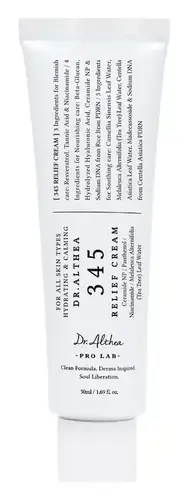
This barrier-repair day moisturizer is formulated around Helianthus Annuus Seed Oil and Niacinamide to strengthen the skin barrier and hydrate skin.
This cream cleanser uses mild cleansing ingredients, but contains alcohol that may feel drying for some.

What's inside
What's inside
 Key Ingredients
Benefits
Concerns
Ingredients Side-by-side
Water
Skin ConditioningCetyl Alcohol
Emollient



Glyceryl Stearate Se
Emulsifying


Cetearyl Alcohol
Emollient
Helianthus Annuus Seed Oil
Emollient

Heptyl Undecylenate
EmollientPropanediol
Solvent
Dicaprylyl Ether
Emollient
Niacinamide
Smoothing










Polyglyceryl-6 Distearate
Emulsifying
Glycerin
Humectant
Potassium Cetyl Phosphate
EmulsifyingGlyceryl Caprylate
EmollientJojoba Esters
Emollient
Fructose
Humectant
Polyglyceryl-3 Beeswax
Emulsifying
Sodium Benzoate
Masking
Xanthan Gum
EmulsifyingPotassium Sorbate
Preservative
Citric Acid
Buffering
Glyceryl Undecylenate
Emollient
Simmondsia Chinensis Seed Oil
Emollient
Echinacea Purpurea Extract
MoisturisingWithania Somnifera Root Extract
Skin Conditioning
Pelargonium Graveolens Oil
Masking



Ganoderma Lucidum Extract
Skin Protecting
Aloe Barbadensis Leaf Juice
Skin Conditioning
Tocopherol
Antioxidant

Myristyl Alcohol
Emollient
Stearyl Alcohol
Emollient
Potassium Phosphate
BufferingCedrus Atlantica Bark Oil
Masking
Maltodextrin
Absorbent
Moringa Oleifera Seed Extract
Skin Conditioning
Cananga Odorata Flower Oil
Masking
Camellia Sinensis Leaf Extract
Antimicrobial
Glycine Soja Oil
Emollient
Sodium Riboflavin Phosphate
Skin ConditioningPotassium Hydroxide
BufferingBixa Orellana Seed Oil
Emollient
CI 75120
Cosmetic ColorantCitronellol
Perfuming
Geraniol
Perfuming
Linalool
Perfuming
Benzyl Benzoate
Antimicrobial
Water, Cetyl Alcohol, Glyceryl Stearate Se, Cetearyl Alcohol, Helianthus Annuus Seed Oil, Heptyl Undecylenate, Propanediol, Dicaprylyl Ether, Niacinamide, Polyglyceryl-6 Distearate, Glycerin, Potassium Cetyl Phosphate, Glyceryl Caprylate, Jojoba Esters, Fructose, Polyglyceryl-3 Beeswax, Sodium Benzoate, Xanthan Gum, Potassium Sorbate, Citric Acid, Glyceryl Undecylenate, Simmondsia Chinensis Seed Oil, Echinacea Purpurea Extract, Withania Somnifera Root Extract, Pelargonium Graveolens Oil, Ganoderma Lucidum Extract, Aloe Barbadensis Leaf Juice, Tocopherol, Myristyl Alcohol, Stearyl Alcohol, Potassium Phosphate, Cedrus Atlantica Bark Oil, Maltodextrin, Moringa Oleifera Seed Extract, Cananga Odorata Flower Oil, Camellia Sinensis Leaf Extract, Glycine Soja Oil, Sodium Riboflavin Phosphate, Potassium Hydroxide, Bixa Orellana Seed Oil, CI 75120, Citronellol, Geraniol, Linalool, Benzyl Benzoate
Water
Skin ConditioningCamellia Oleifera Seed Oil
Skin Conditioning
Vitis Vinifera Seed Oil
Emollient
Cetearyl Olivate
Sorbitan Olivate
Emulsifying
Cetyl Alcohol
Emollient
Glycerin
Humectant
Olea Europaea Leaf Extract
Perfuming
Plantago Lanceolata Leaf Extract
AntimicrobialCitrus Aurantium Dulcis Peel Oil
Masking
Xanthan Gum
EmulsifyingCananga Odorata Flower Oil
Masking
Tocopherol
Antioxidant
Aloe Barbadensis Leaf Extract
Emollient
Achillea Millefolium Extract
CleansingAvena Sativa Kernel Extract
Abrasive
Zinc Oxide
Cosmetic Colorant

Pogostemon Cablin Leaf Oil
Masking
Santalum Spicata Wood Oil
Perfuming
Myroxylon Pereirae Oil
Masking
Niacinamide
Smoothing
Algae Extract
Emollient
Benzyl Alcohol
Perfuming
Sodium Phytate
ChelatingDehydroacetic Acid
Preservative
Citrus Paradisi Peel Oil
Masking
Linalool
Perfuming
Limonene
Perfuming
Benzyl Salicylate
Perfuming
Farnesol
Perfuming
Benzyl Benzoate
Antimicrobial
Water, Camellia Oleifera Seed Oil, Vitis Vinifera Seed Oil, Cetearyl Olivate, Sorbitan Olivate, Cetyl Alcohol, Glycerin, Olea Europaea Leaf Extract, Plantago Lanceolata Leaf Extract, Citrus Aurantium Dulcis Peel Oil, Xanthan Gum, Cananga Odorata Flower Oil, Tocopherol, Aloe Barbadensis Leaf Extract, Achillea Millefolium Extract, Avena Sativa Kernel Extract, Zinc Oxide, Pogostemon Cablin Leaf Oil, Santalum Spicata Wood Oil, Myroxylon Pereirae Oil, Niacinamide, Algae Extract, Benzyl Alcohol, Sodium Phytate, Dehydroacetic Acid, Citrus Paradisi Peel Oil, Linalool, Limonene, Benzyl Salicylate, Farnesol, Benzyl Benzoate
Reviews
Ingredients Explained
These ingredients are found in both products.
Ingredients higher up in an ingredient list are typically present in a larger amount.
Benzyl Benzoate is usually created from the condensation of benzoic acid and benzyl alcohol. It is used as a preservative, solvent, and has a floral/balsamic scent in large amounts.
As a preservative, Benzyl Benzoate works against bacteria and fungus. It is often used to treat scabies and lice in medicine.
Solvents are used to keep ingredients together in a product. They can help dissolve ingredients to stable bases or help evenly distribute ingredients throughout the product.
Due to its fragrance, Benzyl Benzoate can be sensitizing and may cause contact dermatitis. It is a known EU allergen. We recommend speaking with a professional if you have any concerns.
Benzyl Benzoate can be naturally found in cranberries and peaches.
Learn more about Benzyl BenzoateThis ingredient is also known as Ylang Ylang essential oil.
There are several grades of this oil according to when the flowers are obtained so the exact makeup varies by origin, grade, and extraction.
In cosmetics, its job is mostly sensory: it has a sweet, floral scent often used in perfume.
Chemically, it's complex mix of fragrant molecules: geraniol, limonene, linalool and benzyl benzoate.
Several of these components are on the EU's list of recognized fragrance allergens; this means they have to be labeled when present above 0.001% in leave-on products and 0.01% in rinse-off products.
This ingredient is a known contact sensitizer for a small amount of people so it's definitely worth patch-testing if your skin is reactive.
Lab studies have found the oils does have real antioxidant and antibacterial activity, but keep in mind these are in-vitro findings rather than proven skincare benefits.
Learn more about Cananga Odorata Flower OilCetyl Alcohol is a fatty alcohol. Fatty Alcohols are most often used as an emollient or to thicken a product.
Its main roles are:
Though it has "alcohol" in the name, it is not related to denatured alcohol or ethyl alcohol.
The FDA allows products labeled "alcohol-free" to have fatty alcohols.
This ingredient may not be fungal acne safe. It is a primary fatty alcohol with a chain length above 12 carbons. A study from 2019 show Malassezia can feed on fatty alcohols in this range, so it may trigger fungal acne in those prone to it.
Learn more about Cetyl AlcoholGlycerin (or glycerol) is a compound naturally found in your skin. It's a powerhouse humectant that pulls water into the stratum corneum.
Topically, glycerin does several things at once:
Your skin makes glycerin on its own (mostly from sebaceous oil breakdown) and shuttles it to your outermost layer of skin, or your epidermis, via aquaporin-3.
Aquaporin-3 is a transporter that is essential for normal skin hydration, elasticity, and repair. Interestingly, mice lacking in AQP3 have dry and less elastic skin that can be fully corrected with glycerin.
This ingredient is non-irritating, plays well with almost every ingredient, and works across all skin types. Typical use is anywhere between 3-10% but can go up to 79% in some leave-on products.
Just know very high concentrations (>40%) can feel tacky in low humidity.
Glycerin is the name for this ingredient in American English. British English uses Glycerol/Glycerine.
Learn more about GlycerinLinalool is a small, naturally occurring scent molecule found in plants like lavender, coriander, bergamot, and more.
It is one of the two most-used fragrance ingredients in cosmetics and added purely for smell. Since it's not used for a skin benefit, there's no "effective dose". Concentration depends on the fragrance load of the product.
The EU requires it to be named on the label above 0.001% in leave-on and 0.01% in rinse-off products.
Fresh linalool is a weak sensitizer but air exposure turns some of it into hydroperoxides, which are strong sensitizers. Those oxidation products are the actual allergy concern.
Patch-test clinics see positive reactions to linalool hydroperoxides in about 4% to 12% of dermatitis patients depending on country and test concentration.
Resassuringly, one analytical study found hydroperoxide levels in real fragranced products to be orders of magnitude below what induced sensitization in animal studies with no evidence of oxidation building up during normal storage.
The practical takeaway is that linalool is fine for most people but worth avoiding if you have a confirmed fragrance contact allergy or a badly compromised barrier.
Products stored a long time after opening are also the high-risk scenario since that is when oxidation happens.
The scent of linalool is described as floral, spicy tropical, and citrus-like.
Learn more about LinaloolNiacinamide is a multitasking form of vitamin B3 that strengthens the skin barrier, reduces pores and dark spots, regulates oil, and improves signs of aging.
And the best part? It's gentle and well-tolerated by most skin types, including sensitive and reactive skin.
You might have heard of "niacin flush", or the reddening of skin that causes itchiness. Niacinamide has not been found to cause this.
In very rare cases, some individuals may not be able to tolerate niacinamide at all or experience an allergic reaction to it.
If you are experiencing flaking, irritation, and dryness with this ingredient, be sure to double check all your products as this ingredient can be found in all categories of skincare.
When incorporating niacinamide into your routine, look out for concentration amounts. Typically, 5% niacinamide provides benefits such as fading dark spots. However, if you have sensitive skin, it is better to begin with a smaller concentration.
When you apply niacinamide to your skin, your body converts it into nicotinamide adenine dinucleotide (NAD). NAD is an essential coenzyme that is already found in your cells as "fuel" and powers countless biological processes.
In your skin, NAD helps repair cell damage, produce new healthy cells, support collagen production, strengthen the skin barrier, and fight environmental stressors (like UV and pollution).
Our natural NAD levels start to decline with age, leading to slower skin repair, visible aging, and a weaker skin barrier. By providing your skin niacinamide, you're recharging your skin's NAD levels. This leads to stronger, healthier, and younger looking skin.
Another name for vitamin B3 is nicotinamide. This vitamin is water-soluble and our bodies don't store it. We obtain Vitamin B3 from either food or skincare. Meat, fish, wheat, yeast, and leafy greens contain vitamin B3.
The type of niacinamide used in skincare is synthetically created.
Learn more about NiacinamideTocopherol is a fat-soluble antioxidant known as Vitamin E.
You'll find this ingredient in the vast majority of skincare (for good reason). It works to neutralize free radicals, or unstable molecules generated by UV exposure, pollution, and other environmental stressors, before they can cause oxidative damage to your skin cells.
Topically applied tocopherol has been shown to protect against UV damage by ramping up the skin's own natural defense enzymes.
It also acts as a skin conditioning agent; some studies show that regular topical use can improve the skin's water-binding capacity over 2-4 weeks.
This ingredient is especially loved for being a team player. When combined with Vitamin C, the photoprotective effect of both ingredients roughly doubles and the combo also helps reduce UV-induced DNA damage.
This ingredient has some brightening potential but it's more of a prevention ingredient than spot-fader. Cell studies show it can slow down melanin production but it's worth noting that it's not the most powerful brightener out there.
In formulations, it also serves as a stabilizer that helps protect other oxidation-prone ingredients from degrading.
Concentrations usually range from 0.1-1% in most leave-on products.
Learn more about TocopherolWater. It's the most common cosmetic ingredient of all. You'll usually see it at the top of ingredient lists, meaning that it makes up the largest part of the product.
So why is it so popular? Water most often acts as a solvent - this means that it helps dissolve other ingredients into the formulation.
You'll also recognize water as that liquid we all need to stay alive. If you see this, drink a glass of water. Remember to stay hydrated!
Learn more about WaterXanthan gum is used as a stabilizer and thickener within cosmetic products. It helps give products a sticky, thick feeling - preventing them from being too runny.
On the technical side of things, xanthan gum is a polysaccharide - a combination consisting of multiple sugar molecules bonded together.
Xanthan gum is a pretty common and great ingredient. It is a natural, non-toxic, non-irritating ingredient that is also commonly used in food products.
Learn more about Xanthan Gum