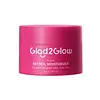
This anti-aging moisturizer is formulated around Niacinamide and Retinol to soften the look of wrinkles and refine skin texture.
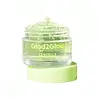
This calming moisturizer is formulated around Centella Asiatica Leaf Extract and Allantoin to calm redness and strengthen the skin barrier.

What's inside
What's inside
 Key Ingredients
Benefits
Concerns
Ingredients Side-by-side
Water
Skin ConditioningDimethicone
Emollient

Hydroxyethyl Urea
Humectant
Glycerin
Humectant
Isododecane
EmollientNiacinamide
Smoothing









Glycereth-26
Humectant
Trehalose
Humectant
Butylene Glycol
Humectant
Allantoin
Skin Conditioning
Phenoxyethanol
Preservative
Acrylates/C10-30 Alkyl Acrylate Crosspolymer
Emulsion StabilisingTromethamine
BufferingPolyglyceryl-6 Distearate
Emulsifying

Hydrogenated Lecithin
Emulsifying
Retinol
Skin Conditioning

Dimethiconol
Emollient
Methylparaben
Preservative


Prunus Persica Fruit Extract
Abrasive
Polyacrylate Crosspolymer-6
Emulsion StabilisingCarbomer
Emulsion StabilisingJojoba Esters
Emollient
Hexyldecanol
Emollient
Glyceryl Glucoside
Humectant
Ammonium Acryloyldimethyltaurate/Vp Copolymer
Ethylhexylglycerin
Skin ConditioningCetyl Alcohol
Emollient
Polyglyceryl-3 Beeswax
Emulsifying
Ceramide NP
Skin Conditioning
Propanediol
Solvent
Pentylene Glycol
Skin Conditioning
Cholesterol
Emollient
Avena Sativa Kernel Extract
Abrasive
Aroma


Chlorella Vulgaris Extract
Skin ConditioningLactic Acid
Buffering
Centella Asiatica Flower/Leaf/Stem Extract
Skin Conditioning
Matrine
Antioxidant
Ectoin
Skin Conditioning
Hydroxypinacolone Retinoate
Skin Conditioning
Hydroxyethylpiperazine Ethane Sulfonic Acid
BufferingAdenosine
Skin Conditioning
CI 19140
Cosmetic ColorantWater, Dimethicone, Hydroxyethyl Urea, Glycerin, Isododecane, Niacinamide, Glycereth-26, Trehalose, Butylene Glycol, Allantoin, Phenoxyethanol, Acrylates/C10-30 Alkyl Acrylate Crosspolymer, Tromethamine, Polyglyceryl-6 Distearate, Hydrogenated Lecithin, Retinol, Dimethiconol, Methylparaben, Prunus Persica Fruit Extract, Polyacrylate Crosspolymer-6, Carbomer, Jojoba Esters, Hexyldecanol, Glyceryl Glucoside, Ammonium Acryloyldimethyltaurate/Vp Copolymer, Ethylhexylglycerin, Cetyl Alcohol, Polyglyceryl-3 Beeswax, Ceramide NP, Propanediol, Pentylene Glycol, Cholesterol, Avena Sativa Kernel Extract, Aroma, Chlorella Vulgaris Extract, Lactic Acid, Centella Asiatica Flower/Leaf/Stem Extract, Matrine, Ectoin, Hydroxypinacolone Retinoate, Hydroxyethylpiperazine Ethane Sulfonic Acid, Adenosine, CI 19140
Water
Skin ConditioningCentella Asiatica Leaf Extract
Skin Conditioning
Methyl Gluceth-10
EmulsifyingPropylene Glycol
Humectant
Butylene Glycol
Humectant
1,2-Hexanediol
Skin Conditioning
Hydroxyacetophenone
Antioxidant
Acrylates/C10-30 Alkyl Acrylate Crosspolymer
Emulsion StabilisingGlycerin
Humectant
Allantoin
Skin Conditioning
Aminomethyl Propanol
BufferingPentylene Glycol
Skin Conditioning
Hamamelis Virginiana Extract
Antiseborrhoeic
Gentiana Scabra Root Extract
Skin ConditioningMenthyl Lactate
Masking
Ethyl Menthane Carboxamide
TonicHydroxyphenyl Propamidobenzoic Acid
Skin ConditioningPanthenol
Skin Conditioning
Royal Jelly
Castanea Sativa Seed Extract
Skin ConditioningHelianthus Annuus Seed Extract
Skin Conditioning
Viola Tricolor Extract
EmollientGlycyrrhiza Inflata Root Extract
Skin Conditioning
Salix Alba Bark Extract
Astringent
Scutellaria Baicalensis Root Extract
Astringent
Sea Water
HumectantGlycine Soja Seed Extract
Skin Conditioning
Secale Cereale Seed Extract
Abrasive
Ectoin
Skin Conditioning
Sophora Flavescens Root Extract
Antioxidant
Fomes Officinalis Extract
Skin ProtectingPyrus Cydonia Seed Extract
MaskingHibiscus Abelmoschus Seed Extract
Masking
Ascorbyl Palmitate
Antioxidant
Panicum Miliaceum Seed Extract
Skin ConditioningPEG-40 Hydrogenated Castor Oil
Emulsifying
PPG-26-Buteth-26
Skin ConditioningDisodium EDTA
ChelatingMethyl Diisopropyl Propionamide
MaskingCaprylyl Glycol
Emollient
Parfum
Masking
Bis-Ethoxydiglycol Cyclohexane 1,4-Dicarboxylate
EmollientXanthan Gum
EmulsifyingWater, Centella Asiatica Leaf Extract, Methyl Gluceth-10, Propylene Glycol, Butylene Glycol, 1,2-Hexanediol, Hydroxyacetophenone, Acrylates/C10-30 Alkyl Acrylate Crosspolymer, Glycerin, Allantoin, Aminomethyl Propanol, Pentylene Glycol, Hamamelis Virginiana Extract, Gentiana Scabra Root Extract, Menthyl Lactate, Ethyl Menthane Carboxamide, Hydroxyphenyl Propamidobenzoic Acid, Panthenol, Royal Jelly, Castanea Sativa Seed Extract, Helianthus Annuus Seed Extract, Viola Tricolor Extract, Glycyrrhiza Inflata Root Extract, Salix Alba Bark Extract, Scutellaria Baicalensis Root Extract, Sea Water, Glycine Soja Seed Extract, Secale Cereale Seed Extract, Ectoin, Sophora Flavescens Root Extract, Fomes Officinalis Extract, Pyrus Cydonia Seed Extract, Hibiscus Abelmoschus Seed Extract, Ascorbyl Palmitate, Panicum Miliaceum Seed Extract, PEG-40 Hydrogenated Castor Oil, PPG-26-Buteth-26, Disodium EDTA, Methyl Diisopropyl Propionamide, Caprylyl Glycol, Parfum, Bis-Ethoxydiglycol Cyclohexane 1,4-Dicarboxylate, Xanthan Gum
Reviews
Ingredients Explained
These ingredients are found in both products.
Ingredients higher up in an ingredient list are typically present in a larger amount.
Acrylates/C10-30 Alkyl Acrylate Crosspolymer is a synthetic polymer. It is used to thicken, emulsify, and improve the texture of products.
As an emulsifier, it helps stabilize oil-in-water emulsions to give products an elegant feel when applied.
It can also form a thin protective film on skin. One study found that a formula using this polymer helped slow down how quickly other ingredients (like DEET) were absorbed through skin.
A 2024 study of over 1,300 patients confirmed that sensitization to this ingredient is rare. It is also non-mutagenic and has a clean track record.
Learn more about Acrylates/C10-30 Alkyl Acrylate CrosspolymerAllantoin is a soothing ingredient known for its protective and moisturizing properties; it's basically a quiet workhorse ingredient you can find in a huge range of cosmetics.
Though it can be derived from the comfrey plant, allantoin is produced synthetically for cosmetic products to ensure purity.
Research shows it can encourage your skin cells to turn over and renew by stimulating keratinocyte and fibroblast proliferation.
It also has mild keratolytic properties to help loosen and shed dead skin cells without being harsh.
Studies also suggest allantoin can help calm inflammation by dialing down some of the chemical signals your skin sends out when it is irritated.
This ingredient is typically used in the 0.1-0.5% range, and the FDA recognizes it as a skin protectant in OTC products up to 2%.
Overall, allantoin is a wonderful addition to most routines; it is stable across a wide pH range (~4-8), works well with other ingredients, and is considered non-sensitizing/non-irritating.
Fun fact: Allantoin is naturally occurring in comfrey root, beets, chamomile, and wheat sprouts. Our bodies even produce it as a byproduct of uric acid metabolism.
Learn more about AllantoinButylene Glycol (or BG) is used within cosmetic products for a few different reasons:
Overall, Butylene Glycol is a safe and well-rounded ingredient that works well with other ingredients.
Though this ingredient works well with most skin types, some people with sensitive skin may experience a reaction such as allergic rashes, closed comedones, or itchiness.
Learn more about Butylene GlycolEctoin is a compound found naturally in some species of bacteria. It can be synthetically created for skincare use.
This ingredient is an osmolyte; Osmolytes help organisms survive osmotic shock (it protects them from extreme conditions). It does this by influencing the properties of biological fluids within cells.
When applied to the skin, ectoin helps bind water molecules to protect our skin. The water forms a sort of armor for the parts of our skin cells, enzymes, proteins, and more.
Besides this, ectoin has many uses in skincare:
A study from 2004 found ectoin to counteract the damage from UV-A exposure at different cell levels. It has also been shown to protect skin against both UV-A, UV-B rays, infrared light, and visible light.
Studies show ectoin to have dual-action pollution protection: first, it protects our skin from further pollution damage. Second, it helps repair damage from pollution.
In fact, ectoin has been shown to help with:
Fun fact: In the EU, ectoin is used in inhalation medication as an anti-pollution ingredient.
Ectoin is a highly stable ingredient. It has a wide pH range of 1-9. Light, oxygen, and temperature do not affect this ingredient.
The chemical name for this ingredient is Tetrahydromethylpyrimidine Carboxylic Acid.
Learn more about EctoinGlycerin (or glycerol) is a compound naturally found in your skin. It's a powerhouse humectant that pulls water into the stratum corneum.
Topically, glycerin does several things at once:
Your skin makes glycerin on its own (mostly from sebaceous oil breakdown) and shuttles it to your outermost layer of skin, or your epidermis, via aquaporin-3.
Aquaporin-3 is a transporter that is essential for normal skin hydration, elasticity, and repair. Interestingly, mice lacking in AQP3 have dry and less elastic skin that can be fully corrected with glycerin.
This ingredient is non-irritating, plays well with almost every ingredient, and works across all skin types. Typical use is anywhere between 3-10% but can go up to 79% in some leave-on products.
Just know very high concentrations (>40%) can feel tacky in low humidity.
Glycerin is the name for this ingredient in American English. British English uses Glycerol/Glycerine.
Learn more about GlycerinPentylene Glycol (1,2-pentanediol) is a multitasking little diol with three main roles in a formula:
Research on alkanediols (the family pentylene glycol belongs to) show they work by disrupting microbial cell membranes. This disruption helps the primary preservative system in a product work more effectively at lower doses.
On the safety side, the Cosmetic Ingredient Review Expert Panel has concluded this ingredient to be safe as used in current cosmetic practices + concentrations.
Typical use levels in a formula run about 1-5%.
Learn more about Pentylene GlycolWater. It's the most common cosmetic ingredient of all. You'll usually see it at the top of ingredient lists, meaning that it makes up the largest part of the product.
So why is it so popular? Water most often acts as a solvent - this means that it helps dissolve other ingredients into the formulation.
You'll also recognize water as that liquid we all need to stay alive. If you see this, drink a glass of water. Remember to stay hydrated!
Learn more about Water

