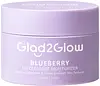
This barrier-repair moisturizer is formulated around Ceramide EOP and Centella Asiatica Leaf Extract to strengthen the skin barrier and hydrate skin.


What's inside
What's inside
 Key Ingredients
No key ingredients
Benefits
Concerns
Ingredients Side-by-side
Water
Skin ConditioningGlycerin
Humectant


Butylene Glycol
Humectant
Hydrogenated Polyisobutene
EmollientPropylene Glycol Dicaprylate/Dicaprate
EmollientCyclopentasiloxane
Emollient
Ceramide EOP
Skin Conditioning



Ceramide AP
Skin Conditioning
Ceramide Ns
Skin Conditioning
Ceramide Ng
Skin Conditioning
Ceramide As
Skin Conditioning
Sodium Hyaluronate
Humectant
Centella Asiatica Leaf Extract
Skin Conditioning
Ammonium Acryloyldimethyltaurate/Vp Copolymer
Hydroxyacetophenone
Antioxidant
Betaine
Humectant
Cyclohexasiloxane
Emollient
Allantoin
Skin Conditioning
Tridecyl Trimellitate
EmollientHydroxyethyl Acrylate/Sodium Acryloyldimethyl Taurate Copolymer
Emulsion StabilisingSqualane
Emollient
Trehalose
Humectant
Sophora Flavescens Root Extract
Antioxidant
Opuntia Ficus-Indica Stem Extract
Skin Conditioning
Ophiopogon Japonicus Root Extract
Skin ConditioningPentylene Glycol
Skin Conditioning
Panicum Miliaceum Seed Extract
Skin ConditioningHibiscus Abelmoschus Seed Extract
Masking
Pyrus Cydonia Seed Extract
MaskingSecale Cereale Seed Extract
Abrasive
Glycine Soja Seed Extract
Skin Conditioning
Tocopherol
Antioxidant

Ceramide NP
Skin Conditioning
Castanea Sativa Seed Extract
Skin ConditioningVaccinium Angustifolium Fruit Extract
Skin Protecting
Helianthus Annuus Seed Extract
Skin Conditioning
Maltodextrin
Absorbent
Gentiana Scabra Extract
HumectantHydrogenated Lecithin
Emulsifying
Dimethiconol
Emollient
1,2-Hexanediol
Skin Conditioning
Polysorbate 60
Emulsifying

Sorbitan Isostearate
Emulsifying
Xanthan Gum
EmulsifyingDisodium EDTA
ChelatingWater, Glycerin, Butylene Glycol, Hydrogenated Polyisobutene, Propylene Glycol Dicaprylate/Dicaprate, Cyclopentasiloxane, Ceramide EOP, Ceramide AP, Ceramide Ns, Ceramide Ng, Ceramide As, Sodium Hyaluronate, Centella Asiatica Leaf Extract, Ammonium Acryloyldimethyltaurate/Vp Copolymer, Hydroxyacetophenone, Betaine, Cyclohexasiloxane, Allantoin, Tridecyl Trimellitate, Hydroxyethyl Acrylate/Sodium Acryloyldimethyl Taurate Copolymer, Squalane, Trehalose, Sophora Flavescens Root Extract, Opuntia Ficus-Indica Stem Extract, Ophiopogon Japonicus Root Extract, Pentylene Glycol, Panicum Miliaceum Seed Extract, Hibiscus Abelmoschus Seed Extract, Pyrus Cydonia Seed Extract, Secale Cereale Seed Extract, Glycine Soja Seed Extract, Tocopherol, Ceramide NP, Castanea Sativa Seed Extract, Vaccinium Angustifolium Fruit Extract, Helianthus Annuus Seed Extract, Maltodextrin, Gentiana Scabra Extract, Hydrogenated Lecithin, Dimethiconol, 1,2-Hexanediol, Polysorbate 60, Sorbitan Isostearate, Xanthan Gum, Disodium EDTA
Water
Skin ConditioningGlycerin
Humectant
Paraffinum Liquidum
Emollient


Butylene Glycol
Humectant
Coix Lacryma-Jobi Ma-Yuen Seed Extract
Skin ConditioningBetaine
Humectant
Cholesteryl/Octyldodecyl Lauroyl Glutamate
Skin ConditioningHydroxyethyl Acrylate/Sodium Acryloyldimethyl Taurate Copolymer
Emulsion StabilisingAcrylates/C10-30 Alkyl Acrylate Crosspolymer
Emulsion StabilisingPolyglyceryl-10 Eicosanedioate/Tetradecanedioate
Skin ConditioningPEG-150
HumectantSodium Hydroxide
BufferingSorbitan Isostearate
Emulsifying
Isohexadecane
EmollientStearic Acid
Cleansing
Sucrose Stearate
EmollientSorbitan Sesquioleate
Emulsifying
Sodium Palmoyl Glutamate
CleansingBehenyl Alcohol
Emollient
Polysorbate 60
Emulsifying
Methyl Gluceth-10
EmulsifyingMethylparaben
Preservative



Water, Glycerin, Paraffinum Liquidum, Butylene Glycol, Coix Lacryma-Jobi Ma-Yuen Seed Extract, Betaine, Cholesteryl/Octyldodecyl Lauroyl Glutamate, Hydroxyethyl Acrylate/Sodium Acryloyldimethyl Taurate Copolymer, Acrylates/C10-30 Alkyl Acrylate Crosspolymer, Polyglyceryl-10 Eicosanedioate/Tetradecanedioate, PEG-150, Sodium Hydroxide, Sorbitan Isostearate, Isohexadecane, Stearic Acid, Sucrose Stearate, Sorbitan Sesquioleate, Sodium Palmoyl Glutamate, Behenyl Alcohol, Polysorbate 60, Methyl Gluceth-10, Methylparaben
Reviews
Ingredients Explained
These ingredients are found in both products.
Ingredients higher up in an ingredient list are typically present in a larger amount.
Betaine is a humectant. Like hyaluronic acid, it helps attract and retain moisture in the skin. It’s known for being gentle and for helping the skin maintain balanced hydration.
Betaine is mainly used to improve hydration and support calmer skin. It helps skin cells regulate water balance because it functions as an osmolyte.
Some studies suggest betaine may support making skin tone more even.
Fun fact: Betaine naturally exists in the skin and the body. In cosmetic products, it can be either plant-derived (most commonly from sugar beets) or synthetically produced for consistency and stability.
Betaine is also known as trimethylglycine.
Learn more about BetaineButylene Glycol (or BG) is used within cosmetic products for a few different reasons:
Overall, Butylene Glycol is a safe and well-rounded ingredient that works well with other ingredients.
Though this ingredient works well with most skin types, some people with sensitive skin may experience a reaction such as allergic rashes, closed comedones, or itchiness.
Learn more about Butylene GlycolGlycerin (or glycerol) is a compound naturally found in your skin. It's a powerhouse humectant that pulls water into the stratum corneum.
Topically, glycerin does several things at once:
Your skin makes glycerin on its own (mostly from sebaceous oil breakdown) and shuttles it to your outermost layer of skin, or your epidermis, via aquaporin-3.
Aquaporin-3 is a transporter that is essential for normal skin hydration, elasticity, and repair. Interestingly, mice lacking in AQP3 have dry and less elastic skin that can be fully corrected with glycerin.
This ingredient is non-irritating, plays well with almost every ingredient, and works across all skin types. Typical use is anywhere between 3-10% but can go up to 79% in some leave-on products.
Just know very high concentrations (>40%) can feel tacky in low humidity.
Glycerin is the name for this ingredient in American English. British English uses Glycerol/Glycerine.
Learn more about GlycerinThis is a synthetic polymer. It helps improve the texture of products by adding thickness and gel-like feel.
It is also an emulsifer, meaning it prevents ingredients such as oil and water from separating. It also helps evenly disperse other ingredients.
Polysorbate 60 is used to help stabilize products. It is a surfactant and emulsifier. These properties help keep ingredients together in a product. Surfactants help reduce surface tension between ingredients with different states, such as liquids and solids. Emulsifiers help prevent oils and waters from separating.
Polysorbate 60 is sorbitol-based and created from the ethoxylation of sorbitan. Ethoxylation is a chemical reaction used to add ethylene oxide. Sorbitan is a the dehydrated version of sorbitol, a sugar found in fruits.
In this case, the 60 comes from reacting 60 units of ethylene oxide with sorbitan.
Polysorbates are commonly used in medicine and foods.
Learn more about Polysorbate 60Sorbitan Isostearate is an emulsifer. It is created from isostearic acid and sorbitol.
As an emulsifier, it keeps the water and oil ingredients from separating. This keeps formulas stable and smooth.
In a 24 hour occlusive patch test on 56 subjects, 10% sorbitan isostearate was completely non-irritating. Most formulas use less than 10%.
Because it's a fatty acid ester, it may not be fungal acne safe since the Malassezia yeast can utilize it as a nutrient source.
Learn more about Sorbitan IsostearateWater. It's the most common cosmetic ingredient of all. You'll usually see it at the top of ingredient lists, meaning that it makes up the largest part of the product.
So why is it so popular? Water most often acts as a solvent - this means that it helps dissolve other ingredients into the formulation.
You'll also recognize water as that liquid we all need to stay alive. If you see this, drink a glass of water. Remember to stay hydrated!
Learn more about Water

