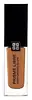
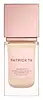
Givenchy Prisme Libre Skin-Caring Glow Hydrating Foundation Versus Patrick Ta Major Skin Hydra-Luxe Luminous Skin Perfecting Foundation


What's inside
What's inside
 Key Ingredients
Benefits
Concerns
Ingredients Side-by-side
Water
Skin ConditioningC9-12 Alkane
SolventCoco-Caprylate/Caprate
Emollient
Propanediol
Solvent

Polyglyceryl-6 Polyricinoleate
Emulsifying

Polyglyceryl-2 Isostearate
Emulsifying
Glycerin
Humectant
Pentylene Glycol
Skin Conditioning
Sorbitan Sesquiisostearate
Emulsifying
Disteardimonium Hectorite
StabilisingSodium Chloride
MaskingHydroxyacetophenone
Antioxidant
Ethylhexylglycerin
Skin ConditioningSodium Myristoyl Glutamate
CleansingParfum
Masking



Potassium Sorbate
Preservative
Mica
Cosmetic ColorantTropaeolum Majus Flower/Leaf/Stem Extract
Skin ConditioningAluminum Hydroxide
EmollientCaprylic/Capric Triglyceride
Masking
Polyhydroxystearic Acid
Emulsifying
Tocopherol
Antioxidant




1,2-Hexanediol
Skin Conditioning
Caprylyl Glycol
Emollient
Citric Acid
Buffering
Isostearic Acid
Cleansing
Lecithin
Emollient
Polyglyceryl-3 Polyricinoleate
Emulsifying
CI 77891
Cosmetic ColorantCI 77492
Cosmetic ColorantCI 77499
Cosmetic ColorantCI 77491
Cosmetic ColorantWater, C9-12 Alkane, Coco-Caprylate/Caprate, Propanediol, Polyglyceryl-6 Polyricinoleate, Polyglyceryl-2 Isostearate, Glycerin, Pentylene Glycol, Sorbitan Sesquiisostearate, Disteardimonium Hectorite, Sodium Chloride, Hydroxyacetophenone, Ethylhexylglycerin, Sodium Myristoyl Glutamate, Parfum, Potassium Sorbate, Mica, Tropaeolum Majus Flower/Leaf/Stem Extract, Aluminum Hydroxide, Caprylic/Capric Triglyceride, Polyhydroxystearic Acid, Tocopherol, 1,2-Hexanediol, Caprylyl Glycol, Citric Acid, Isostearic Acid, Lecithin, Polyglyceryl-3 Polyricinoleate, CI 77891, CI 77492, CI 77499, CI 77491
Water
Skin ConditioningGlycerin
Humectant
Isononyl Isononanoate
EmollientPropanediol
Solvent
Dicaprylyl Ether
Emollient
Squalane
Emollient
Pentaerythrityl Tetraisostearate
Emollient
Hydrogenated Styrene/Methylstyrene/Indene Copolymer
Hydrogenated Ethylhexyl Olivate
EmollientPolyglyceryl-6 Polyricinoleate
Emulsifying
Polyglyceryl-2 Dipolyhydroxystearate
Skin Conditioning
Isostearyl Neopentanoate
Emollient
C9-12 Alkane
SolventDimer Dilinoleyl Dimer Dilinoleate
EmollientPolyglyceryl-2 Isostearate
Emulsifying
Pvp
Emulsion StabilisingLauroyl Lysine
Skin Conditioning
Dipalmitoyl Hydroxyproline
Skin Conditioning
Myristyl Myristate
Emollient
Magnesium Sulfate
Disteardimonium Hectorite
StabilisingLecithin
Emollient
Phenoxyethanol
Preservative
Propylene Carbonate
SolventZinc Stearate
Cosmetic ColorantOctyldodecyl Stearoyl Stearate
Emollient
Hydrogenated Lecithin
Emulsifying
Butyrospermum Parkii Butter
Skin Conditioning
Sodium Benzoate
Masking
Saccharomyces/Xylinum/Black Tea Ferment
Skin Conditioning
Distarch Phosphate
AbsorbentAllantoin
Skin Conditioning
Hydrogenated Olive Oil Unsaponifiables
Emollient
Coco-Caprylate/Caprate
Emollient
Tocopherol
Antioxidant
Sodium Hyaluronate
Humectant
Sodium Dehydroacetate
Preservative
Helianthus Annuus Seed Oil
Emollient
Pentaerythrityl Tetra-Di-T-Butyl Hydroxyhydrocinnamate
Antioxidant
Potassium Sorbate
Preservative
CI 77891
Cosmetic ColorantIron Oxides
Water, Glycerin, Isononyl Isononanoate, Propanediol, Dicaprylyl Ether, Squalane, Pentaerythrityl Tetraisostearate, Hydrogenated Styrene/Methylstyrene/Indene Copolymer, Hydrogenated Ethylhexyl Olivate, Polyglyceryl-6 Polyricinoleate, Polyglyceryl-2 Dipolyhydroxystearate, Isostearyl Neopentanoate, C9-12 Alkane, Dimer Dilinoleyl Dimer Dilinoleate, Polyglyceryl-2 Isostearate, Pvp, Lauroyl Lysine, Dipalmitoyl Hydroxyproline, Myristyl Myristate, Magnesium Sulfate, Disteardimonium Hectorite, Lecithin, Phenoxyethanol, Propylene Carbonate, Zinc Stearate, Octyldodecyl Stearoyl Stearate, Hydrogenated Lecithin, Butyrospermum Parkii Butter, Sodium Benzoate, Saccharomyces/Xylinum/Black Tea Ferment, Distarch Phosphate, Allantoin, Hydrogenated Olive Oil Unsaponifiables, Coco-Caprylate/Caprate, Tocopherol, Sodium Hyaluronate, Sodium Dehydroacetate, Helianthus Annuus Seed Oil, Pentaerythrityl Tetra-Di-T-Butyl Hydroxyhydrocinnamate, Potassium Sorbate, CI 77891, Iron Oxides
Reviews
Ingredients Explained
These ingredients are found in both products.
Ingredients higher up in an ingredient list are typically present in a larger amount.
C9-12 Alkane is synethically created using alkanes, or paraffins. It is added to products as a solvent. This means its main purpose is to help dissolve ingredients and create even texture.
Ci 77891 is a white pigment from Titanium dioxide. It is naturally found in minerals such as rutile and ilmenite.
It's main function is to add a white color to cosmetics. It can also be mixed with other colors to create different shades.
Ci 77891 is commonly found in sunscreens due to its ability to block UV rays.
Learn more about CI 77891Coco-Caprylate/Caprate is a lightweight ester created from coconut oil fatty acids, caprylic acid, and capric acid.
It is an emollient that helps soften skin and reduce transepidermal water loss (TEWL). What sets it apart from heavier emollients is its ultralight, non-greasy feel.
Once applied, this ingredient dries down quickly and leaves a dry, silky finish behind. This also helps improve spreadability and texture.
This ingredient has an excellent safety-record and is non-irritating.
Typical concentrations for cosmetics range from 0.5-62%.
Research on Malassezia growth found no growth on fatty acid esters with chain lengths shorter than 12 carbons (it prefers C11-24).
Since Coco-Caprylate/Caprate is built on C8 and C10 fatty acids, it is out of the range that Malassezia metabolizes, and therefore safe for fungal acne.
Learn more about Coco-Caprylate/CaprateDisteardimonium Hectorite comes from the clay mineral named hectorite. It is used to add thickness to a product.
It can also help stabilize a product by helping to disperse other ingredients.
Hectorite is a rare, white clay mineral.
Learn more about Disteardimonium HectoriteGlycerin (or glycerol) is a compound naturally found in your skin. It's a powerhouse humectant that pulls water into the stratum corneum.
Topically, glycerin does several things at once:
Your skin makes glycerin on its own (mostly from sebaceous oil breakdown) and shuttles it to your outermost layer of skin, or your epidermis, via aquaporin-3.
Aquaporin-3 is a transporter that is essential for normal skin hydration, elasticity, and repair. Interestingly, mice lacking in AQP3 have dry and less elastic skin that can be fully corrected with glycerin.
This ingredient is non-irritating, plays well with almost every ingredient, and works across all skin types. Typical use is anywhere between 3-10% but can go up to 79% in some leave-on products.
Just know very high concentrations (>40%) can feel tacky in low humidity.
Glycerin is the name for this ingredient in American English. British English uses Glycerol/Glycerine.
Learn more about GlycerinLecithin is a term for a group of substances found in the cell membranes of plants, animals, and humans. They are made up of phospholipids.
Thanks to its amphiphilic structure (water-loving head and oil-loving tail), it is a true multitasker:
It plays well with most ingredients and is typically used at 0.1-1%. However, concentrations up to 50% have been reported in moisturizers.
Learn more about LecithinPolyglyceryl-2 Isostearate isn't fungal acne safe.
Polyglyceryl-6 Polyricinoleate isn't fungal acne safe.
Potassium Sorbate is a preservative used to prevent yeast and mold in products. It is commonly found in both cosmetic and food products.
This ingredient comes from potassium salt derived from sorbic acid. Sorbic acid is a natural antibiotic and effective against fungus.
Both potassium sorbate and sorbic acid can be found in baked goods, cheeses, dried meats, dried fruit, ice cream, pickles, wine, yogurt, and more.
You'll often find this ingredient used with other preservatives.
Learn more about Potassium SorbatePropanediol is an all-star ingredient. It softens, hydrates, and smooths the skin.
It’s often used to:
Propanediol is not likely to cause sensitivity and considered safe to use. It is derived from corn or petroleum with a clear color and no scent.
Learn more about PropanediolTocopherol is a fat-soluble antioxidant known as Vitamin E.
You'll find this ingredient in the vast majority of skincare (for good reason). It works to neutralize free radicals, or unstable molecules generated by UV exposure, pollution, and other environmental stressors, before they can cause oxidative damage to your skin cells.
Topically applied tocopherol has been shown to protect against UV damage by ramping up the skin's own natural defense enzymes.
It also acts as a skin conditioning agent; some studies show that regular topical use can improve the skin's water-binding capacity over 2-4 weeks.
This ingredient is especially loved for being a team player. When combined with Vitamin C, the photoprotective effect of both ingredients roughly doubles and the combo also helps reduce UV-induced DNA damage.
This ingredient has some brightening potential but it's more of a prevention ingredient than spot-fader. Cell studies show it can slow down melanin production but it's worth noting that it's not the most powerful brightener out there.
In formulations, it also serves as a stabilizer that helps protect other oxidation-prone ingredients from degrading.
Concentrations usually range from 0.1-1% in most leave-on products.
Learn more about TocopherolWater. It's the most common cosmetic ingredient of all. You'll usually see it at the top of ingredient lists, meaning that it makes up the largest part of the product.
So why is it so popular? Water most often acts as a solvent - this means that it helps dissolve other ingredients into the formulation.
You'll also recognize water as that liquid we all need to stay alive. If you see this, drink a glass of water. Remember to stay hydrated!
Learn more about Water

