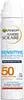
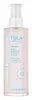
Garnier Ambre Solare Sensitive Advanced Face Protection Mist SPF50 Versus Tula Skincare Signature Glow Refreshing & Brightening Face Mist
This chemical sunscreen covers the full UV range and blocks ~98% of UVB at SPF 50.
This brightening essence is formulated around Lactococcus Ferment Lysate and Lactic Acid to brighten dull-looking skin.


What's inside
What's inside
 Key Ingredients
Benefits
Concerns
Ingredients Side-by-side
Butane
Water
Skin ConditioningHomosalate
Skin Conditioning

Octocrylene
UV Absorber

Glycerin
Humectant


Dimethicone
Emollient
Ethylhexyl Salicylate
UV Absorber
Dicaprylyl Carbonate
EmollientNylon-12

Diisopropyl Sebacate
EmollientButyl Methoxydibenzoylmethane
UV Absorber
Styrene/Acrylates Copolymer
P-Anisic Acid
MaskingCyclohexasiloxane
Emollient
Tocopherol
Antioxidant





Sodium Chloride
MaskingSodium Hyaluronate
Humectant
Phenoxyethanol
Preservative
Thermus Thermophillus Ferment
Skin ConditioningPEG-32
HumectantPEG-8 Laurate
Emulsifying

Ethylhexyl Triazone
UV Absorber
Triethanolamine
BufferingPolyglyceryl-6 Polyricinoleate
Emulsifying
Poly C10-30 Alkyl Acrylate
Emulsion StabilisingPentylene Glycol
Skin Conditioning
Drometrizole Trisiloxane
UV Absorber
Caprylyl Glycol
Emollient
Disodium EDTA
Methyl Methacrylate Crosspolymer
Potassium Sorbate
Preservative
Scutellaria Baicalensis Extract
AntimicrobialScutellaria Baicalensis Root Extract
Astringent
Parfum
Masking

Butane, Water, Homosalate, Octocrylene, Glycerin, Dimethicone, Ethylhexyl Salicylate, Dicaprylyl Carbonate, Nylon-12, Diisopropyl Sebacate, Butyl Methoxydibenzoylmethane, Styrene/Acrylates Copolymer, P-Anisic Acid, Cyclohexasiloxane, Tocopherol, Sodium Chloride, Sodium Hyaluronate, Phenoxyethanol, Thermus Thermophillus Ferment, PEG-32, PEG-8 Laurate, Ethylhexyl Triazone, Triethanolamine, Polyglyceryl-6 Polyricinoleate, Poly C10-30 Alkyl Acrylate, Pentylene Glycol, Drometrizole Trisiloxane, Caprylyl Glycol, Disodium EDTA, Methyl Methacrylate Crosspolymer, Potassium Sorbate, Scutellaria Baicalensis Extract, Scutellaria Baicalensis Root Extract, Parfum
Water
Skin ConditioningGlycerin
Humectant
Actinidia Chinensis Fruit Water
MaskingLactococcus Ferment Lysate
Skin Conditioning
Terminalia Ferdinandiana Fruit Extract
Antioxidant
Beta Vulgaris Root Extract
Skin ConditioningCitrus Aurantium Dulcis Peel Extract
Emulsion Stabilising
Citrus Grandis Peel Extract
Astringent
Lactic Acid
Buffering


Pyrus Malus Fruit Extract
Skin Conditioning
Sodium Hyaluronate
Humectant
Proline
Skin Conditioning
Calendula Officinalis Flower Extract
Masking
Lavandula Angustifolia Extract
Skin Conditioning
Fragaria Chiloensis Fruit Extract
Skin Conditioning
Citrus Clementina Fruit Extract
Skin ConditioningCitrus Limon Peel Extract
EmollientAnanas Sativus Fruit Extract
Skin ConditioningPrunus Armeniaca Fruit Extract
Skin ConditioningPunica Granatum Fruit Extract
Antioxidant
Vanilla Planifolia Fruit Extract
Skin Conditioning
Citrus Tangerina Peel Extract
AstringentRubus Idaeus Fruit Extract
AstringentFructooligosaccharides
Humectant
Vaccinium Vitis-Idaea Fruit Extract
Antioxidant
Niacinamide
Smoothing

Gluconolactone
Skin Conditioning
Fragaria Ananassa Fruit Extract
Skin Conditioning
Citrus Junos Seed Extract
Antioxidant
Calcium Gluconate
HumectantRosa Damascena Extract
MaskingGardenia Florida Fruit Extract
Skin ConditioningSodium PCA
Humectant
Hydroxyproline
Skin ConditioningSodium Phytate
Panthenol
Skin Conditioning
Propanediol
Solvent
Synthetic Fluorphlogopite
Tin Oxide
Abrasive
Sorbitan Oleate Decylglucoside Crosspolymer
CleansingEthylhexylglycerin
Skin ConditioningSodium Benzoate
Masking
Sodium Chloride
MaskingCitric Acid
Buffering
Xanthan Gum
EmulsifyingPhenoxyethanol
Preservative
CI 77891
Cosmetic ColorantWater, Glycerin, Actinidia Chinensis Fruit Water, Lactococcus Ferment Lysate, Terminalia Ferdinandiana Fruit Extract, Beta Vulgaris Root Extract, Citrus Aurantium Dulcis Peel Extract, Citrus Grandis Peel Extract, Lactic Acid, Pyrus Malus Fruit Extract, Sodium Hyaluronate, Proline, Calendula Officinalis Flower Extract, Lavandula Angustifolia Extract, Fragaria Chiloensis Fruit Extract, Citrus Clementina Fruit Extract, Citrus Limon Peel Extract, Ananas Sativus Fruit Extract, Prunus Armeniaca Fruit Extract, Punica Granatum Fruit Extract, Vanilla Planifolia Fruit Extract, Citrus Tangerina Peel Extract, Rubus Idaeus Fruit Extract, Fructooligosaccharides, Vaccinium Vitis-Idaea Fruit Extract, Niacinamide, Gluconolactone, Fragaria Ananassa Fruit Extract, Citrus Junos Seed Extract, Calcium Gluconate, Rosa Damascena Extract, Gardenia Florida Fruit Extract, Sodium PCA, Hydroxyproline, Sodium Phytate, Panthenol, Propanediol, Synthetic Fluorphlogopite, Tin Oxide, Sorbitan Oleate Decylglucoside Crosspolymer, Ethylhexylglycerin, Sodium Benzoate, Sodium Chloride, Citric Acid, Xanthan Gum, Phenoxyethanol, CI 77891
Ingredients Explained
These ingredients are found in both products.
Ingredients higher up in an ingredient list are typically present in a larger amount.
Glycerin (or glycerol) is a compound naturally found in your skin. It's a powerhouse humectant that pulls water into the stratum corneum.
Topically, glycerin does several things at once:
Your skin makes glycerin on its own (mostly from sebaceous oil breakdown) and shuttles it to your outermost layer of skin, or your epidermis, via aquaporin-3.
Aquaporin-3 is a transporter that is essential for normal skin hydration, elasticity, and repair. Interestingly, mice lacking in AQP3 have dry and less elastic skin that can be fully corrected with glycerin.
This ingredient is non-irritating, plays well with almost every ingredient, and works across all skin types. Typical use is anywhere between 3-10% but can go up to 79% in some leave-on products.
Just know very high concentrations (>40%) can feel tacky in low humidity.
Glycerin is the name for this ingredient in American English. British English uses Glycerol/Glycerine.
Learn more about GlycerinPhenoxyethanol is one of the most widely used preservatives in skincare (and for good reason!).
It has a large spectrum of antimicrobial activity and especially effective bacteria, yeast, and mold while only having a weak effect on your skin's natural microbiome.
On a cellular level, it disrupts the cell membranes of microbes by poking holes that make the cell leak. This shuts down the chemical reactions the microbe needs to make energy so it can no longer survive.
Another perk of this ingredient is that it stays functional across a wide pH range (3-10).
You'll often see it paired with boosters like Ethylhexylglycerin; one study showed that a 1:9 ratio of Ethylhexylglycerin to Phenoxyethanol damages bacterial membranes as effectively as doubling the Phenoxyethanol concentration on its own.
Typical use concentrations range from 0.3-1% depending on the formula, and this ingredient is capped at 1% int the EU.
Safety-wise, the fear mongering does not hold up to the evidence. The EU's Scientific Committee on Consumer Safety and FDA consider it safe as a preservative at up to 1%, including for children of all ages.
Adverse systemic effects only showed up in animal studies at exposures roughly 200x higher than what people get from cosmetics. And despite its very widespread use, this ingredient is a rare sensitizer and allergic reactions are uncommon.
Learn more about PhenoxyethanolChances are, you eat sodium chloride every day. Sodium Chloride is also known as table salt. This ingredient has many purposes in skincare: thickener, emulsifier, and exfoliator.
You'll most likely find this ingredient in cleansers where it is used to create a gel-like texture. As an emulsifier, it also prevents ingredients from separating.
You might see people debate whether Sodium Chloride is comedogenic, but there actually haven't been any comedogenic tests done on it. Either way, the overall formulation of a product matters a lot more than any single ingredient.
You might see this ingredient used in scrubs as a primary exfoliating ingredient.
Learn more about Sodium ChlorideSodium Hyaluronate is the salt form of hyaluronic acid. It is a long sugar chain that is naturally found in your skin, joints, and connective tissue that maintains hydration and elasticity.
In skincare, it works as a humectant. It pulls water from the environment and deeper layers of skin and binds it to the surface.
Interestingly, the size of the molecule affects its behavior:
Some clinical evidence links low molecular weight versions to improved wrinkle depth, elasticity, anti-inflammatory effects, and barrier repair.
Many serums use a blend of both weights so you can get surface hydration plus longer-lasting and deeper effects.
You'll typically see concentrations between 0.1-2% for this ingredient.
Learn more about Sodium HyaluronateWater. It's the most common cosmetic ingredient of all. You'll usually see it at the top of ingredient lists, meaning that it makes up the largest part of the product.
So why is it so popular? Water most often acts as a solvent - this means that it helps dissolve other ingredients into the formulation.
You'll also recognize water as that liquid we all need to stay alive. If you see this, drink a glass of water. Remember to stay hydrated!
Learn more about Water

