
What's inside
What's inside
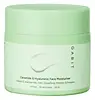 Key Ingredients
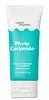
Benefits
Concerns
Ingredients Side-by-side
Water
Skin ConditioningPropylheptyl Caprylate
EmollientGlycerin
Humectant


Polyacrylate Crosspolymer-11
Emulsion StabilisingNiacinamide
Smoothing









Propanediol
Solvent
Pentylene Glycol
Skin Conditioning
C15-19 Alkane
SolventDiheptyl Succinate
EmollientCapryloyl Glycerin/Sebacic Acid Copolymer
Skin ConditioningBifida Ferment Lysate
Skin Conditioning
Inulin
Skin Conditioning
Erythritol
Humectant
C12-15 Alkyl Lactate
EmollientGluconolactone
Skin Conditioning
Sodium Benzoate
Masking
Trehalose
Humectant
Betaine
Humectant
Acetyl Glucosamine
Skin Conditioning
Ceramide NP
Skin Conditioning
Ceramide AP
Skin Conditioning
Glycosphingolipids
EmollientHydrogenated Lecithin
Emulsifying
Tetraacetylphytosphingosine
Skin ConditioningCholesterol
Emollient
Stearic Acid
Cleansing

Xanthan Gum
EmulsifyingCaprylic/Capric Triglyceride
Masking
Glyceryl Stearate
Emollient
Cetearyl Alcohol
Emollient

1,2-Hexanediol
Skin Conditioning
Phytosteryl/Octyldodecyl Lauroyl Glutamate
Skin ConditioningBeta-Glucan
Skin Conditioning
Caprylyl Glycol
Emollient
Avena Sativa Kernel Extract
Abrasive

Tocopheryl Acetate
Antioxidant
Sodium Gluconate
Skin ConditioningPolyacrylate Crosspolymer-6
Emulsion StabilisingSodium Hyaluronate
Humectant
3-O-Ethyl Ascorbic Acid
Skin Conditioning
Sodium Hydroxide
BufferingWater, Propylheptyl Caprylate, Glycerin, Polyacrylate Crosspolymer-11, Niacinamide, Propanediol, Pentylene Glycol, C15-19 Alkane, Diheptyl Succinate, Capryloyl Glycerin/Sebacic Acid Copolymer, Bifida Ferment Lysate, Inulin, Erythritol, C12-15 Alkyl Lactate, Gluconolactone, Sodium Benzoate, Trehalose, Betaine, Acetyl Glucosamine, Ceramide NP, Ceramide AP, Glycosphingolipids, Hydrogenated Lecithin, Tetraacetylphytosphingosine, Cholesterol, Stearic Acid, Xanthan Gum, Caprylic/Capric Triglyceride, Glyceryl Stearate, Cetearyl Alcohol, 1,2-Hexanediol, Phytosteryl/Octyldodecyl Lauroyl Glutamate, Beta-Glucan, Caprylyl Glycol, Avena Sativa Kernel Extract, Tocopheryl Acetate, Sodium Gluconate, Polyacrylate Crosspolymer-6, Sodium Hyaluronate, 3-O-Ethyl Ascorbic Acid, Sodium Hydroxide
Water
Skin ConditioningGlycerin
Humectant
Xylitol
Humectant
Glucose
Humectant
Anhydroxylitol
Humectant
Cynodon Dactylon Extract
Skin ConditioningBetaine
Humectant
Laminaria Digitata Extract
Skin Protecting
Cetyl-Pg Hydroxyethyl Palmitamide
Skin ConditioningCeramide EOP
Skin Conditioning
Ceramide Ns
Skin Conditioning
Ceramide NP
Skin Conditioning
Ceramide As
Skin Conditioning
Ceramide AP
Skin Conditioning
Butyrospermum Parkii Butter
Skin Conditioning
Garcinia Indica Seed Butter
Skin Conditioning
Dimethicone
Emollient
Cetearyl Alcohol
Emollient
Sodium Polyacrylate
Absorbent
Sodium Acrylate/Acryloyldimethyltaurate/Dimethylacrylamide Crosspolymer
Emulsion StabilisingIsohexadecane
EmollientPolysorbate 60
Emulsifying
Tocopheryl Acetate
Antioxidant
Phenoxyethanol
Preservative
Triethylene Glycol
Masking
Water, Glycerin, Xylitol, Glucose, Anhydroxylitol, Cynodon Dactylon Extract, Betaine, Laminaria Digitata Extract, Cetyl-Pg Hydroxyethyl Palmitamide, Ceramide EOP, Ceramide Ns, Ceramide NP, Ceramide As, Ceramide AP, Butyrospermum Parkii Butter, Garcinia Indica Seed Butter, Dimethicone, Cetearyl Alcohol, Sodium Polyacrylate, Sodium Acrylate/Acryloyldimethyltaurate/Dimethylacrylamide Crosspolymer, Isohexadecane, Polysorbate 60, Tocopheryl Acetate, Phenoxyethanol, Triethylene Glycol
Ingredients Explained
These ingredients are found in both products.
Ingredients higher up in an ingredient list are typically present in a larger amount.
Betaine is a humectant. Like hyaluronic acid, it helps attract and retain moisture in the skin. It’s known for being gentle and for helping the skin maintain balanced hydration.
Betaine is mainly used to improve hydration and support calmer skin. It helps skin cells regulate water balance because it functions as an osmolyte.
Some studies suggest betaine may support making skin tone more even.
Fun fact: Betaine naturally exists in the skin and the body. In cosmetic products, it can be either plant-derived (most commonly from sugar beets) or synthetically produced for consistency and stability.
Betaine is also known as trimethylglycine.
Learn more about BetaineCeramide AP is is a skin-identical lipid that mimics what your skin already makes naturally. Ceramides help maintain epidermal integrity and barrier function.
You'll often see this ingredient paired with other ceramides (like ceramide NP), cholesterol, or fatty acids because this combination best mimics the natural lipid mix your skin already has.
The skin's ability to produce ceramides gets disrupted in skin conditions like eczema. This in turn weakens the skin barrier and applying ceramides topically has been shown to replenish what's been lost to restore barrier function.
Most of the studies with Ceramide AP test it as part of a multi-ceramide complex; studies reinforce ceramide AP's role in rebalancing ceramides in skin and improving skin hydration.
Learn more about Ceramide APCeramide NP (formerly known as Ceramide 3) is one of the skin's naturally occurring lipids.
Since ceramides are the major lipid components of the skin, they are crucial for maintaining skin barrier and hydration. Ceramide NP most closely mirrors the dominant kind in human skin amongst ceramide subtypes.
This ceramide works by slotting into gaps within the stratum corneum's lipid matrix to limit trans-epidermal water loss (TEWL) and shield the skin against external irritants.
A study with 312 patients found that using a ceramide-containing routine for 4 weeks reduced the severity of atopic dermatitis by over 61%.
Another clinical study in subjects aged 60 and older found that a ceramide body wash and moisturizer improved skin dryness and itchy skin in 15 days.
Overall, ceramides are considered non-irritating and safety tests have found little to no observable adverse effects from using this ingredient.
Ceramide NP is usually sourced from plants (like soybean or rice bran), or produced synthetically.
Learn more about Ceramide NPCetearyl alcohol is a waxy mixture of two fatty alcohols: cetyl alcohol and stearyl alcohol. It is an emollient and emulsifier.
Despite having "alcohol" in its name, it has nothing to do with drying solvent alcohols; the FDA also allows "alcohol-free" products to contain fatty alcohols like this ingredient.
It plays several roles in a formula:
Typical use levels for this ingredient sit around 1-10% and the Cosmetic Ingredient Review Expert Panel has affirmed safety at concentrations up to 25% in leave-on products.
Multiple assessments have found it to be non-irritating and non-sensitizing to most people.
However, there have been some cases of allergic contact dermatitis in patients with chronically compromised skin barriers.
Cetearyl alcohol has a comedogenic rating of 2 and irritancy rating of 1. Both of these numbers come from the 1989 study that used rabbit ears; a "2" means mildly comedogenic and a "1" means low irritancy.
Here's the catch: rabbit skin is more sensitive than human skin and throws a lot of false positives. A 1996 reappraisal found that ingredients rated 1-2 in the rabbit ear tests are generally safe for humans.
Remember comedogenic ratings are unable to assess the entire formula of a product or how it will react on your skin. Just be sure to patch test if you are unsure about certain ingredients.
This ingredient is not fungal acne safe. Cetearyl alcohol is a fatty alcohol with chain lengths that fall within the range that Malassezia can metabolize.
A 2019 study has also observed Malassezia growth in the presence of this ingredient, confirming it to be not-fungal acne safe.
Learn more about Cetearyl AlcoholGlycerin (or glycerol) is a compound naturally found in your skin. It's a powerhouse humectant that pulls water into the stratum corneum.
Topically, glycerin does several things at once:
Your skin makes glycerin on its own (mostly from sebaceous oil breakdown) and shuttles it to your outermost layer of skin, or your epidermis, via aquaporin-3.
Aquaporin-3 is a transporter that is essential for normal skin hydration, elasticity, and repair. Interestingly, mice lacking in AQP3 have dry and less elastic skin that can be fully corrected with glycerin.
This ingredient is non-irritating, plays well with almost every ingredient, and works across all skin types. Typical use is anywhere between 3-10% but can go up to 79% in some leave-on products.
Just know very high concentrations (>40%) can feel tacky in low humidity.
Glycerin is the name for this ingredient in American English. British English uses Glycerol/Glycerine.
Learn more about GlycerinTocopheryl Acetate is AKA Vitamin E. It is an antioxidant and protects your skin from free radicals. Free radicals damage the skin by breaking down collagen.
One study found using Tocopheryl Acetate with Vitamin C decreased the number of sunburned cells.
Tocopheryl Acetate is commonly found in both skincare and dietary supplements.
Learn more about Tocopheryl AcetateWater. It's the most common cosmetic ingredient of all. You'll usually see it at the top of ingredient lists, meaning that it makes up the largest part of the product.
So why is it so popular? Water most often acts as a solvent - this means that it helps dissolve other ingredients into the formulation.
You'll also recognize water as that liquid we all need to stay alive. If you see this, drink a glass of water. Remember to stay hydrated!
Learn more about Water
