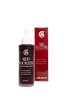
This brightening serum is formulated around Scutellaria Baicalensis Root Extract and Glycyrrhiza Glabra Root Extract to brighten dull-looking skin and calm redness.


What's inside
What's inside
 Key Ingredients
Benefits
Concerns
Ingredients Side-by-side
Water
Skin ConditioningGlycerin
Humectant


Dimethicone
Emollient
Caprylic/Capric Glycerides
EmollientHyaluronic Acid
Humectant

Scutellaria Baicalensis Root Extract
Astringent
Paeonia Suffruticosa Root Extract
Skin ProtectingSaxifraga Sarmentosa Extract
Skin ConditioningGlycyrrhiza Glabra Root Extract
Bleaching


Aloe Barbadensis Leaf Extract
Emollient
Panax Ginseng Extract
Antioxidant
Ceramide NP
Skin Conditioning
Tocopherol
Antioxidant
Lactobionic Acid
Buffering




Ethoxydiglycol
HumectantPhenoxyethanol
Preservative
Ethylhexylglycerin
Skin ConditioningCarbomer
Emulsion StabilisingTriethanolamine
BufferingParfum
Masking




CI 45410
Cosmetic ColorantWater, Glycerin, Dimethicone, Caprylic/Capric Glycerides, Hyaluronic Acid, Scutellaria Baicalensis Root Extract, Paeonia Suffruticosa Root Extract, Saxifraga Sarmentosa Extract, Glycyrrhiza Glabra Root Extract, Aloe Barbadensis Leaf Extract, Panax Ginseng Extract, Ceramide NP, Tocopherol, Lactobionic Acid, Ethoxydiglycol, Phenoxyethanol, Ethylhexylglycerin, Carbomer, Triethanolamine, Parfum, CI 45410
Water
Skin ConditioningPropylene Glycol
Humectant
Glycerin
Humectant
Ascorbyl Palmitate
Antioxidant

Maltodextrin
Absorbent
PEG-40 Hydrogenated Castor Oil
Emulsifying
Ethoxydiglycol
HumectantNiacinamide
Smoothing
Ammonium Acryloyldimethyltaurate/Vp Copolymer
Parfum
Masking
PEG-60 Hydrogenated Castor Oil
Emulsifying
Butylene Glycol
Humectant
Sodium Hyaluronate
Humectant
Phenoxyethanol
Preservative
Sorbitol
Humectant
Tocopheryl Acetate
Antioxidant
Chlorphenesin
Antimicrobial
Disodium EDTA
ChelatingAloe Barbadensis Leaf Extract
Emollient
Laminaria Digitata Extract
Skin Protecting
1,2-Hexanediol
Skin Conditioning
Lecithin
Emollient
Xanthan Gum
EmulsifyingPolysorbate 20
Emulsifying
Arbutin
Antioxidant
Cucumis Sativus Fruit Extract
Emollient
Alcohol
Antimicrobial

Diatomaceous Earth
Abrasive
Glutathione
C12-15 Pareth-10
EmulsifyingCitrus Aurantium Dulcis Fruit Extract
MaskingChlamydomonas Extract
Skin ConditioningSolanum Lycopersicum Fruit Extract
Antioxidant
PEG-400
Emulsion StabilisingCI 16255
Cosmetic ColorantRosa Hybrid Flower Extract
Skin ConditioningHexylresorcinol
Antimicrobial
Capric Acid
Cleansing
Caproic Acid
Cleansing
Eucalyptus Globulus Leaf Extract
Perfuming
Caprylic Acid
CleansingLinoleic Acid
Cleansing
Linolenic Acid
Cleansing
Panax Ginseng Extract
Antioxidant
Chenopodium Quinoa Seed Extract
Skin Conditioning
Isopropyl Alcohol
Solvent
Water, Propylene Glycol, Glycerin, Ascorbyl Palmitate, Maltodextrin, PEG-40 Hydrogenated Castor Oil, Ethoxydiglycol, Niacinamide, Ammonium Acryloyldimethyltaurate/Vp Copolymer, Parfum, PEG-60 Hydrogenated Castor Oil, Butylene Glycol, Sodium Hyaluronate, Phenoxyethanol, Sorbitol, Tocopheryl Acetate, Chlorphenesin, Disodium EDTA, Aloe Barbadensis Leaf Extract, Laminaria Digitata Extract, 1,2-Hexanediol, Lecithin, Xanthan Gum, Polysorbate 20, Arbutin, Cucumis Sativus Fruit Extract, Alcohol, Diatomaceous Earth, Glutathione, C12-15 Pareth-10, Citrus Aurantium Dulcis Fruit Extract, Chlamydomonas Extract, Solanum Lycopersicum Fruit Extract, PEG-400, CI 16255, Rosa Hybrid Flower Extract, Hexylresorcinol, Capric Acid, Caproic Acid, Eucalyptus Globulus Leaf Extract, Caprylic Acid, Linoleic Acid, Linolenic Acid, Panax Ginseng Extract, Chenopodium Quinoa Seed Extract, Isopropyl Alcohol
Ingredients Explained
These ingredients are found in both products.
Ingredients higher up in an ingredient list are typically present in a larger amount.
Aloe Barbadensis Leaf Extract is a botanical extract pulled from the leaves of aloe vera and one of the most studied plant ingredients in cosmetics.
The inner leaf gel it comes from is mostly water (~99-99.5%) and the remaining fraction is made up of pretty good stuff: polysaccharides, vitamins, phenolics, and enzymes.
Its headline job is hydration.
The star polysaccharide in aloe, acemannan, is a humectant that retains moisture and helps reduce trans-epidermal water loss.
Aloe also has real soothing credentials; it contains anti-inflammatory compounds like bradykinase and C-glucosyl chromone that help calm irritation and redness.
On the repair side, lab work shows that acemannan wakes up your skin's repair cells (fibroblasts), prompting them to multiply and speed up healing.
There's some human data for cosmetic benefit too: a cream containing 10% Aloe Barbadensis leaf extract improved skin hydration and elasticity in a real-use study.
Safety-wise, this ingredient is well-regarded with just one rare downside; there have been some case reports of acute eczema, contact urticaria, and dermatitis in people who applied aloe-derived ingredients topically. Those with a known aloe or Liliaceae sensitivity should patch test.
Typical use levels range widely, from under 1% up to 90%+ depending on the format and the effect you are after.
Learn more about Aloe Barbadensis Leaf ExtractEthoxydiglycol (aka Diethylene Glycol Monoethyl Ether) is one of the cosmetic world's quiet problem solvers.
In a formula, it is a solvent that dissolves tricky ingredients that don't want to mix in and helps spread ingredients evenly across your skin without leaving a greasy or sticky feeling
This makes it great for hard-to-dissolve actives like vitamin C, benzoyl peroxide, and self-tanner DHA.
It also has mild humectant and penetration enhancer abilities so it can help some actives absorb a little deeper.
The penetration boost is backed by lab research: studies using human skin samples found it improved how well an active dissolves into the upper layer of skin rather than tearing down your skin barrier. Reviews of its mechanism also describe it interacting gently with the lipids and water in your outermost layer of skin.
Just know this penetration-enhancing effect is not universal. It helps a lot in some formulas and did very little in others (so the benefit really depends on the specific product).
Safety-wise, the evidence is reassuring. The Cosmetic Ingredient Review Expert Panel reviewed it and concluded it's safe for use in cosmetics and recognized it as non-irritating, non-sensitizing, and non-comedogenic in skincare.
Typical leave-on skincare usage lands around 1-10%. The EU has sets caps of 2.6% in non-spray products, 10% in rinse-offs, 7% in oxidative hair dye, and 5% in non-oxidative hair dye.
Learn more about EthoxydiglycolGlycerin (or glycerol) is a compound naturally found in your skin. It's a powerhouse humectant that pulls water into the stratum corneum.
Topically, glycerin does several things at once:
Your skin makes glycerin on its own (mostly from sebaceous oil breakdown) and shuttles it to your outermost layer of skin, or your epidermis, via aquaporin-3.
Aquaporin-3 is a transporter that is essential for normal skin hydration, elasticity, and repair. Interestingly, mice lacking in AQP3 have dry and less elastic skin that can be fully corrected with glycerin.
This ingredient is non-irritating, plays well with almost every ingredient, and works across all skin types. Typical use is anywhere between 3-10% but can go up to 79% in some leave-on products.
Just know very high concentrations (>40%) can feel tacky in low humidity.
Glycerin is the name for this ingredient in American English. British English uses Glycerol/Glycerine.
Learn more about GlycerinPanax ginseng is also known as Asian ginseng. This ingredient is used in traditional Asian food and medicine.
Read more about its benefits here.
Parfum is a catch-all term for an ingredient or more that is used to give a scent to products.
Also called "fragrance", this ingredient can be a blend of hundreds of chemicals or plant oils. This means every product with "fragrance" or "parfum" in the ingredients list is a different mixture.
For instance, Habanolide is a proprietary trade name for a specific aroma chemical. When used as a fragrance ingredient in cosmetics, most aroma chemicals fall under the broad labeling category of “FRAGRANCE” or “PARFUM” according to EU and US regulations.
The term 'parfum' or 'fragrance' is not regulated in many countries. In many cases, it is up to the brand to define this term.
For instance, many brands choose to label themselves as "fragrance-free" because they are not using synthetic fragrances. However, their products may still contain ingredients such as essential oils that are considered a fragrance by INCI standards.
One example is Calendula flower extract. Calendula is an essential oil that still imparts a scent or 'fragrance'.
Depending on the blend, the ingredients in the mixture can cause allergies and sensitivities on the skin. Some ingredients that are known EU allergens include linalool and citronellol.
Parfum can also be used to mask or cover an unpleasant scent.
The bottom line is: not all fragrances/parfum/ingredients are created equally. If you are worried about fragrances, we recommend taking a closer look at an ingredient. And of course, we always recommend speaking with a professional.
Learn more about ParfumPhenoxyethanol is one of the most widely used preservatives in skincare (and for good reason!).
It has a large spectrum of antimicrobial activity and especially effective bacteria, yeast, and mold while only having a weak effect on your skin's natural microbiome.
On a cellular level, it disrupts the cell membranes of microbes by poking holes that make the cell leak. This shuts down the chemical reactions the microbe needs to make energy so it can no longer survive.
Another perk of this ingredient is that it stays functional across a wide pH range (3-10).
You'll often see it paired with boosters like Ethylhexylglycerin; one study showed that a 1:9 ratio of Ethylhexylglycerin to Phenoxyethanol damages bacterial membranes as effectively as doubling the Phenoxyethanol concentration on its own.
Typical use concentrations range from 0.3-1% depending on the formula, and this ingredient is capped at 1% int the EU.
Safety-wise, the fear mongering does not hold up to the evidence. The EU's Scientific Committee on Consumer Safety and FDA consider it safe as a preservative at up to 1%, including for children of all ages.
Adverse systemic effects only showed up in animal studies at exposures roughly 200x higher than what people get from cosmetics. And despite its very widespread use, this ingredient is a rare sensitizer and allergic reactions are uncommon.
Learn more about PhenoxyethanolWater. It's the most common cosmetic ingredient of all. You'll usually see it at the top of ingredient lists, meaning that it makes up the largest part of the product.
So why is it so popular? Water most often acts as a solvent - this means that it helps dissolve other ingredients into the formulation.
You'll also recognize water as that liquid we all need to stay alive. If you see this, drink a glass of water. Remember to stay hydrated!
Learn more about Water

