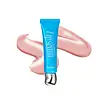
This barrier-repair lip moisturizer is formulated around Erythritol and Panthenol to strengthen the lip barrier and hydrate lips.
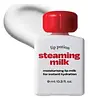
This lip moisturizer is formulated around Bis-Diglyceryl Polyacyladipate-2 and Camellia Sinensis Seed Oil to hydrate lips.

What's inside
What's inside
 Key Ingredients
Benefits
Concerns
Ingredients Side-by-side
Ceteareth-20
Cleansing

Water
Skin ConditioningErythritol
Humectant
Glycerin
Humectant

Butylene Glycol
Humectant
Polysorbate 60
Emulsifying

1,2-Hexanediol
Skin Conditioning
Pentylene Glycol
Skin Conditioning
Caprylyl Glycol
Emollient
PEG-240/Hdi Copolymer Bis-Decyltetradeceth-20 Ether
StabilisingPotassium Laurate
EmulsifyingTocopherol
Antioxidant





Helianthus Annuus Seed Oil
Emollient
Dimer Dilinoleyl Dimer Dilinoleate
EmollientDiisostearyl Malate
EmollientBis-Behenyl/Isostearyl/Phytosteryl Dimer Dilinoleyl Dimer Dilinoleate
EmollientEthylhexylglycerin
Skin ConditioningGlyceryl Caprylate
EmollientHydroxyethyl Acrylate/Sodium Acryloyldimethyl Taurate Copolymer
Emulsion StabilisingSqualane
Emollient
Sorbitan Isostearate
Emulsifying
CI 77491
Cosmetic ColorantPolyglyceryl-2 Triisostearate
Emulsifying
PPG-17/Ipdi/Dmpa Copolymer
Hexylene Glycol
EmulsifyingParfum
Masking


Cocos Nucifera Fruit Extract
Emollient
Phenoxyethanol
Preservative
Sodium Hyaluronate
Humectant
Prunus Persica Fruit Extract
Abrasive
Panthenol
Skin Conditioning
Propylene Glycol
Humectant
Ceramide NP
Skin Conditioning
Propanediol
Solvent
Collagen
Moisturising
Ceteareth-20, Water, Erythritol, Glycerin, Butylene Glycol, Polysorbate 60, 1,2-Hexanediol, Pentylene Glycol, Caprylyl Glycol, PEG-240/Hdi Copolymer Bis-Decyltetradeceth-20 Ether, Potassium Laurate, Tocopherol, Helianthus Annuus Seed Oil, Dimer Dilinoleyl Dimer Dilinoleate, Diisostearyl Malate, Bis-Behenyl/Isostearyl/Phytosteryl Dimer Dilinoleyl Dimer Dilinoleate, Ethylhexylglycerin, Glyceryl Caprylate, Hydroxyethyl Acrylate/Sodium Acryloyldimethyl Taurate Copolymer, Squalane, Sorbitan Isostearate, CI 77491, Polyglyceryl-2 Triisostearate, PPG-17/Ipdi/Dmpa Copolymer, Hexylene Glycol, Parfum, Cocos Nucifera Fruit Extract, Phenoxyethanol, Sodium Hyaluronate, Prunus Persica Fruit Extract, Panthenol, Propylene Glycol, Ceramide NP, Propanediol, Collagen
Water
Skin ConditioningGlycerin
Humectant
Isotridecyl Isononanoate
EmollientBis-Diglyceryl Polyacyladipate-2
Emollient
Octyldodecanol
Emollient
Pentylene Glycol
Skin Conditioning
1,2-Hexanediol
Skin Conditioning
Polyacrylate Crosspolymer-6
Emulsion StabilisingPEG-30 Dipolyhydroxystearate
Emulsifying
Octyldodecyl Xyloside
EmulsifyingPolyacrylate-13
Menthoxypropanediol
Masking
Sodium Chloride
MaskingPolyisobutene
Butylene Glycol
Humectant
Glyceryl Caprylate
EmollientNarcissus Tazetta Bulb Extract
Astringent
Polysorbate 20
Emulsifying
Sorbitan Isostearate
Emulsifying
Parfum
Masking
Tocopheryl Acetate
Antioxidant
Sodium Hyaluronate
Humectant
Camellia Sinensis Seed Oil
Humectant
Water, Glycerin, Isotridecyl Isononanoate, Bis-Diglyceryl Polyacyladipate-2, Octyldodecanol, Pentylene Glycol, 1,2-Hexanediol, Polyacrylate Crosspolymer-6, PEG-30 Dipolyhydroxystearate, Octyldodecyl Xyloside, Polyacrylate-13, Menthoxypropanediol, Sodium Chloride, Polyisobutene, Butylene Glycol, Glyceryl Caprylate, Narcissus Tazetta Bulb Extract, Polysorbate 20, Sorbitan Isostearate, Parfum, Tocopheryl Acetate, Sodium Hyaluronate, Camellia Sinensis Seed Oil
Ingredients Explained
These ingredients are found in both products.
Ingredients higher up in an ingredient list are typically present in a larger amount.
1,2-Hexanediol is a synthetic liquid and another multi-functional powerhouse.
It is a:
- Humectant, drawing moisture into the skin
- Emollient, helping to soften skin
- Solvent, dispersing and stabilizing formulas
- Preservative booster, enhancing the antimicrobial activity of other preservatives
Butylene Glycol (or BG) is used within cosmetic products for a few different reasons:
Overall, Butylene Glycol is a safe and well-rounded ingredient that works well with other ingredients.
Though this ingredient works well with most skin types, some people with sensitive skin may experience a reaction such as allergic rashes, closed comedones, or itchiness.
Learn more about Butylene GlycolGlycerin (or glycerol) is a compound naturally found in your skin. It's a powerhouse humectant that pulls water into the stratum corneum.
Topically, glycerin does several things at once:
Your skin makes glycerin on its own (mostly from sebaceous oil breakdown) and shuttles it to your outermost layer of skin, or your epidermis, via aquaporin-3.
Aquaporin-3 is a transporter that is essential for normal skin hydration, elasticity, and repair. Interestingly, mice lacking in AQP3 have dry and less elastic skin that can be fully corrected with glycerin.
This ingredient is non-irritating, plays well with almost every ingredient, and works across all skin types. Typical use is anywhere between 3-10% but can go up to 79% in some leave-on products.
Just know very high concentrations (>40%) can feel tacky in low humidity.
Glycerin is the name for this ingredient in American English. British English uses Glycerol/Glycerine.
Learn more about GlycerinGlyceryl Caprylate comes from glycerin and caprylic acid. It is an emollient, co-emulsifier, and preservative booster.
Its short C8 fatty acid chain makes it behave differently from its longer-chain emollient cousins like Glyceryl Stearate. It feels more lightweight, fast-absorbing, and silky instead of rich and waxy.
As a co-emulsifier, its "head" and "tail" sit at the oil-water interface. But overall, the short C8 tail and not being water soluble means it doesn't really have the muscle to emulsify a formula on its own. That's why you'll often see it paired with a primary emulsifier like Cetearyl Glucoside.
Interestingly, Glyceryl Caprylate acts as a preservative booster. This is because its fatty-acid backbone disrupts microbial lipid membranes. It shows excellent activity against bacteria and yeast but is weaker against mold.
Typical concentrations range from 0.5-1% and this ingredient is generally non-irritating.
Because this ingredient has a C8 fatty acid chain, it is outside the range that the Malassezia yeast metabolizes (making it fungal acne safe).
Learn more about Glyceryl CaprylateParfum is a catch-all term for an ingredient or more that is used to give a scent to products.
Also called "fragrance", this ingredient can be a blend of hundreds of chemicals or plant oils. This means every product with "fragrance" or "parfum" in the ingredients list is a different mixture.
For instance, Habanolide is a proprietary trade name for a specific aroma chemical. When used as a fragrance ingredient in cosmetics, most aroma chemicals fall under the broad labeling category of “FRAGRANCE” or “PARFUM” according to EU and US regulations.
The term 'parfum' or 'fragrance' is not regulated in many countries. In many cases, it is up to the brand to define this term.
For instance, many brands choose to label themselves as "fragrance-free" because they are not using synthetic fragrances. However, their products may still contain ingredients such as essential oils that are considered a fragrance by INCI standards.
One example is Calendula flower extract. Calendula is an essential oil that still imparts a scent or 'fragrance'.
Depending on the blend, the ingredients in the mixture can cause allergies and sensitivities on the skin. Some ingredients that are known EU allergens include linalool and citronellol.
Parfum can also be used to mask or cover an unpleasant scent.
The bottom line is: not all fragrances/parfum/ingredients are created equally. If you are worried about fragrances, we recommend taking a closer look at an ingredient. And of course, we always recommend speaking with a professional.
Learn more about ParfumPentylene Glycol (1,2-pentanediol) is a multitasking little diol with three main roles in a formula:
Research on alkanediols (the family pentylene glycol belongs to) show they work by disrupting microbial cell membranes. This disruption helps the primary preservative system in a product work more effectively at lower doses.
On the safety side, the Cosmetic Ingredient Review Expert Panel has concluded this ingredient to be safe as used in current cosmetic practices + concentrations.
Typical use levels in a formula run about 1-5%.
Learn more about Pentylene GlycolSodium Hyaluronate is the salt form of hyaluronic acid. It is a long sugar chain that is naturally found in your skin, joints, and connective tissue that maintains hydration and elasticity.
In skincare, it works as a humectant. It pulls water from the environment and deeper layers of skin and binds it to the surface.
Interestingly, the size of the molecule affects its behavior:
Some clinical evidence links low molecular weight versions to improved wrinkle depth, elasticity, anti-inflammatory effects, and barrier repair.
Many serums use a blend of both weights so you can get surface hydration plus longer-lasting and deeper effects.
You'll typically see concentrations between 0.1-2% for this ingredient.
Learn more about Sodium HyaluronateSorbitan Isostearate is an emulsifer. It is created from isostearic acid and sorbitol.
As an emulsifier, it keeps the water and oil ingredients from separating. This keeps formulas stable and smooth.
In a 24 hour occlusive patch test on 56 subjects, 10% sorbitan isostearate was completely non-irritating. Most formulas use less than 10%.
Because it's a fatty acid ester, it may not be fungal acne safe since the Malassezia yeast can utilize it as a nutrient source.
Learn more about Sorbitan IsostearateWater. It's the most common cosmetic ingredient of all. You'll usually see it at the top of ingredient lists, meaning that it makes up the largest part of the product.
So why is it so popular? Water most often acts as a solvent - this means that it helps dissolve other ingredients into the formulation.
You'll also recognize water as that liquid we all need to stay alive. If you see this, drink a glass of water. Remember to stay hydrated!
Learn more about Water

