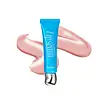
This barrier-repair lip moisturizer is formulated around Erythritol and Panthenol to strengthen the lip barrier and hydrate lips.
This barrier-repair lip moisturizer is formulated around Petrolatum and Sodium Hyaluronate to strengthen the lip barrier and hydrate lips.

What's inside
What's inside
 Key Ingredients
Benefits
Concerns
Ingredients Side-by-side
Ceteareth-20
Cleansing

Water
Skin ConditioningErythritol
Humectant
Glycerin
Humectant

Butylene Glycol
Humectant
Polysorbate 60
Emulsifying

1,2-Hexanediol
Skin Conditioning
Pentylene Glycol
Skin Conditioning
Caprylyl Glycol
Emollient
PEG-240/Hdi Copolymer Bis-Decyltetradeceth-20 Ether
StabilisingPotassium Laurate
EmulsifyingTocopherol
Antioxidant





Helianthus Annuus Seed Oil
Emollient
Dimer Dilinoleyl Dimer Dilinoleate
EmollientDiisostearyl Malate
EmollientBis-Behenyl/Isostearyl/Phytosteryl Dimer Dilinoleyl Dimer Dilinoleate
EmollientEthylhexylglycerin
Skin ConditioningGlyceryl Caprylate
EmollientHydroxyethyl Acrylate/Sodium Acryloyldimethyl Taurate Copolymer
Emulsion StabilisingSqualane
Emollient
Sorbitan Isostearate
Emulsifying
CI 77491
Cosmetic ColorantPolyglyceryl-2 Triisostearate
Emulsifying
PPG-17/Ipdi/Dmpa Copolymer
Hexylene Glycol
EmulsifyingParfum
Masking


Cocos Nucifera Fruit Extract
Emollient
Phenoxyethanol
Preservative
Sodium Hyaluronate
Humectant
Prunus Persica Fruit Extract
Abrasive
Panthenol
Skin Conditioning
Propylene Glycol
Humectant
Ceramide NP
Skin Conditioning
Propanediol
Solvent
Collagen
Moisturising
Ceteareth-20, Water, Erythritol, Glycerin, Butylene Glycol, Polysorbate 60, 1,2-Hexanediol, Pentylene Glycol, Caprylyl Glycol, PEG-240/Hdi Copolymer Bis-Decyltetradeceth-20 Ether, Potassium Laurate, Tocopherol, Helianthus Annuus Seed Oil, Dimer Dilinoleyl Dimer Dilinoleate, Diisostearyl Malate, Bis-Behenyl/Isostearyl/Phytosteryl Dimer Dilinoleyl Dimer Dilinoleate, Ethylhexylglycerin, Glyceryl Caprylate, Hydroxyethyl Acrylate/Sodium Acryloyldimethyl Taurate Copolymer, Squalane, Sorbitan Isostearate, CI 77491, Polyglyceryl-2 Triisostearate, PPG-17/Ipdi/Dmpa Copolymer, Hexylene Glycol, Parfum, Cocos Nucifera Fruit Extract, Phenoxyethanol, Sodium Hyaluronate, Prunus Persica Fruit Extract, Panthenol, Propylene Glycol, Ceramide NP, Propanediol, Collagen

Reviews
Ingredients Explained
These ingredients are found in both products.
Ingredients higher up in an ingredient list are typically present in a larger amount.
1,2-Hexanediol is a synthetic liquid and another multi-functional powerhouse.
It is a:
- Humectant, drawing moisture into the skin
- Emollient, helping to soften skin
- Solvent, dispersing and stabilizing formulas
- Preservative booster, enhancing the antimicrobial activity of other preservatives
Butylene Glycol (or BG) is used within cosmetic products for a few different reasons:
Overall, Butylene Glycol is a safe and well-rounded ingredient that works well with other ingredients.
Though this ingredient works well with most skin types, some people with sensitive skin may experience a reaction such as allergic rashes, closed comedones, or itchiness.
Learn more about Butylene GlycolCaprylyl Glycol is a humectant, skin conditioner, emollient, and preservative booster derived from either caprylic acid or synthetically created.
Typical use levels vary from 0.3-1% as a preservative booster and go up to 2% to condition skin.
Because it is not a free-fatty acid, this ingredient is fungal acne safe (there's nothing for Malassezia to feed on).
Learn more about Caprylyl GlycolEthylhexylglycerin is created from glycerin. It is a multitasker ingredient that:
The CIR Expert Panel found minimal skin absorption or sensitization of any kind in a safety assessment. Though this ingredient is considered well-tolerated, a small number of cases of allergic dermatitis have been published since 2002. Just be sure to patch test if you are unsure.
Industry-reported use ranges from 8% in rinse-off products and 2% in leave-on formulations.
Learn more about EthylhexylglycerinSodium Hyaluronate is the salt form of hyaluronic acid. It is a long sugar chain that is naturally found in your skin, joints, and connective tissue that maintains hydration and elasticity.
In skincare, it works as a humectant. It pulls water from the environment and deeper layers of skin and binds it to the surface.
Interestingly, the size of the molecule affects its behavior:
Some clinical evidence links low molecular weight versions to improved wrinkle depth, elasticity, anti-inflammatory effects, and barrier repair.
Many serums use a blend of both weights so you can get surface hydration plus longer-lasting and deeper effects.
You'll typically see concentrations between 0.1-2% for this ingredient.
Learn more about Sodium HyaluronateWater. It's the most common cosmetic ingredient of all. You'll usually see it at the top of ingredient lists, meaning that it makes up the largest part of the product.
So why is it so popular? Water most often acts as a solvent - this means that it helps dissolve other ingredients into the formulation.
You'll also recognize water as that liquid we all need to stay alive. If you see this, drink a glass of water. Remember to stay hydrated!
Learn more about Water

