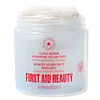
This hydrating toner pad uses a pre-saturated pad with Squalane and Ceramide NP to hydrate skin and strengthen the skin barrier.
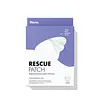
This barrier-repair treatment is formulated around Panthenol and Copper Tripeptide-1 to strengthen the skin barrier and calm redness.

What's inside
What's inside
 Key Ingredients
Benefits
Concerns
Ingredients Side-by-side
Water
Skin ConditioningGlycerin
Humectant


Sorbitan Oleate
Emulsifying



Squalane
Emollient
Sodium Hyaluronate
Humectant

Ceramide NP
Skin Conditioning

Saccharomyces/Honey Ferment Filtrate
Skin Conditioning
Mel
EmollientPropolis Extract
Skin Conditioning

Asiaticoside
Antioxidant

Madecassic Acid
Skin Conditioning
Avena Sativa Kernel Extract
Abrasive
Beta-Glucan
Skin Conditioning
Asiatic Acid
Skin Conditioning
Colloidal Oatmeal
Absorbent
Ethylhexyl Salicylate
UV Absorber

Triolein
Skin Conditioning
Acrylates/C10-30 Alkyl Acrylate Crosspolymer
Emulsion StabilisingGlyceryl Dioleate
Emollient
Xanthan Gum
EmulsifyingSorbic Acid
Preservative
Ethylhexylglycerin
Skin ConditioningGlycereth-26
Humectant
Phenoxyethanol
Preservative
Potassium Sorbate
Preservative
Sodium Benzoate
Masking
Citric Acid
Buffering

Chlorphenesin
Antimicrobial
Benzoic Acid
Masking
Sodium Hydroxide
BufferingWater, Glycerin, Sorbitan Oleate, Squalane, Sodium Hyaluronate, Ceramide NP, Saccharomyces/Honey Ferment Filtrate, Mel, Propolis Extract, Asiaticoside, Madecassic Acid, Avena Sativa Kernel Extract, Beta-Glucan, Asiatic Acid, Colloidal Oatmeal, Ethylhexyl Salicylate, Triolein, Acrylates/C10-30 Alkyl Acrylate Crosspolymer, Glyceryl Dioleate, Xanthan Gum, Sorbic Acid, Ethylhexylglycerin, Glycereth-26, Phenoxyethanol, Potassium Sorbate, Sodium Benzoate, Citric Acid, Chlorphenesin, Benzoic Acid, Sodium Hydroxide
Water
Skin ConditioningButylene Glycol
Humectant
Glycerin
Humectant
Panthenol
Skin Conditioning
Propylene Glycol Dicaprylate/Dicaprate
EmollientPolyglyceryl-3 Methylglucose Distearate
Emulsifying
Butyrospermum Parkii Butter
Skin Conditioning
Caprylic/Capric Triglyceride
Masking
Cetearyl Alcohol
Emollient
Cetyl Alcohol
Emollient
Dipropylene Glycol
HumectantAcetyl Hexapeptide-8
Humectant
Ascorbic Acid Polypeptide
Antioxidant

Acetyl Octapeptide-3
Humectant
Acetyl Tetrapeptide-2
Skin Conditioning
Acetyl Tetrapeptide-3
Skin Protecting
Acetyl Tetrapeptide-5
Humectant
Acetyl Tetrapeptide-9
Skin Conditioning
Nonapeptide-1
Skin Conditioning
Palmitoyl Pentapeptide-4
Skin Conditioning
Palmitoyl Tripeptide-1
Skin Conditioning
Palmitoyl Tripeptide-5
Skin Conditioning
Oligopeptide-2
Skin Conditioning
Copper Tripeptide-1
Skin Conditioning
Tremella Fuciformis Extract
Humectant
Ceramide NP
Skin Conditioning
Carnosine
Skin Conditioning
Beta-Glucan
Skin Conditioning
Alpha-Glucan Oligosaccharide
Cleansing
Tocopheryl Acetate
Antioxidant
1,2-Hexanediol
Skin Conditioning
Hydroxyacetophenone
Antioxidant
Carbomer
Emulsion StabilisingPolyglyceryl-2 Diisostearate
Emulsifying
Betaine
Humectant
Tromethamine
BufferingCaprylyl Glycol
Emollient
Xanthan Gum
EmulsifyingHydroxyethyl Urea
Humectant
Dipotassium Glycyrrhizate
Humectant
Sodium Phytate
ChelatingPolymnia Sonchifolia Root Juice
Skin ConditioningCyamopsis Tetragonoloba Gum
Emulsion StabilisingMaltodextrin
Absorbent
Lactobacillus
Skin ConditioningWater, Butylene Glycol, Glycerin, Panthenol, Propylene Glycol Dicaprylate/Dicaprate, Polyglyceryl-3 Methylglucose Distearate, Butyrospermum Parkii Butter, Caprylic/Capric Triglyceride, Cetearyl Alcohol, Cetyl Alcohol, Dipropylene Glycol, Acetyl Hexapeptide-8, Ascorbic Acid Polypeptide, Acetyl Octapeptide-3, Acetyl Tetrapeptide-2, Acetyl Tetrapeptide-3, Acetyl Tetrapeptide-5, Acetyl Tetrapeptide-9, Nonapeptide-1, Palmitoyl Pentapeptide-4, Palmitoyl Tripeptide-1, Palmitoyl Tripeptide-5, Oligopeptide-2, Copper Tripeptide-1, Tremella Fuciformis Extract, Ceramide NP, Carnosine, Beta-Glucan, Alpha-Glucan Oligosaccharide, Tocopheryl Acetate, 1,2-Hexanediol, Hydroxyacetophenone, Carbomer, Polyglyceryl-2 Diisostearate, Betaine, Tromethamine, Caprylyl Glycol, Xanthan Gum, Hydroxyethyl Urea, Dipotassium Glycyrrhizate, Sodium Phytate, Polymnia Sonchifolia Root Juice, Cyamopsis Tetragonoloba Gum, Maltodextrin, Lactobacillus
Reviews
Ingredients Explained
These ingredients are found in both products.
Ingredients higher up in an ingredient list are typically present in a larger amount.
Beta-Glucan is a soluble polysaccharide (a chain of glucose sugars) sourced from the cells walls of oats, baker's yeast, mushrooms, and seaweed.
It's a rare ingredient that pulls double-duty as a heavy-duty hydrator and skin-soothing repair agent.
On the surface, it acts as a humectant that holds water in place and reduces moisture loss for a plumper, smoother feel, while its anti-inflammatory and antioxidant properties make it a great pick for calming redness or sensitive skin
The more interesting story is underneath:
Despite its large molecular size, oat beta-glucan has been shown to penetrate the epidermis and reach the dermis by slipping between skin cells. Here, it interacts with fibroblasts and macrophages to nudge collagen synthesis and support wound repair.
A small 2005 split-face clinical study of 27 subjects found topical beta-glucan produced measurable reductions in wrinkle depth, height, and roughness after 8 weeks of use.
It is worth noting the trial was small and the penetration testing used frozen, irradiated skin so the anti-aging data is encouraging rather than definitive.
This ingredient gets along with pretty much everything and is typically used around 0.1-1%.
Fungal acne: This ingredient is not a food source for the Malassezia yeast because it is a glucose polysaccharide with no fatty acid or ester component.
Learn more about Beta-GlucanCeramide NP (formerly known as Ceramide 3) is one of the skin's naturally occurring lipids.
Since ceramides are the major lipid components of the skin, they are crucial for maintaining skin barrier and hydration. Ceramide NP most closely mirrors the dominant kind in human skin amongst ceramide subtypes.
This ceramide works by slotting into gaps within the stratum corneum's lipid matrix to limit trans-epidermal water loss (TEWL) and shield the skin against external irritants.
A study with 312 patients found that using a ceramide-containing routine for 4 weeks reduced the severity of atopic dermatitis by over 61%.
Another clinical study in subjects aged 60 and older found that a ceramide body wash and moisturizer improved skin dryness and itchy skin in 15 days.
Overall, ceramides are considered non-irritating and safety tests have found little to no observable adverse effects from using this ingredient.
Ceramide NP is usually sourced from plants (like soybean or rice bran), or produced synthetically.
Learn more about Ceramide NPGlycerin (or glycerol) is a compound naturally found in your skin. It's a powerhouse humectant that pulls water into the stratum corneum.
Topically, glycerin does several things at once:
Your skin makes glycerin on its own (mostly from sebaceous oil breakdown) and shuttles it to your outermost layer of skin, or your epidermis, via aquaporin-3.
Aquaporin-3 is a transporter that is essential for normal skin hydration, elasticity, and repair. Interestingly, mice lacking in AQP3 have dry and less elastic skin that can be fully corrected with glycerin.
This ingredient is non-irritating, plays well with almost every ingredient, and works across all skin types. Typical use is anywhere between 3-10% but can go up to 79% in some leave-on products.
Just know very high concentrations (>40%) can feel tacky in low humidity.
Glycerin is the name for this ingredient in American English. British English uses Glycerol/Glycerine.
Learn more about GlycerinWater. It's the most common cosmetic ingredient of all. You'll usually see it at the top of ingredient lists, meaning that it makes up the largest part of the product.
So why is it so popular? Water most often acts as a solvent - this means that it helps dissolve other ingredients into the formulation.
You'll also recognize water as that liquid we all need to stay alive. If you see this, drink a glass of water. Remember to stay hydrated!
Learn more about WaterXanthan gum is used as a stabilizer and thickener within cosmetic products. It helps give products a sticky, thick feeling - preventing them from being too runny.
On the technical side of things, xanthan gum is a polysaccharide - a combination consisting of multiple sugar molecules bonded together.
Xanthan gum is a pretty common and great ingredient. It is a natural, non-toxic, non-irritating ingredient that is also commonly used in food products.
Learn more about Xanthan Gum

