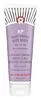
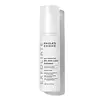
First Aid Beauty KP Bump Eraser Body Scrub With 10% AHA Versus Paula's Choice 8% AHA Lotion Exfoliant
This smoothing exfoliator is formulated around Glycolic Acid to refine skin texture and brighten dull-looking skin.

What's inside
What's inside
 Key Ingredients
Benefits
Concerns
Ingredients Side-by-side
Pumice
Abrasive

Water
Skin ConditioningGlycolic Acid
Buffering









Sodium Cocoyl Isethionate
Cleansing
Lactic Acid
Buffering
Dimethicone
Emollient
Stearic Acid
Cleansing


Cetearyl Alcohol
Emollient

Sodium Hydroxide
BufferingPalmitic Acid
Emollient
Glycerin
Humectant
C12-15 Alkyl Benzoate
AntimicrobialSorbitol
Humectant
Colloidal Oatmeal
Absorbent

Tocopherol
Antioxidant

Chrysanthemum Parthenium Extract
Skin ConditioningCamellia Sinensis Leaf Extract
Antimicrobial
Glycyrrhiza Glabra Root Extract
Bleaching
Salix Nigra Bark Extract
Skin ProtectingBisabolol
Antioxidant
Hydrogenated Coconut Acid
Emollient
Xanthan Gum
EmulsifyingSteareth-20
CleansingSteareth-21
CleansingMyristic Acid
Cleansing
Sodium Isethionate
CleansingPhenoxyethanol
Preservative
Potassium Sorbate
Preservative
Sodium Benzoate
Masking
Leuconostoc/Radish Root Ferment Filtrate
Antimicrobial
EDTA
ChelatingPumice, Water, Glycolic Acid, Sodium Cocoyl Isethionate, Lactic Acid, Dimethicone, Stearic Acid, Cetearyl Alcohol, Sodium Hydroxide, Palmitic Acid, Glycerin, C12-15 Alkyl Benzoate, Sorbitol, Colloidal Oatmeal, Tocopherol, Chrysanthemum Parthenium Extract, Camellia Sinensis Leaf Extract, Glycyrrhiza Glabra Root Extract, Salix Nigra Bark Extract, Bisabolol, Hydrogenated Coconut Acid, Xanthan Gum, Steareth-20, Steareth-21, Myristic Acid, Sodium Isethionate, Phenoxyethanol, Potassium Sorbate, Sodium Benzoate, Leuconostoc/Radish Root Ferment Filtrate, EDTA
Water
Skin ConditioningGlycolic Acid
Buffering
Caprylic/Capric Triglyceride
Masking
Glycerin
Humectant
Sodium Hydroxide
BufferingBeheneth-5
EmulsifyingDimethicone
Emollient
Neopentyl Glycol Dicaprylate/Dicaprate
EmollientPolyglyceryl-3 Stearate
Emulsifying
Behenyl Alcohol
Emollient
Undecane
EmollientArachidyl Alcohol
Emollient
Stearyl Alcohol
Emollient
Cetyl Alcohol
Emollient
Phospholipids
Skin Conditioning
Allantoin
Skin Conditioning
Tocopheryl Acetate
Antioxidant
Chamomilla Recutita Flower Extract
Masking
Helianthus Annuus Seed Oil
Emollient
Bisabolol
Antioxidant
Arctium Lappa Seed Oil
Emollient
Dipotassium Glycyrrhizate
Humectant
Panthenol
Skin Conditioning
Sodium Acrylates Copolymer
Tridecane
Perfuming

Hydrogenated Polydecene
EmollientSclerotium Gum
Emulsion StabilisingPolyglyceryl-10 Stearate
Skin Conditioning
Disodium EDTA
ChelatingTocopherol
Antioxidant
Chlorphenesin
Antimicrobial
Benzoic Acid
Masking
Sorbic Acid
Preservative
Ethylhexylglycerin
Skin ConditioningPhenoxyethanol
Preservative
Water, Glycolic Acid, Caprylic/Capric Triglyceride, Glycerin, Sodium Hydroxide, Beheneth-5, Dimethicone, Neopentyl Glycol Dicaprylate/Dicaprate, Polyglyceryl-3 Stearate, Behenyl Alcohol, Undecane, Arachidyl Alcohol, Stearyl Alcohol, Cetyl Alcohol, Phospholipids, Allantoin, Tocopheryl Acetate, Chamomilla Recutita Flower Extract, Helianthus Annuus Seed Oil, Bisabolol, Arctium Lappa Seed Oil, Dipotassium Glycyrrhizate, Panthenol, Sodium Acrylates Copolymer, Tridecane, Hydrogenated Polydecene, Sclerotium Gum, Polyglyceryl-10 Stearate, Disodium EDTA, Tocopherol, Chlorphenesin, Benzoic Acid, Sorbic Acid, Ethylhexylglycerin, Phenoxyethanol
Reviews
Ingredients Explained
These ingredients are found in both products.
Ingredients higher up in an ingredient list are typically present in a larger amount.
Bisabolol is a gentle skin conditioner, antioxidant, and soothing ingredient.
It's primary claim to fame is soothing and research shows topically applied bisabolol can quiet the chemical messengers that cause your skin to become inflamed, helping to sooth any irritation.
A clinical study found that applying 0.5% bisabolol daily for 8 weeks produced an average 9% decrease in skin pigmentation. Researchers found it can also suppress the process that leads to excess melanin production in skin.
In vitro studies found that bisabolol combined with propylene glycol significantly increased skin permeability by increasing lipid fluidity in the stratum corneum.
You'll likely see use concentrations quite low, usually 0.1-0.2%.
Overall, this is a well-tolerated ingredient that works well in formulas designed for sensitive, reactive, or post-procedure skin.
Learn more about BisabololDimethicone is a type of synthetic silicone created from natural materials such as quartz. It is also known as polydimethylsiloxane.
What it does:
Dimethicone comes in different viscosities:
Depending on the viscosity, dimethicone has different properties.
Ingredients lists don't always show which type is used, so we recommend reaching out to the brand if you have questions about the viscosity.
This ingredient is unlikely to cause irritation because it does not get absorbed into skin. However, people with silicone allergies should be careful about using this ingredient.
Note: Dimethicone may contribute to pilling. This is because it is not oil or water soluble, so pilling may occur when layered with products. When mixed with heavy oils in a formula, the outcome is also quite greasy.
Learn more about DimethiconeGlycerin (or glycerol) is a compound naturally found in your skin. It's a powerhouse humectant that pulls water into the stratum corneum.
Topically, glycerin does several things at once:
Your skin makes glycerin on its own (mostly from sebaceous oil breakdown) and shuttles it to your outermost layer of skin, or your epidermis, via aquaporin-3.
Aquaporin-3 is a transporter that is essential for normal skin hydration, elasticity, and repair. Interestingly, mice lacking in AQP3 have dry and less elastic skin that can be fully corrected with glycerin.
This ingredient is non-irritating, plays well with almost every ingredient, and works across all skin types. Typical use is anywhere between 3-10% but can go up to 79% in some leave-on products.
Just know very high concentrations (>40%) can feel tacky in low humidity.
Glycerin is the name for this ingredient in American English. British English uses Glycerol/Glycerine.
Learn more about GlycerinGlycolic Acid is arguably the most famous alpha hydroxy acid (AHA) with tons of research backing its benefits.
It is found naturally in sugar cane but the form used in skincare is usually synthetic for purity and stability.
Glycolic acid removes the top layer of dead skin cells to allow newer and fresher ones to emerge.
AHAs work by breaking down the structural “glue” that holds old skin cells in place. When that buildup is gone, your skin can renew itself more efficiently.
Research also shows glycolic acid stimulates collagen production, helping to firm and thicken the skin over time. This is one of its biggest advantages over other AHAs.
Overall, glycolic acid helps with:
Fun fact: Glycolic acid boosts skin hydration by helping it produce molecules that increase hyaluronic acid naturally.
To work best, glycolic acid products should have a pH between 3-4 (that’s where exfoliation is most effective but still gentle on skin).
The pH and concentration of a product are key to its effectiveness:
It is normal to feel a slight stinging sensation when using glycolic acid. This usually fades as your skin adjusts.
Because glycolic acid has the smallest molecular size in the AHA family, it can penetrate deeper, which enhances its effectiveness but also makes it more likely to irritate sensitive skin.
If your skin is very sensitive or prone to rosacea, glycolic acid may be too strong; in that case, try milder options like lactic acid or a PHA instead.
Recent studies suggest glycolic acid might even help protect against UV damage. But don’t skip sunscreen! Freshly exfoliated skin is more sensitive to the sun.
Glycolic acid is a skincare superstar. It smooths, brightens, hydrates, and firms the skin. Unless you’re highly sensitive, it’s well worth adding to your routine.
Read more about some other popular AHA's here:
Learn more about Glycolic AcidPhenoxyethanol is one of the most widely used preservatives in skincare (and for good reason!).
It has a large spectrum of antimicrobial activity and especially effective bacteria, yeast, and mold while only having a weak effect on your skin's natural microbiome.
On a cellular level, it disrupts the cell membranes of microbes by poking holes that make the cell leak. This shuts down the chemical reactions the microbe needs to make energy so it can no longer survive.
Another perk of this ingredient is that it stays functional across a wide pH range (3-10).
You'll often see it paired with boosters like Ethylhexylglycerin; one study showed that a 1:9 ratio of Ethylhexylglycerin to Phenoxyethanol damages bacterial membranes as effectively as doubling the Phenoxyethanol concentration on its own.
Typical use concentrations range from 0.3-1% depending on the formula, and this ingredient is capped at 1% int the EU.
Safety-wise, the fear mongering does not hold up to the evidence. The EU's Scientific Committee on Consumer Safety and FDA consider it safe as a preservative at up to 1%, including for children of all ages.
Adverse systemic effects only showed up in animal studies at exposures roughly 200x higher than what people get from cosmetics. And despite its very widespread use, this ingredient is a rare sensitizer and allergic reactions are uncommon.
Learn more about PhenoxyethanolSodium Hydroxide is also known as lye or caustic soda. It is used to adjust the pH of products; many ingredients require a specific pH to be effective.
In small amounts, sodium hydroxide is considered safe to use. However, large amounts may cause chemical burns due to its high alkaline.
Your skin has a natural pH and acid mantle. This acid mantle helps prevent harmful bacteria from breaking through. The acid mantle also helps keep your skin hydrated.
"Alkaline" refers to a high pH level. A low pH level would be considered acidic.
Learn more about Sodium HydroxideTocopherol is a fat-soluble antioxidant known as Vitamin E.
You'll find this ingredient in the vast majority of skincare (for good reason). It works to neutralize free radicals, or unstable molecules generated by UV exposure, pollution, and other environmental stressors, before they can cause oxidative damage to your skin cells.
Topically applied tocopherol has been shown to protect against UV damage by ramping up the skin's own natural defense enzymes.
It also acts as a skin conditioning agent; some studies show that regular topical use can improve the skin's water-binding capacity over 2-4 weeks.
This ingredient is especially loved for being a team player. When combined with Vitamin C, the photoprotective effect of both ingredients roughly doubles and the combo also helps reduce UV-induced DNA damage.
This ingredient has some brightening potential but it's more of a prevention ingredient than spot-fader. Cell studies show it can slow down melanin production but it's worth noting that it's not the most powerful brightener out there.
In formulations, it also serves as a stabilizer that helps protect other oxidation-prone ingredients from degrading.
Concentrations usually range from 0.1-1% in most leave-on products.
Learn more about TocopherolWater. It's the most common cosmetic ingredient of all. You'll usually see it at the top of ingredient lists, meaning that it makes up the largest part of the product.
So why is it so popular? Water most often acts as a solvent - this means that it helps dissolve other ingredients into the formulation.
You'll also recognize water as that liquid we all need to stay alive. If you see this, drink a glass of water. Remember to stay hydrated!
Learn more about Water

