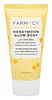
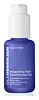
Farmacy Honeymoon Glow Body 12% AHA/BHA Resurfacing Serum Versus Olehenriksen Invigorating Night Transformation Gel
This smoothing serum is formulated around Glycolic Acid and Lactic Acid to refine skin texture and brighten dull-looking skin.


What's inside
What's inside
 Key Ingredients
Benefits
Concerns
Ingredients Side-by-side
Water
Skin ConditioningIsopentyldiol
Humectant
Lactic Acid
Buffering










Butyrospermum Parkii Butter
Skin Conditioning



C13-15 Alkane
SolventGlycerin
Humectant
Propanediol
Solvent
Potassium Hydroxide
BufferingIsoamyl Laurate
Emollient
Salicylic Acid
Masking



1,2-Hexanediol
Skin Conditioning
Arachidyl Alcohol
Emollient
Sodium Acrylates Copolymer
Honey Extract
Humectant
Propolis Extract
Skin Conditioning


Royal Jelly Extract
Skin Conditioning
Tocopherol
Antioxidant

Bisabolol
Antioxidant
Opuntia Ficus-Indica Stem Extract
Skin Conditioning
Curcuma Longa Root Extract
Antioxidant
Lauroyl Lysine
Skin Conditioning
Arachidyl Glucoside
EmulsifyingCellulose Gum
Emulsion StabilisingLecithin
Emollient
Bis-Diglyceryl Polyacyladipate-1
Emollient
Aroma

Ormenis Multicaulis Oil
Masking
Sodium Polyacryloyldimethyl Taurate
Emulsion StabilisingSodium Stearoyl Glutamate
CleansingInulin
Skin Conditioning
Melia Azadirachta Leaf Extract
Skin ConditioningMelia Azadirachta Flower Extract
Skin ConditioningBehenyl Alcohol
Emollient
Cellulose
Absorbent
Fructose
Humectant
Glucose
Humectant
Corallina Officinalis Extract
Skin Conditioning
Ocimum Basilicum Flower/Leaf Extract
TonicOcimum Sanctum Leaf Extract
Skin ConditioningCetearyl Alcohol
Emollient
Xanthan Gum
EmulsifyingMaltodextrin
Absorbent
Limonene
Perfuming
Water, Isopentyldiol, Lactic Acid, Butyrospermum Parkii Butter, C13-15 Alkane, Glycerin, Propanediol, Potassium Hydroxide, Isoamyl Laurate, Salicylic Acid, 1,2-Hexanediol, Arachidyl Alcohol, Sodium Acrylates Copolymer, Honey Extract, Propolis Extract, Royal Jelly Extract, Tocopherol, Bisabolol, Opuntia Ficus-Indica Stem Extract, Curcuma Longa Root Extract, Lauroyl Lysine, Arachidyl Glucoside, Cellulose Gum, Lecithin, Bis-Diglyceryl Polyacyladipate-1, Aroma, Ormenis Multicaulis Oil, Sodium Polyacryloyldimethyl Taurate, Sodium Stearoyl Glutamate, Inulin, Melia Azadirachta Leaf Extract, Melia Azadirachta Flower Extract, Behenyl Alcohol, Cellulose, Fructose, Glucose, Corallina Officinalis Extract, Ocimum Basilicum Flower/Leaf Extract, Ocimum Sanctum Leaf Extract, Cetearyl Alcohol, Xanthan Gum, Maltodextrin, Limonene
Water
Skin ConditioningGlycolic Acid
Buffering
Glycerin
Humectant
Chondrus Crispus
Masking
Xanthan Gum
EmulsifyingLactic Acid
Buffering
Potassium Hydroxide
BufferingVaccinium Myrtillus Fruit Extract
Skin ConditioningPhenoxyethanol
Preservative
Saccharum Officinarum Extract
MoisturisingPropylene Glycol
Humectant
Chlorphenesin
Antimicrobial
Citrus Limon Fruit Extract
Masking
Citrus Aurantium Dulcis Fruit Extract
MaskingAcer Saccharum Extract
Skin ConditioningSodium Dehydroacetate
Preservative
Citric Acid
Buffering
Parfum
Masking
Biosaccharide Gum-1
Humectant
Sodium Levulinate
Skin ConditioningCalcium Ascorbate
Antioxidant
Glyceryl Caprylate
EmollientTocopherol
Antioxidant
Glycine Soja Oil
Emollient
Sodium Anisate
AntimicrobialCI 77220
Cosmetic ColorantCalcium Carbonate
Abrasive
Glycyrrhiza Glabra Root Extract
Bleaching
Sodium Benzoate
Masking
Potassium Sorbate
Preservative
Benzyl Benzoate
Antimicrobial
Water, Glycolic Acid, Glycerin, Chondrus Crispus, Xanthan Gum, Lactic Acid, Potassium Hydroxide, Vaccinium Myrtillus Fruit Extract, Phenoxyethanol, Saccharum Officinarum Extract, Propylene Glycol, Chlorphenesin, Citrus Limon Fruit Extract, Citrus Aurantium Dulcis Fruit Extract, Acer Saccharum Extract, Sodium Dehydroacetate, Citric Acid, Parfum, Biosaccharide Gum-1, Sodium Levulinate, Calcium Ascorbate, Glyceryl Caprylate, Tocopherol, Glycine Soja Oil, Sodium Anisate, CI 77220, Calcium Carbonate, Glycyrrhiza Glabra Root Extract, Sodium Benzoate, Potassium Sorbate, Benzyl Benzoate
Alternatives
Ingredients Explained
These ingredients are found in both products.
Ingredients higher up in an ingredient list are typically present in a larger amount.
Glycerin (or glycerol) is a compound naturally found in your skin. It's a powerhouse humectant that pulls water into the stratum corneum.
Topically, glycerin does several things at once:
Your skin makes glycerin on its own (mostly from sebaceous oil breakdown) and shuttles it to your outermost layer of skin, or your epidermis, via aquaporin-3.
Aquaporin-3 is a transporter that is essential for normal skin hydration, elasticity, and repair. Interestingly, mice lacking in AQP3 have dry and less elastic skin that can be fully corrected with glycerin.
This ingredient is non-irritating, plays well with almost every ingredient, and works across all skin types. Typical use is anywhere between 3-10% but can go up to 79% in some leave-on products.
Just know very high concentrations (>40%) can feel tacky in low humidity.
Glycerin is the name for this ingredient in American English. British English uses Glycerol/Glycerine.
Learn more about GlycerinLactic Acid is another well-loved alpha hydroxy acid (AHA). It is gentler than glycolic acid but still highly effective.
Its main role is to exfoliate the surface of the skin by loosening the “glue” that holds dead skin cells together. Shedding those old cells leads to smoother, softer, and more even-toned skin.
Because lactic acid molecules are larger than glycolic acid, they don’t penetrate as deeply. This means they’re less likely to sting or irritate, making it a great choice for beginners or those with sensitive skin.
Like glycolic acid, it can:
Lactic acid also acts as a humectant (like hyaluronic acid). It can draw water into the skin to improve hydration and also plays a role in the skin's natural moisturizing factor (NMF) in the form of sodium lactate.
Studies show it can boost ceramide production to strengthen the skin barrier and even help balance the skin’s microbiome.
To get results, choose products with a pH between 3-4.
Lower strengths (5-12%) focus on surface exfoliation; higher strengths (12% and up) can reach deeper in the dermis (deeper, supportive layer) to improve skin texture and firmness over time.
Though it was originally derived from milk, most modern lactic acid used in skincare is vegan. It is made through non-dairy fermentation to create a bio-identical and stable form suitable for all formulations.
When lactic acid shows up near the end of an ingredient list, it usually means the brand added just a tiny amount to adjust the product’s pH.
Legend has it that Cleopatra used to bathe in sour milk to help reduce wrinkles.
Lactic acid is truly a gentle multitasker: it exfoliates, hydrates, strengthens, and brightens. It's a great ingredient for giving your skin a smooth, glowing, and healthy look without the harshness of stronger acids.
Read more about some other popular AHA's here:
Learn more about Lactic AcidPotassium Hydroxide (also known as potash) is a strong alkaline ingredient that does one job: it nudges a product's pH up so the whole formula lands in a skin-friendly range.
It's also the base that turns oils into liquid soap during the soap making process.
An expert safety panel reviewed it and found it safe when formulations are made to be non-irritating.
As a pH adjuster, it's typically used well under 1% though regulatory caps go much higher: 5% in nail cuticle removers and 2-4.5% in hair straighteners.
Though there is some concern for irritation from raw or high pH material, a well-balanced formula will be a non-issue for the vast majority of people.
Learn more about Potassium HydroxideTocopherol is a fat-soluble antioxidant known as Vitamin E.
You'll find this ingredient in the vast majority of skincare (for good reason). It works to neutralize free radicals, or unstable molecules generated by UV exposure, pollution, and other environmental stressors, before they can cause oxidative damage to your skin cells.
Topically applied tocopherol has been shown to protect against UV damage by ramping up the skin's own natural defense enzymes.
It also acts as a skin conditioning agent; some studies show that regular topical use can improve the skin's water-binding capacity over 2-4 weeks.
This ingredient is especially loved for being a team player. When combined with Vitamin C, the photoprotective effect of both ingredients roughly doubles and the combo also helps reduce UV-induced DNA damage.
This ingredient has some brightening potential but it's more of a prevention ingredient than spot-fader. Cell studies show it can slow down melanin production but it's worth noting that it's not the most powerful brightener out there.
In formulations, it also serves as a stabilizer that helps protect other oxidation-prone ingredients from degrading.
Concentrations usually range from 0.1-1% in most leave-on products.
Learn more about TocopherolWater. It's the most common cosmetic ingredient of all. You'll usually see it at the top of ingredient lists, meaning that it makes up the largest part of the product.
So why is it so popular? Water most often acts as a solvent - this means that it helps dissolve other ingredients into the formulation.
You'll also recognize water as that liquid we all need to stay alive. If you see this, drink a glass of water. Remember to stay hydrated!
Learn more about WaterXanthan gum is used as a stabilizer and thickener within cosmetic products. It helps give products a sticky, thick feeling - preventing them from being too runny.
On the technical side of things, xanthan gum is a polysaccharide - a combination consisting of multiple sugar molecules bonded together.
Xanthan gum is a pretty common and great ingredient. It is a natural, non-toxic, non-irritating ingredient that is also commonly used in food products.
Learn more about Xanthan Gum

