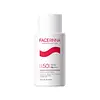
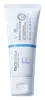
Facerinna Niacinamide Brightening Serum Sunscreen SPF 50 Versus Facerinna [5%] B5 Intensive Barrier Cream
This chemical sunscreen covers the full UV range and blocks ~98% of UVB at SPF 50.
This barrier-repair moisturizer is formulated around Panthenol and Centella Asiatica Leaf Extract to strengthen the skin barrier and calm redness.

What's inside
What's inside
 Key Ingredients
Benefits
Concerns
Ingredients Side-by-side
Water
Skin ConditioningEthylhexyl Methoxycinnamate
UV Absorber


Dimethicone
Emollient

Diethylamino Hydroxybenzoyl Hexyl Benzoate
UV Filter
Phenylbenzimidazole Sulfonic Acid
UV Absorber
Niacinamide
Smoothing










Isohexadecane
EmollientBis-Ethylhexyloxyphenol Methoxyphenyl Triazine
UV Absorber
Methylene Bis-Benzotriazolyl Tetramethylbutylphenol
UV Filter
Glyceryl Stearate
Emollient

Behenyl Alcohol
Emollient
Cetearyl Olivate
Tapioca Starch
Polymethylsilsesquioxane
Sodium Hydroxide
BufferingHydroxyacetophenone
Antioxidant
PEG-100 Stearate
Surfactant
1,2-Hexanediol
Skin Conditioning
Sorbitan Olivate
Emulsifying
Triacontanyl Pvp
HumectantCarbomer
Emulsion StabilisingUrea
Buffering
Decyl Glucoside
Cleansing
Dimethicone/Vinyl Dimethicone Crosspolymer
Skin Conditioning
Bisabolol
Antioxidant
Squalane
Emollient
Propylene Glycol
Humectant
Xanthan Gum
EmulsifyingBHT
Antioxidant
Water, Ethylhexyl Methoxycinnamate, Dimethicone, Diethylamino Hydroxybenzoyl Hexyl Benzoate, Phenylbenzimidazole Sulfonic Acid, Niacinamide, Isohexadecane, Bis-Ethylhexyloxyphenol Methoxyphenyl Triazine, Methylene Bis-Benzotriazolyl Tetramethylbutylphenol, Glyceryl Stearate, Behenyl Alcohol, Cetearyl Olivate, Tapioca Starch, Polymethylsilsesquioxane, Sodium Hydroxide, Hydroxyacetophenone, PEG-100 Stearate, 1,2-Hexanediol, Sorbitan Olivate, Triacontanyl Pvp, Carbomer, Urea, Decyl Glucoside, Dimethicone/Vinyl Dimethicone Crosspolymer, Bisabolol, Squalane, Propylene Glycol, Xanthan Gum, BHT
Water
Skin ConditioningGlycerin
Humectant
Panthenol
Skin Conditioning
Caprylyl Methicone
Skin Conditioning
Butylene Glycol
Humectant
Dimethicone
Emollient
Squalane
Emollient
Caprylic/Capric/Myristic/Stearic Triglyceride
EmollientCetyl PEG/PPG-10/1 Dimethicone
Emulsifying
Centella Asiatica Leaf Extract
Skin Conditioning
Zinc PCA
Humectant
Madecassoside
Antioxidant
Asiaticoside
Antioxidant
Arginine
Masking
Sodium Chloride
MaskingMagnesium Stearate
Cosmetic Colorant1,2-Hexanediol
Skin Conditioning
Caprylic/Capric/Succinic Triglyceride
EmollientPolyglyceryl-3 Diisostearate
Emulsifying

Tocopheryl Acetate
Antioxidant
Titanium Dioxide
Cosmetic Colorant
Maltodextrin
Absorbent
Lactobacillus Ferment
Skin Conditioning
Aluminum Hydroxide
EmollientTriethoxycaprylylsilane
Hydroxyacetophenone
Antioxidant
Disodium EDTA
Water, Glycerin, Panthenol, Caprylyl Methicone, Butylene Glycol, Dimethicone, Squalane, Caprylic/Capric/Myristic/Stearic Triglyceride, Cetyl PEG/PPG-10/1 Dimethicone, Centella Asiatica Leaf Extract, Zinc PCA, Madecassoside, Asiaticoside, Arginine, Sodium Chloride, Magnesium Stearate, 1,2-Hexanediol, Caprylic/Capric/Succinic Triglyceride, Polyglyceryl-3 Diisostearate, Tocopheryl Acetate, Titanium Dioxide, Maltodextrin, Lactobacillus Ferment, Aluminum Hydroxide, Triethoxycaprylylsilane, Hydroxyacetophenone, Disodium EDTA
Reviews
Ingredients Explained
These ingredients are found in both products.
Ingredients higher up in an ingredient list are typically present in a larger amount.
1,2-Hexanediol is a synthetic liquid and another multi-functional powerhouse.
It is a:
- Humectant, drawing moisture into the skin
- Emollient, helping to soften skin
- Solvent, dispersing and stabilizing formulas
- Preservative booster, enhancing the antimicrobial activity of other preservatives
Dimethicone is a type of synthetic silicone created from natural materials such as quartz. It is also known as polydimethylsiloxane.
What it does:
Dimethicone comes in different viscosities:
Depending on the viscosity, dimethicone has different properties.
Ingredients lists don't always show which type is used, so we recommend reaching out to the brand if you have questions about the viscosity.
This ingredient is unlikely to cause irritation because it does not get absorbed into skin. However, people with silicone allergies should be careful about using this ingredient.
Note: Dimethicone may contribute to pilling. This is because it is not oil or water soluble, so pilling may occur when layered with products. When mixed with heavy oils in a formula, the outcome is also quite greasy.
Learn more about DimethiconeHydroxyacetophenone is a small phenolic molecule that earns its place in a formulas as an antioxidant and preservative booster.
As a phenol, it is able to neutralize free radicals to protect both the product and the skin from oxidative stress.
Though it can't kill microbes on its own, it works as a good supporting agent when combined with other preservatives like Phenoxyethanol or 1,2-Hexanediol.
This ingredient naturally occurs as piceol in Norwegian spruce needles (~0.4-1.1% dry weight and in cloudberries). Though the cosmetic-grade material is synthesized for purity and consistency.
You'll usually see it used at low levels and suppliers recommend up to 1% added to a water phase.
Safety testing was done at concentrations like 0.05% in SPF products and 0.5% in a Human Repeated Insult Patch Test. The safety evidence is assuring; this ingredient is safe for cosmetics in current use and also holds safety status as a food flavoring as well.
An honest caveat: the "soothing" and "anti-inflammatory" claims come mostly from supplier marketing rather than published clinical trials. The Cosmetic Ingredient Review's own literature search found no useful efficacy studies on this ingredient.
So the antioxidant and preservative-boosting roles are the well supported ones while the calming benefit is plausible but thinly evidenced.
Overall, this is a well-tolerated, low-irritation multitasker that quietly helps a formula stay fresh and stable.
Learn more about HydroxyacetophenoneSqualane is the hydrogenated and shelf-stable form of squalene (a lipid that naturally occurs in human sebum).
It is an emollient and skin conditioning agent that is able to integrate seamlessly into the skin's lipid barrier without clogging pores.
This is due to how structurally similar it is to what your skin already produces.
Though it is mostly an emollient that helps soften and hydrate skin, it also has some humectant and occlusive action. Humectants help the skin retain moisture while occlusives seal it in, making squalane a triple-threat moisturizer.
Research shows it has antioxidant capabilities that help protect against stressors like UV exposure, specifically UVA induced oxidative stress. This study also found that it supports collagen biosynthesis in human dermal fibroblasts.
No clinical study has reported significant adverse effects and irritation reactions are very rare from this ingredient (even at 100% concentration).
Overall, it's a fantastic ingredient for hydration and is suitable for all skin types.
This depends on the source. Squalane can be derived from both plants and animals. Most squalane used in skincare comes from plants.
Please note: the source of squalane is only known if disclosed by the brand. We recommend reaching out to the brand if you have any questions about their squalane.
Read more about squalene with an "e".
Though squalane is often called an oil, it’s technically not one. It is a hydrocarbon, meaning it is only made of carbon and hydrogen. True oils are triglycerides and made of fatty acids and glycerol.
The term “oil-free” isn’t regulated so companies can define it however they want. Some exclude all oils, while others just avoid mineral oil or comedogenic oils.
Squalane has a comedogenic rating of 1 from the original 1972 study that tested raw ingredients under occlusion on rabbit ears. This system is not standardized or peer-reviewed, and using the raw ingredients is very different from how diluted cosmetic formulations are used on human skin.
A comedogenic rating of 1 means it is "unlikely to clog pores" according to the original rating system.
The overall formula of a product matters more than the individual ingredients on whether or not it will cause clogged pores.
Learn more about SqualaneWater. It's the most common cosmetic ingredient of all. You'll usually see it at the top of ingredient lists, meaning that it makes up the largest part of the product.
So why is it so popular? Water most often acts as a solvent - this means that it helps dissolve other ingredients into the formulation.
You'll also recognize water as that liquid we all need to stay alive. If you see this, drink a glass of water. Remember to stay hydrated!
Learn more about Water

