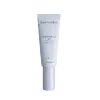
This calming moisturizer is formulated around Sodium Hyaluronate and Aloe Barbadensis Leaf Juice Powder to calm redness and hydrate skin.
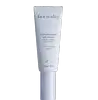
This hydrating serum is formulated around Beta-Glucan and Sodium Hyaluronate to hydrate skin and calm redness.

What's inside
What's inside
 Key Ingredients
Benefits
Concerns
Ingredients Side-by-side
Water
Skin ConditioningGlycerin
Humectant


Carbomer
Emulsion StabilisingMaltodextrin
Absorbent
Phenethyl Alcohol
MaskingCaprylyl Glycol
Emollient
Sodium Hydroxide
BufferingAlcohol Denat.
Antimicrobial




Sodium Hyaluronate
Humectant


Aloe Barbadensis Leaf Juice Powder
Skin Conditioning
Potassium Sorbate
Preservative
Syringa Vulgaris Leaf Cell Culture Extract
Skin ConditioningSodium Metabisulfite
Antioxidant
Lonicera Japonica Flower Extract
Skin ConditioningSantalum Austrocaledonicum Wood Oil
Masking


Trisodium Ethylenediamine Disuccinate
Hamamelis Virginiana Water
Astringent
Lavandula Angustifolia Oil
Masking
Rosa Damascena Flower Oil
Masking
Citric Acid
Buffering

Lonicera Caprifolium Flower Extract
Perfuming
Cananga Odorata Flower Oil
Masking
Chlorophyllin-Copper Complex
Antioxidant
Totarol
Antioxidant
Acetyl Tributyl Citrate
Masking
Alcohol
Antimicrobial
Cinnamomum Camphora Bark Oil
Masking
Citrus Aurantium Dulcis Peel Oil
Masking
Phenyl T-Butylnitrone
Antioxidant
Water, Glycerin, Carbomer, Maltodextrin, Phenethyl Alcohol, Caprylyl Glycol, Sodium Hydroxide, Alcohol Denat., Sodium Hyaluronate, Aloe Barbadensis Leaf Juice Powder, Potassium Sorbate, Syringa Vulgaris Leaf Cell Culture Extract, Sodium Metabisulfite, Lonicera Japonica Flower Extract, Santalum Austrocaledonicum Wood Oil, Trisodium Ethylenediamine Disuccinate, Hamamelis Virginiana Water, Lavandula Angustifolia Oil, Rosa Damascena Flower Oil, Citric Acid, Lonicera Caprifolium Flower Extract, Cananga Odorata Flower Oil, Chlorophyllin-Copper Complex, Totarol, Acetyl Tributyl Citrate, Alcohol, Cinnamomum Camphora Bark Oil, Citrus Aurantium Dulcis Peel Oil, Phenyl T-Butylnitrone
Water
Skin ConditioningGlycerin
Humectant
Beta-Glucan
Skin Conditioning
Sodium Hyaluronate
Humectant
Sodium Hyaluronate Crosspolymer
Humectant
Sodium Acetylated Hyaluronate
Humectant
Hydrolyzed Sodium Hyaluronate
Skin Conditioning
Dipotassium Glycyrrhizate
Humectant
Ceramide NP
Skin Conditioning
Lactobacillus Ferment
Skin Conditioning
Panthenol
Skin Conditioning
Alpha-Glucan Oligosaccharide
Cleansing
Bisabolol
Antioxidant
Sucrose Stearate
EmollientXylitylglucoside
Humectant
Anhydroxylitol
Humectant
Hydrogenated Lecithin
Emulsifying
Inulin
Skin Conditioning
Xylitol
Humectant
Arnica Montana Flower Extract
Masking
Madecassic Acid
Skin Conditioning
Asiatic Acid
Skin Conditioning
Maltodextrin
Absorbent
Hydrolyzed Gardenia Florida Extract
Antioxidant
Dimethicone
Emollient
Propanediol
Solvent
Phenoxyethanol
Preservative
Carbomer
Emulsion StabilisingButylene Glycol
Humectant
Caprylyl Glycol
Emollient
Polyglyceryl-10 Stearate
Skin Conditioning
Ethylhexylglycerin
Skin ConditioningHexylene Glycol
EmulsifyingSodium Hydroxide
BufferingSodium Phytate
Pentylene Glycol
Skin Conditioning
Water, Glycerin, Beta-Glucan, Sodium Hyaluronate, Sodium Hyaluronate Crosspolymer, Sodium Acetylated Hyaluronate, Hydrolyzed Sodium Hyaluronate, Dipotassium Glycyrrhizate, Ceramide NP, Lactobacillus Ferment, Panthenol, Alpha-Glucan Oligosaccharide, Bisabolol, Sucrose Stearate, Xylitylglucoside, Anhydroxylitol, Hydrogenated Lecithin, Inulin, Xylitol, Arnica Montana Flower Extract, Madecassic Acid, Asiatic Acid, Maltodextrin, Hydrolyzed Gardenia Florida Extract, Dimethicone, Propanediol, Phenoxyethanol, Carbomer, Butylene Glycol, Caprylyl Glycol, Polyglyceryl-10 Stearate, Ethylhexylglycerin, Hexylene Glycol, Sodium Hydroxide, Sodium Phytate, Pentylene Glycol
Reviews
Ingredients Explained
These ingredients are found in both products.
Ingredients higher up in an ingredient list are typically present in a larger amount.
Caprylyl Glycol is a humectant, skin conditioner, emollient, and preservative booster derived from either caprylic acid or synthetically created.
Typical use levels vary from 0.3-1% as a preservative booster and go up to 2% to condition skin.
Because it is not a free-fatty acid, this ingredient is fungal acne safe (there's nothing for Malassezia to feed on).
Learn more about Caprylyl GlycolCarbomer is a synthetic thickening and gelling agent. It's basically the ingredient that gives a lot of serums, gels, creams, and sunscreens their smooth, non-sticky texture.
Although legally permitted at very high levels, carbomers are normally used at concentrations below 1%.
It also needs to be neutralized to actually thicken, and because it is a large molecule, it doesn't really penetrate the skin barrier.
Allergy-wise, the risk is very low. Clinical studies show carbomers have low potential for skin irritation/sensitization even at concentrations up to 100%.
A 2024 UK study patch-tested 1,302 patients and found true allergy to the parent group of carbomer to be rare with no confirmed relevant reactions.
Learn more about CarbomerGlycerin (or glycerol) is a compound naturally found in your skin. It's a powerhouse humectant that pulls water into the stratum corneum.
Topically, glycerin does several things at once:
Your skin makes glycerin on its own (mostly from sebaceous oil breakdown) and shuttles it to your outermost layer of skin, or your epidermis, via aquaporin-3.
Aquaporin-3 is a transporter that is essential for normal skin hydration, elasticity, and repair. Interestingly, mice lacking in AQP3 have dry and less elastic skin that can be fully corrected with glycerin.
This ingredient is non-irritating, plays well with almost every ingredient, and works across all skin types. Typical use is anywhere between 3-10% but can go up to 79% in some leave-on products.
Just know very high concentrations (>40%) can feel tacky in low humidity.
Glycerin is the name for this ingredient in American English. British English uses Glycerol/Glycerine.
Learn more about GlycerinMaltodextrin is a plant-derived carbohydrate made by breaking down starch (usually from corn, potato, or rice). In cosmetic formulas, it's a multitasking absorbent, emulsion stabilizer, and skin conditioner.
This ingredient is mostly used to stabilize emulsions and improve the powdery, non-greasy feel of products (like dry shampoos).
Safety-wise, this ingredient is pretty solid; it's even recognized as a food additive. Both animal and clinical studies found no adverse effects at the levels used in cosmetics.
Industry data shows this ingredient is used up to 45.7% in spray products and up to 33% in powder products.
Learn more about MaltodextrinSodium Hyaluronate is the salt form of hyaluronic acid. It is a long sugar chain that is naturally found in your skin, joints, and connective tissue that maintains hydration and elasticity.
In skincare, it works as a humectant. It pulls water from the environment and deeper layers of skin and binds it to the surface.
Interestingly, the size of the molecule affects its behavior:
Some clinical evidence links low molecular weight versions to improved wrinkle depth, elasticity, anti-inflammatory effects, and barrier repair.
Many serums use a blend of both weights so you can get surface hydration plus longer-lasting and deeper effects.
You'll typically see concentrations between 0.1-2% for this ingredient.
Learn more about Sodium HyaluronateSodium Hydroxide is also known as lye or caustic soda. It is used to adjust the pH of products; many ingredients require a specific pH to be effective.
In small amounts, sodium hydroxide is considered safe to use. However, large amounts may cause chemical burns due to its high alkaline.
Your skin has a natural pH and acid mantle. This acid mantle helps prevent harmful bacteria from breaking through. The acid mantle also helps keep your skin hydrated.
"Alkaline" refers to a high pH level. A low pH level would be considered acidic.
Learn more about Sodium HydroxideWater. It's the most common cosmetic ingredient of all. You'll usually see it at the top of ingredient lists, meaning that it makes up the largest part of the product.
So why is it so popular? Water most often acts as a solvent - this means that it helps dissolve other ingredients into the formulation.
You'll also recognize water as that liquid we all need to stay alive. If you see this, drink a glass of water. Remember to stay hydrated!
Learn more about Water

