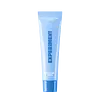
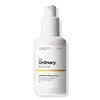
Experiment Beauty Molecular Mesh Barrier Strengthening Moisturizer Versus The Ordinary UV Filters SPF 45 Serum
This barrier-repair moisturizer is formulated around Centella Asiatica Extract and Ectoin to strengthen the skin barrier and hydrate skin.
This chemical sunscreen covers most of the UV range, lighter on the deep UVA that drives aging.


What's inside
What's inside
 Key Ingredients
Benefits
Concerns
Ingredients Side-by-side
Water
Skin ConditioningCaprylic/Capric Triglyceride
Masking


Glycerin
Humectant
Carthamus Tinctorius Seed Oil
Masking


Cetearyl Alcohol
Emollient



Diglycerin
Humectant
C10-18 Triglycerides
Emollient
Petrolatum
Emollient
Phenyl Trimethicone
Skin Conditioning
Ceteareth-20
Cleansing
Dimethicone
Emollient
Phenoxyethanol
Preservative
Hydroxyethyl Acrylate/Sodium Acryloyldimethyl Taurate Copolymer
Emulsion StabilisingCentella Asiatica Extract
Cleansing



Squalane
Emollient
Ectoin
Skin Conditioning
Phospholipids
Skin Conditioning
Euphorbia Cerifera Cera
Astringent
Polysorbate 60
Emulsifying
Phytosphingosine
Skin Conditioning
Ethylhexylglycerin
Skin ConditioningSodium Polyacrylate
Absorbent
Sorbitan Isostearate
Emulsifying
PEG-40 Hydrogenated Castor Oil
Emulsifying
Polysorbate 20
Emulsifying
Guaiazulene
Antimicrobial

Tocopheryl Acetate
Antioxidant


Caprylyl Glycol
Emollient
Water, Caprylic/Capric Triglyceride, Glycerin, Carthamus Tinctorius Seed Oil, Cetearyl Alcohol, Diglycerin, C10-18 Triglycerides, Petrolatum, Phenyl Trimethicone, Ceteareth-20, Dimethicone, Phenoxyethanol, Hydroxyethyl Acrylate/Sodium Acryloyldimethyl Taurate Copolymer, Centella Asiatica Extract, Squalane, Ectoin, Phospholipids, Euphorbia Cerifera Cera, Polysorbate 60, Phytosphingosine, Ethylhexylglycerin, Sodium Polyacrylate, Sorbitan Isostearate, PEG-40 Hydrogenated Castor Oil, Polysorbate 20, Guaiazulene, Tocopheryl Acetate, Caprylyl Glycol
Butyl Methoxydibenzoylmethane 3%
UV Absorber
Homosalate 7%
Skin Conditioning
Ethylhexyl Salicylate 4.5%
UV Absorber
Octocrylene 10%
UV Absorber
Water
Skin ConditioningBehenyl Acrylate
Biosaccharide Gum-2
Skin ConditioningButyloctyl Salicylate
Skin Conditioning
Chlorphenesin
Antimicrobial
Diethylhexyl 2,6-Naphthalate
EmollientDimethicone/Vinyl Dimethicone Crosspolymer
Skin Conditioning
Glycerin
Humectant
Isododecane
EmollientMagnesium Sulfate
Acetyl Carnosine
Skin ProtectingP-Anisic Acid
MaskingPentylene Glycol
Skin Conditioning
Phenoxyethanol
Preservative
Propanediol
Solvent
Sodium Citrate
BufferingPhospholipids
Skin Conditioning
Sphingolipids
Emollient
Tocopherol
Antioxidant
Tri (Polyglyceryl-3/Lauryl) Hydrogenated Trilinoleate
EmulsifyingTrisodium Ethylenediamine Disuccinate
ChelatingButyl Methoxydibenzoylmethane 3%, Homosalate 7%, Ethylhexyl Salicylate 4.5%, Octocrylene 10%, Water, Behenyl Acrylate, Biosaccharide Gum-2, Butyloctyl Salicylate, Chlorphenesin, Diethylhexyl 2,6-Naphthalate, Dimethicone/Vinyl Dimethicone Crosspolymer, Glycerin, Isododecane, Magnesium Sulfate, Acetyl Carnosine, P-Anisic Acid, Pentylene Glycol, Phenoxyethanol, Propanediol, Sodium Citrate, Phospholipids, Sphingolipids, Tocopherol, Tri (Polyglyceryl-3/Lauryl) Hydrogenated Trilinoleate, Trisodium Ethylenediamine Disuccinate
Reviews
Ingredients Explained
These ingredients are found in both products.
Ingredients higher up in an ingredient list are typically present in a larger amount.
Glycerin (or glycerol) is a compound naturally found in your skin. It's a powerhouse humectant that pulls water into the stratum corneum.
Topically, glycerin does several things at once:
Your skin makes glycerin on its own (mostly from sebaceous oil breakdown) and shuttles it to your outermost layer of skin, or your epidermis, via aquaporin-3.
Aquaporin-3 is a transporter that is essential for normal skin hydration, elasticity, and repair. Interestingly, mice lacking in AQP3 have dry and less elastic skin that can be fully corrected with glycerin.
This ingredient is non-irritating, plays well with almost every ingredient, and works across all skin types. Typical use is anywhere between 3-10% but can go up to 79% in some leave-on products.
Just know very high concentrations (>40%) can feel tacky in low humidity.
Glycerin is the name for this ingredient in American English. British English uses Glycerol/Glycerine.
Learn more about GlycerinPhenoxyethanol is one of the most widely used preservatives in skincare (and for good reason!).
It has a large spectrum of antimicrobial activity and especially effective bacteria, yeast, and mold while only having a weak effect on your skin's natural microbiome.
On a cellular level, it disrupts the cell membranes of microbes by poking holes that make the cell leak. This shuts down the chemical reactions the microbe needs to make energy so it can no longer survive.
Another perk of this ingredient is that it stays functional across a wide pH range (3-10).
You'll often see it paired with boosters like Ethylhexylglycerin; one study showed that a 1:9 ratio of Ethylhexylglycerin to Phenoxyethanol damages bacterial membranes as effectively as doubling the Phenoxyethanol concentration on its own.
Typical use concentrations range from 0.3-1% depending on the formula, and this ingredient is capped at 1% int the EU.
Safety-wise, the fear mongering does not hold up to the evidence. The EU's Scientific Committee on Consumer Safety and FDA consider it safe as a preservative at up to 1%, including for children of all ages.
Adverse systemic effects only showed up in animal studies at exposures roughly 200x higher than what people get from cosmetics. And despite its very widespread use, this ingredient is a rare sensitizer and allergic reactions are uncommon.
Learn more about PhenoxyethanolPhospholipids are a family of skin-identical lipids that makeup the structural backbone of every cell membrane in your body.
In cosmetics, they function as skin conditioning agents with emulsifier and surfactant properties. They're typically sourced from soybean or sunflower lecithin (or sometimes egg yolk or marine sources).
Because they mirror the lipids naturally found in the deeper layers of your skin, topical phospholipids help reinforce the lipid matrix, reduce transepidermal water loss, and leave skin feeling conditioned.
They're also used to form liposomes, or tiny self-assembling vesible used to stabilize actives like vitamin c or retinol. This helps these ingredients integrate into the upper layers of skin more easily.
Phospholipids are compatible with everything and the CIR Expert Panel has concluded them to be safe at current use levels.
Some types of phospholipids include:
Learn more about PhospholipidsWater. It's the most common cosmetic ingredient of all. You'll usually see it at the top of ingredient lists, meaning that it makes up the largest part of the product.
So why is it so popular? Water most often acts as a solvent - this means that it helps dissolve other ingredients into the formulation.
You'll also recognize water as that liquid we all need to stay alive. If you see this, drink a glass of water. Remember to stay hydrated!
Learn more about Water

