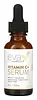
This brightening serum is formulated around Sodium Ascorbyl Phosphate and Niacinamide to brighten dull-looking skin and refine skin texture.
This anti-aging serum is formulated around Niacinamide and Carnosine to soften the look of wrinkles.


What's inside
What's inside
 Key Ingredients
Benefits
Concerns
Ingredients Side-by-side
Water
Skin ConditioningDimethyl Sulfone
SolventSodium Ascorbyl Phosphate
Antioxidant







Niacinamide
Smoothing





Squalane
Emollient
Rosa Canina Fruit Oil
Emollient


Salicylic Acid
Masking




Phenoxyethanol
Preservative
Acrylates/C10-30 Alkyl Acrylate Crosspolymer
Emulsion StabilisingPentylene Glycol
Skin Conditioning
Lecithin
Emollient
Glycerin
Humectant
Sodium Hydroxide
BufferingMelaleuca Alternifolia Leaf Oil
Antioxidant

Lavandula Officinalis Flower Oil
Perfuming
Cananga Odorata Flower Oil
Masking
Retinol
Skin Conditioning
Polysorbate 20
Emulsifying
Ethylhexylglycerin
Skin ConditioningAlcohol
Antimicrobial
Tocopherol
Antioxidant
Potassium Phosphate
BufferingCaesalpinia Spinosa Gum
Skin ConditioningPotassium Sorbate
Preservative
Sodium Benzoate
Masking
Centella Asiatica Extract
Cleansing
Geranium Maculatum Extract
TonicEquisetum Arvense Extract
AstringentTaraxacum Officinale Extract
Skin ConditioningWater, Dimethyl Sulfone, Sodium Ascorbyl Phosphate, Niacinamide, Squalane, Rosa Canina Fruit Oil, Salicylic Acid, Phenoxyethanol, Acrylates/C10-30 Alkyl Acrylate Crosspolymer, Pentylene Glycol, Lecithin, Glycerin, Sodium Hydroxide, Melaleuca Alternifolia Leaf Oil, Lavandula Officinalis Flower Oil, Cananga Odorata Flower Oil, Retinol, Polysorbate 20, Ethylhexylglycerin, Alcohol, Tocopherol, Potassium Phosphate, Caesalpinia Spinosa Gum, Potassium Sorbate, Sodium Benzoate, Centella Asiatica Extract, Geranium Maculatum Extract, Equisetum Arvense Extract, Taraxacum Officinale Extract
Water
Skin ConditioningNiacinamide
Smoothing
Lavandula Angustifolia Flower Water
Skin Conditioning
Panthenol
Skin Conditioning
Glycerin
Humectant
Carnosine
Skin Conditioning
Betaine
Humectant
Gluconolactone
Chelating
Dipeptide Diaminobutyroyl Benzylamide Diacetate
Skin Conditioning
Sodium Hyaluronate
Humectant
Sodium Hyaluronate Crosspolymer
Humectant
Sodium Acetylated Hyaluronate
Humectant
Hydrolyzed Sodium Hyaluronate
Skin Conditioning
Bisabolol
Antioxidant
Fructose
Humectant
Urea
Buffering
Trehalose
Humectant
Allantoin
Skin Conditioning
Maltose
MaskingLinum Usitatissimum Seed Extract
Perfuming
Laminaria Ochroleuca Extract
Skin Conditioning
Coffea Arabica Fruit Extract
Antioxidant
Fucus Vesiculosus Extract
Emollient
Aesculus Hippocastanum Extract
Antioxidant
Equisetum Arvense Extract
AstringentHedera Helix Extract
AntimicrobialTocopherol
Antioxidant
Squalene
Emollient
Beta-Sitosterol
Emulsion Stabilising
Glycine Soja Oil
Emollient

Pentylene Glycol
Skin Conditioning
Carbomer
Emulsion StabilisingXanthan Gum
EmulsifyingCitric Acid
Buffering
Sodium Lactate
Buffering
Glucose
Humectant
Sodium PCA
Humectant
Sodium Chloride
MaskingFarnesol
Perfuming
Sodium Hydroxide
BufferingSodium Benzoate
Masking
Benzyl Alcohol
Perfuming
Potassium Sorbate
Preservative
Ethylhexylglycerin
Skin ConditioningBenzoic Acid
Masking
Dehydroacetic Acid
Preservative
Water, Niacinamide, Lavandula Angustifolia Flower Water, Panthenol, Glycerin, Carnosine, Betaine, Gluconolactone, Dipeptide Diaminobutyroyl Benzylamide Diacetate, Sodium Hyaluronate, Sodium Hyaluronate Crosspolymer, Sodium Acetylated Hyaluronate, Hydrolyzed Sodium Hyaluronate, Bisabolol, Fructose, Urea, Trehalose, Allantoin, Maltose, Linum Usitatissimum Seed Extract, Laminaria Ochroleuca Extract, Coffea Arabica Fruit Extract, Fucus Vesiculosus Extract, Aesculus Hippocastanum Extract, Equisetum Arvense Extract, Hedera Helix Extract, Tocopherol, Squalene, Beta-Sitosterol, Glycine Soja Oil, Pentylene Glycol, Carbomer, Xanthan Gum, Citric Acid, Sodium Lactate, Glucose, Sodium PCA, Sodium Chloride, Farnesol, Sodium Hydroxide, Sodium Benzoate, Benzyl Alcohol, Potassium Sorbate, Ethylhexylglycerin, Benzoic Acid, Dehydroacetic Acid
Ingredients Explained
These ingredients are found in both products.
Ingredients higher up in an ingredient list are typically present in a larger amount.
This botanical extract is also known as horsetail extract. It mainly acts as an emollient, skin soother, and astringent.
A study from 2023 found compounds in Equisetum Arvense showed significant anti-inflammatory effects in irritated keratinocytes (the main cell in your outermost layer of skin).
Another study using a cream with horsetail and soybean extract found 80% of participants showed at least a 26% improvement in forehead wrinkles after 8 weeks.
Animal research has shown topical Equisetum Arvense stimulated skin and tissue growth in mice.
The research so far is encouraging, but still in its early days. But it's a lovely supporting ingredient and can be a welcome addition to any routine.
Learn more about Equisetum Arvense ExtractEthylhexylglycerin is created from glycerin. It is a multitasker ingredient that:
The CIR Expert Panel found minimal skin absorption or sensitization of any kind in a safety assessment. Though this ingredient is considered well-tolerated, a small number of cases of allergic dermatitis have been published since 2002. Just be sure to patch test if you are unsure.
Industry-reported use ranges from 8% in rinse-off products and 2% in leave-on formulations.
Learn more about EthylhexylglycerinGlycerin (or glycerol) is a compound naturally found in your skin. It's a powerhouse humectant that pulls water into the stratum corneum.
Topically, glycerin does several things at once:
Your skin makes glycerin on its own (mostly from sebaceous oil breakdown) and shuttles it to your outermost layer of skin, or your epidermis, via aquaporin-3.
Aquaporin-3 is a transporter that is essential for normal skin hydration, elasticity, and repair. Interestingly, mice lacking in AQP3 have dry and less elastic skin that can be fully corrected with glycerin.
This ingredient is non-irritating, plays well with almost every ingredient, and works across all skin types. Typical use is anywhere between 3-10% but can go up to 79% in some leave-on products.
Just know very high concentrations (>40%) can feel tacky in low humidity.
Glycerin is the name for this ingredient in American English. British English uses Glycerol/Glycerine.
Learn more about GlycerinNiacinamide is a multitasking form of vitamin B3 that strengthens the skin barrier, reduces pores and dark spots, regulates oil, and improves signs of aging.
And the best part? It's gentle and well-tolerated by most skin types, including sensitive and reactive skin.
You might have heard of "niacin flush", or the reddening of skin that causes itchiness. Niacinamide has not been found to cause this.
In very rare cases, some individuals may not be able to tolerate niacinamide at all or experience an allergic reaction to it.
If you are experiencing flaking, irritation, and dryness with this ingredient, be sure to double check all your products as this ingredient can be found in all categories of skincare.
When incorporating niacinamide into your routine, look out for concentration amounts. Typically, 5% niacinamide provides benefits such as fading dark spots. However, if you have sensitive skin, it is better to begin with a smaller concentration.
When you apply niacinamide to your skin, your body converts it into nicotinamide adenine dinucleotide (NAD). NAD is an essential coenzyme that is already found in your cells as "fuel" and powers countless biological processes.
In your skin, NAD helps repair cell damage, produce new healthy cells, support collagen production, strengthen the skin barrier, and fight environmental stressors (like UV and pollution).
Our natural NAD levels start to decline with age, leading to slower skin repair, visible aging, and a weaker skin barrier. By providing your skin niacinamide, you're recharging your skin's NAD levels. This leads to stronger, healthier, and younger looking skin.
Another name for vitamin B3 is nicotinamide. This vitamin is water-soluble and our bodies don't store it. We obtain Vitamin B3 from either food or skincare. Meat, fish, wheat, yeast, and leafy greens contain vitamin B3.
The type of niacinamide used in skincare is synthetically created.
Learn more about NiacinamidePentylene Glycol (1,2-pentanediol) is a multitasking little diol with three main roles in a formula:
Research on alkanediols (the family pentylene glycol belongs to) show they work by disrupting microbial cell membranes. This disruption helps the primary preservative system in a product work more effectively at lower doses.
On the safety side, the Cosmetic Ingredient Review Expert Panel has concluded this ingredient to be safe as used in current cosmetic practices + concentrations.
Typical use levels in a formula run about 1-5%.
Learn more about Pentylene GlycolPotassium Sorbate is a preservative used to prevent yeast and mold in products. It is commonly found in both cosmetic and food products.
This ingredient comes from potassium salt derived from sorbic acid. Sorbic acid is a natural antibiotic and effective against fungus.
Both potassium sorbate and sorbic acid can be found in baked goods, cheeses, dried meats, dried fruit, ice cream, pickles, wine, yogurt, and more.
You'll often find this ingredient used with other preservatives.
Learn more about Potassium SorbateSodium Benzoate is a preservative. It's used in both cosmetic and food products to inhibit the growth of mold and bacteria. It is typically produced synthetically.
Both the US FDA and EU Health Committee have approved the use of sodium benzoate. In the US, levels of 0.1% (of the total product) are allowed.
Sodium benzoate works as a preservative by inhibiting the growth of bacteria inside of cells. It prevents the cell from fermenting a type of sugar using an enzyme called phosphofructokinase.
It is the salt of benzoic acid. Foods containing sodium benzoate include soda, salad dressings, condiments, fruit juices, wines, and snack foods.
Studies for using ascorbic acid and sodium benzoate in cosmetics are lacking, especially in skincare routines with multiple steps.
We always recommend speaking with a professional, such as a dermatologist, if you have any concerns.
Learn more about Sodium BenzoateSodium Hydroxide is also known as lye or caustic soda. It is used to adjust the pH of products; many ingredients require a specific pH to be effective.
In small amounts, sodium hydroxide is considered safe to use. However, large amounts may cause chemical burns due to its high alkaline.
Your skin has a natural pH and acid mantle. This acid mantle helps prevent harmful bacteria from breaking through. The acid mantle also helps keep your skin hydrated.
"Alkaline" refers to a high pH level. A low pH level would be considered acidic.
Learn more about Sodium HydroxideTocopherol is a fat-soluble antioxidant known as Vitamin E.
You'll find this ingredient in the vast majority of skincare (for good reason). It works to neutralize free radicals, or unstable molecules generated by UV exposure, pollution, and other environmental stressors, before they can cause oxidative damage to your skin cells.
Topically applied tocopherol has been shown to protect against UV damage by ramping up the skin's own natural defense enzymes.
It also acts as a skin conditioning agent; some studies show that regular topical use can improve the skin's water-binding capacity over 2-4 weeks.
This ingredient is especially loved for being a team player. When combined with Vitamin C, the photoprotective effect of both ingredients roughly doubles and the combo also helps reduce UV-induced DNA damage.
This ingredient has some brightening potential but it's more of a prevention ingredient than spot-fader. Cell studies show it can slow down melanin production but it's worth noting that it's not the most powerful brightener out there.
In formulations, it also serves as a stabilizer that helps protect other oxidation-prone ingredients from degrading.
Concentrations usually range from 0.1-1% in most leave-on products.
Learn more about TocopherolWater. It's the most common cosmetic ingredient of all. You'll usually see it at the top of ingredient lists, meaning that it makes up the largest part of the product.
So why is it so popular? Water most often acts as a solvent - this means that it helps dissolve other ingredients into the formulation.
You'll also recognize water as that liquid we all need to stay alive. If you see this, drink a glass of water. Remember to stay hydrated!
Learn more about Water

