

What's inside
What's inside
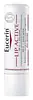 Key Ingredients
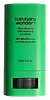
Benefits
Concerns
Ingredients Side-by-side
Cera Microcristallina
Emulsion StabilisingOctyldodecanol
Emollient
Hydrogenated Polydecene
EmollientRicinus Communis Seed Oil
Masking



Cetyl Palmitate
Emollient
Polyglyceryl-3 Diisostearate
Emulsifying

Panthenol
Skin Conditioning



Ethylhexyl Triazone
UV Absorber
Butyl Methoxydibenzoylmethane
UV Absorber
Cetearyl Alcohol
Emollient
Bis-Diglyceryl Polyacyladipate-2
Emollient
Myristyl Myristate
Emollient
C20-40 Alkyl Stearate
Skin ConditioningGlycerin
Humectant
Copernicia Cerifera Cera
Emollient
Water
Skin ConditioningTocopheryl Acetate
Antioxidant


Simmondsia Chinensis Seed Oil
Emollient
Butyrospermum Parkii Butter
Skin Conditioning
Bisabolol
Antioxidant
Cera Alba
Emollient
Cera Microcristallina, Octyldodecanol, Hydrogenated Polydecene, Ricinus Communis Seed Oil, Cetyl Palmitate, Polyglyceryl-3 Diisostearate, Panthenol, Ethylhexyl Triazone, Butyl Methoxydibenzoylmethane, Cetearyl Alcohol, Bis-Diglyceryl Polyacyladipate-2, Myristyl Myristate, C20-40 Alkyl Stearate, Glycerin, Copernicia Cerifera Cera, Water, Tocopheryl Acetate, Simmondsia Chinensis Seed Oil, Butyrospermum Parkii Butter, Bisabolol, Cera Alba
Water
Skin ConditioningDibutyl Adipate
EmollientSynthetic Wax
Abrasive
Methyl Methacrylate Crosspolymer

Butyloctyl Salicylate
Skin Conditioning
Caprylyl Trimethicone
Skin Conditioning
Butylene Glycol
Humectant
Propylheptyl Caprylate
EmollientDiethylamino Hydroxybenzoyl Hexyl Benzoate
UV Filter
Isododecane
EmollientBis-Ethylhexyloxyphenol Methoxyphenyl Triazine
Skin Conditioning
Caprylyl Methicone
Skin Conditioning
Ethylhexyl Triazone
UV Absorber
Polysilicone-15
UV Filter
Ceresin
Emulsion StabilisingCamellia Japonica Seed Oil
Emollient
Diphenylsiloxy Phenyl Trimethicone
Skin Conditioning
Niacinamide
Smoothing





Polyglyceryl-3 Polyricinoleate
Emulsifying
Lauryl Polyglyceryl-3 Polydimethylsiloxyethyl Dimethicone
Skin Conditioning
Dimethicone/Vinyl Dimethicone Crosspolymer
Skin Conditioning
Sodium Chloride
Masking1,2-Hexanediol
Skin Conditioning
Polyglyceryl-4 Diisostearate/Polyhydroxystearate/Sebacate
Emulsifying
Vinyl Dimethicone/Methicone Silsesquioxane Crosspolymer
Caprylyl Glycol
Emollient
Glyceryl Caprylate
EmollientPhyllostachys Nigra Leaf Extract
Skin ConditioningPhyllostachys Pubescens Shoot Bark Extract
Skin ConditioningAdenosine
Skin Conditioning
Aspergillus Ferment
Skin ConditioningTocopherol
Antioxidant
Dipropylene Glycol
HumectantPentylene Glycol
Skin Conditioning
Bambusa Vulgaris Water
Skin ConditioningBetaine
Humectant
Ectoin
Skin Conditioning
Panthenol
Skin Conditioning
Water, Dibutyl Adipate, Synthetic Wax, Methyl Methacrylate Crosspolymer, Butyloctyl Salicylate, Caprylyl Trimethicone, Butylene Glycol, Propylheptyl Caprylate, Diethylamino Hydroxybenzoyl Hexyl Benzoate, Isododecane, Bis-Ethylhexyloxyphenol Methoxyphenyl Triazine, Caprylyl Methicone, Ethylhexyl Triazone, Polysilicone-15, Ceresin, Camellia Japonica Seed Oil, Diphenylsiloxy Phenyl Trimethicone, Niacinamide, Polyglyceryl-3 Polyricinoleate, Lauryl Polyglyceryl-3 Polydimethylsiloxyethyl Dimethicone, Dimethicone/Vinyl Dimethicone Crosspolymer, Sodium Chloride, 1,2-Hexanediol, Polyglyceryl-4 Diisostearate/Polyhydroxystearate/Sebacate, Vinyl Dimethicone/Methicone Silsesquioxane Crosspolymer, Caprylyl Glycol, Glyceryl Caprylate, Phyllostachys Nigra Leaf Extract, Phyllostachys Pubescens Shoot Bark Extract, Adenosine, Aspergillus Ferment, Tocopherol, Dipropylene Glycol, Pentylene Glycol, Bambusa Vulgaris Water, Betaine, Ectoin, Panthenol
Reviews
Ingredients Explained
These ingredients are found in both products.
Ingredients higher up in an ingredient list are typically present in a larger amount.
Ethylhexyl Triazone is a modern chemical sunscreen that protects from UV-B radiation.
It is the most effective of existing UV-B filters, as it provides the highest level of photo-stable absorption. It protects from the entire UV-B range (280 to 320nm), with it's highest level of protection at 314nm.
Ethylhexyl Triazone is oil soluble, oderless and colorless, which mean it is able to be incorporated into a variety of different formulations.
It is not currently available within the United States due to slow changing FDA regulations. Outside of the US, it is used in formulations at concentrations up to 5%.
Learn more about Ethylhexyl TriazonePanthenol is a common ingredient that helps hydrate and soothe the skin. It is found naturally in our skin and hair.
There are two forms of panthenol: D and L.
D-panthenol is also known as dexpanthenol. Most cosmetics use dexpanthenol or a mixture of D and L-panthenol.
Panthenol is famous due to its ability to go deeper into the skin's layers. Using this ingredient has numerous pros (and no cons):
Like hyaluronic acid, panthenol is a humectant. Humectants are able to bind and hold large amounts of water to keep skin hydrated.
This ingredient works well for wound healing. It works by increasing tissue in the wound and helps close open wounds.
Once oxidized, panthenol converts to pantothenic acid. Panthothenic acid is found in all living cells.
This ingredient is also referred to as pro-vitamin B5.
Learn more about PanthenolWater. It's the most common cosmetic ingredient of all. You'll usually see it at the top of ingredient lists, meaning that it makes up the largest part of the product.
So why is it so popular? Water most often acts as a solvent - this means that it helps dissolve other ingredients into the formulation.
You'll also recognize water as that liquid we all need to stay alive. If you see this, drink a glass of water. Remember to stay hydrated!
Learn more about Water
