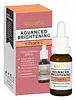
This brightening serum is formulated around Ascorbyl Tetraisopalmitate and Squalane to fade the look of dark spots.
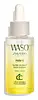
This brightening serum is formulated around 2-O-Ethyl Ascorbic Acid and Ascorbyl Tetraisopalmitate to brighten dull-looking skin and fade the look of dark spots.


What's inside
What's inside
 Key Ingredients
Benefits
Concerns
Ingredients Side-by-side
Water
Skin ConditioningAscorbyl Tetraisopalmitate
Antioxidant




Squalane
Emollient


Coco-Caprylate
Emollient
Dimethyl Isosorbide
SolventGlycerin
Humectant
Betaine
Humectant
Simmondsia Chinensis Seed Oil
Emollient
Potassium Cetyl Phosphate
EmulsifyingTocopherol
Antioxidant


Helianthus Annuus Seed Oil
Emollient
Rosa Canina Fruit Oil
Emollient
Xanthan Gum
EmulsifyingCetearyl Alcohol
Emollient



Sodium Phytate
ChelatingPotassium Sorbate
Preservative
Benzyl Alcohol
Perfuming




Glyceryl Laurate
Emollient
Citric Acid
Buffering
Sodium Citrate
BufferingHydroxyethyl Acrylate/Sodium Acryloyldimethyl Taurate Copolymer
Emulsion StabilisingParfum
Masking
Water, Ascorbyl Tetraisopalmitate, Squalane, Coco-Caprylate, Dimethyl Isosorbide, Glycerin, Betaine, Simmondsia Chinensis Seed Oil, Potassium Cetyl Phosphate, Tocopherol, Helianthus Annuus Seed Oil, Rosa Canina Fruit Oil, Xanthan Gum, Cetearyl Alcohol, Sodium Phytate, Potassium Sorbate, Benzyl Alcohol, Glyceryl Laurate, Citric Acid, Sodium Citrate, Hydroxyethyl Acrylate/Sodium Acryloyldimethyl Taurate Copolymer, Parfum
Water
Skin ConditioningGlycerin
Humectant
Squalane
Emollient
Butylene Glycol
Humectant
Alcohol Denat.
Antimicrobial
Sodium PCA
Humectant
Trehalose
Humectant
Pyrus Malus Fruit Water
MaskingSodium Chloride
MaskingVitis Vinifera Seed Oil
Emollient
2-O-Ethyl Ascorbic Acid
Skin Conditioning

Ascorbyl Tetraisopalmitate
Antioxidant
Lauryl Betaine
CleansingRosmarinus Officinalis Leaf Oil
Masking
Tocopheryl Acetate
Antioxidant
Xanthan Gum
EmulsifyingLavandula Angustifolia Oil
Masking
Citrus Junos Fruit Extract
Skin ConditioningCitrus Junos Seed Extract
Antioxidant
Salvia Officinalis Oil
Masking
Citrus Depressa Peel Extract
HumectantSesamum Indicum Seed Oil
Emollient
Rosa Canina Fruit Oil
Emollient
Ascorbyl Dipalmitate
Antioxidant
Alcohol
Antimicrobial
Sodium Citrate
BufferingTocopherol
Antioxidant
Sodium Metaphosphate
BufferingDipropylene Glycol
HumectantHydroxypropyl Methylcellulose
Emulsion StabilisingSodium Metabisulfite
Antioxidant
Citric Acid
Buffering
Limonene
Perfuming
Citrus Aurantium Dulcis Oil
Masking
Linalool
Perfuming
Helianthus Annuus Seed Oil
Emollient
Phenoxyethanol
Preservative
Sodium Benzoate
Masking
Water, Glycerin, Squalane, Butylene Glycol, Alcohol Denat., Sodium PCA, Trehalose, Pyrus Malus Fruit Water, Sodium Chloride, Vitis Vinifera Seed Oil, 2-O-Ethyl Ascorbic Acid, Ascorbyl Tetraisopalmitate, Lauryl Betaine, Rosmarinus Officinalis Leaf Oil, Tocopheryl Acetate, Xanthan Gum, Lavandula Angustifolia Oil, Citrus Junos Fruit Extract, Citrus Junos Seed Extract, Salvia Officinalis Oil, Citrus Depressa Peel Extract, Sesamum Indicum Seed Oil, Rosa Canina Fruit Oil, Ascorbyl Dipalmitate, Alcohol, Sodium Citrate, Tocopherol, Sodium Metaphosphate, Dipropylene Glycol, Hydroxypropyl Methylcellulose, Sodium Metabisulfite, Citric Acid, Limonene, Citrus Aurantium Dulcis Oil, Linalool, Helianthus Annuus Seed Oil, Phenoxyethanol, Sodium Benzoate
Reviews
Ingredients Explained
These ingredients are found in both products.
Ingredients higher up in an ingredient list are typically present in a larger amount.
Ascorbyl Tetraisopalmitate is a version of ascorbic acid, or Vitamin C.
This ingredient has many benefits including reducing wrinkles, skin soothing, dark spot fading, and fighting against free radicals.
It helps with dark spot fading by interfering with the process of skin darkening, helping to reduce hyperpigmentation. Like other forms of vitamin C, this ingredient encourages the skin to create more collagen.
As an antioxidant, it helps fight free-radicals. Free-radicals are molecules that may damage your skin cells.
One study found Ascorbyl Tetraisopalmitate to degrade in sunlight, but is stabilized when combined with acetyl zingerone.
Learn more about Ascorbyl TetraisopalmitateCitric Acid is an alpha hydroxy acid (AHA) naturally found in citrus fruits like oranges, lemons, and limes.
Like other AHAs, citric acid can exfoliate skin by breaking down the bonds that hold dead skin cells together. This helps reveal smoother and brighter skin underneath.
However, this exfoliating effect only happens at high concentrations (20%) which can be hard to find in cosmetic products.
Due to this, citric acid is usually included in small amounts as a pH adjuster. This helps keep products slightly more acidic and compatible with skin's natural pH.
In skincare formulas, citric acid can:
While it can provide some skin benefits, research shows lactic acid and glycolic acid are generally more effective and less irritating exfoliants.
Most citric acid used in skincare today is made by fermenting sugars (usually from molasses). This synthetic version is identical to the natural citrus form but easier to stabilize and use in formulations.
Rosacea skin has a lower threshold for acids generally, with 62.5% of rosacea subjects in one study reacting to lactic acid in a sting test. This is why we mark citric acid as a potential rosacea trigger.
However, this ingredient shows up as a pH adjuster or chelator at roughly 0.1-1% in many products. These low levels are unlikely to be an issue for rosacea skin and becomes a potential trigger at exfoliating concentrations (20%). Because everybody's skin is unique, we recommend a patch test if you are unsure.
Learn more about Citric AcidGlycerin (or glycerol) is a compound naturally found in your skin. It's a powerhouse humectant that pulls water into the stratum corneum.
Topically, glycerin does several things at once:
Your skin makes glycerin on its own (mostly from sebaceous oil breakdown) and shuttles it to your outermost layer of skin, or your epidermis, via aquaporin-3.
Aquaporin-3 is a transporter that is essential for normal skin hydration, elasticity, and repair. Interestingly, mice lacking in AQP3 have dry and less elastic skin that can be fully corrected with glycerin.
This ingredient is non-irritating, plays well with almost every ingredient, and works across all skin types. Typical use is anywhere between 3-10% but can go up to 79% in some leave-on products.
Just know very high concentrations (>40%) can feel tacky in low humidity.
Glycerin is the name for this ingredient in American English. British English uses Glycerol/Glycerine.
Learn more about GlycerinHelianthus Annuus Seed Oil is a plant oil derived from the seeds of a sunflower.
It is rich in fatty acids, primarily linoleic acid and oleic acid. This gives it emollient and skin conditioning properties.
The reason this ingredient is so effective is because it forms a thin film on the skin that reduces transepidermal water loss (TEWL) while supplying linoleic acid to the stratum corneum to improve barrier strength.
The high linoleic acid content is particularly noteworthy for acne-prone skin.
Research suggests that acne-prone skin tends to be deficient in linoleic acid in sebum. Topical application may help replenish this to support a healthier follicular environment and less comedone-promoting sebum.
One randomized study found sunflower seed oil preserved skin barrier integrity in adult volunteers with and without atopic dermatitis (outperforming olive oil).
This ingredient is well-studied, gentle, and an effective emollient suitable for most skin types.
On fungal acne: This ingredient may not be Fungal acne (Malassezia folliculitis) safe. This is because it contains fatty acids with carbon chain lengths in the C11-C24 range.
Learn more about Helianthus Annuus Seed OilRosa Canina Fruit Oil is a non-fragrant plant oil that has earned its skincare reputation through chemistry.
It's dominated by fatty acids like linoleic acid (~35-55%), alpha-linolenic acid (~17-27%), and oleic acid (~14-22%). This is the exact profile that supports skin barrier, locks in hydration, and calms inflammation.
A 2024 review found evidence for the Rosa canina species supports its use for scarring, hyperpigmentation, wrinkles, and atopic dermatitis; this was mostly credited to its vitamin C content and fatty acid composition as the primary active mechanisms.
You might see this ingredient marketed as a "natural retinol". Some rosehip seed oils contains traces of all-trans-retinoic acid but these trace amounts are far below biologically active levels.
The Cosmetic Ingredient Review Panel has deemed this ingredient safe and it's well-tolerated.
Fungal acne: The fatty acids of this oil fall into the C11-24 range that Malassezia yeast can metabolize, so this ingredient may not be fungal acne safe.
Learn more about Rosa Canina Fruit OilSodium Citrate is the sodium salts of citric acid. In skincare, it is used to alter pH levels and acts as a preservative.
Its main functions are to maintain the pH of a product and neutralize metal ions.
The acidity of our skin is maintained by our glands and skin biome; normal pH level of skin is slightly acidic (~4.75-5.5).
Being slightly acidic allows our skin to create an "acid mantle". This acid mantle is a thin barrier that protects our skin from bacteria and contaminants.
Learn more about Sodium CitrateSqualane is the hydrogenated and shelf-stable form of squalene (a lipid that naturally occurs in human sebum).
It is an emollient and skin conditioning agent that is able to integrate seamlessly into the skin's lipid barrier without clogging pores.
This is due to how structurally similar it is to what your skin already produces.
Though it is mostly an emollient that helps soften and hydrate skin, it also has some humectant and occlusive action. Humectants help the skin retain moisture while occlusives seal it in, making squalane a triple-threat moisturizer.
Research shows it has antioxidant capabilities that help protect against stressors like UV exposure, specifically UVA induced oxidative stress. This study also found that it supports collagen biosynthesis in human dermal fibroblasts.
No clinical study has reported significant adverse effects and irritation reactions are very rare from this ingredient (even at 100% concentration).
Overall, it's a fantastic ingredient for hydration and is suitable for all skin types.
This depends on the source. Squalane can be derived from both plants and animals. Most squalane used in skincare comes from plants.
Please note: the source of squalane is only known if disclosed by the brand. We recommend reaching out to the brand if you have any questions about their squalane.
Read more about squalene with an "e".
Though squalane is often called an oil, it’s technically not one. It is a hydrocarbon, meaning it is only made of carbon and hydrogen. True oils are triglycerides and made of fatty acids and glycerol.
The term “oil-free” isn’t regulated so companies can define it however they want. Some exclude all oils, while others just avoid mineral oil or comedogenic oils.
Squalane has a comedogenic rating of 1 from the original 1972 study that tested raw ingredients under occlusion on rabbit ears. This system is not standardized or peer-reviewed, and using the raw ingredients is very different from how diluted cosmetic formulations are used on human skin.
A comedogenic rating of 1 means it is "unlikely to clog pores" according to the original rating system.
The overall formula of a product matters more than the individual ingredients on whether or not it will cause clogged pores.
Learn more about SqualaneTocopherol is a fat-soluble antioxidant known as Vitamin E.
You'll find this ingredient in the vast majority of skincare (for good reason). It works to neutralize free radicals, or unstable molecules generated by UV exposure, pollution, and other environmental stressors, before they can cause oxidative damage to your skin cells.
Topically applied tocopherol has been shown to protect against UV damage by ramping up the skin's own natural defense enzymes.
It also acts as a skin conditioning agent; some studies show that regular topical use can improve the skin's water-binding capacity over 2-4 weeks.
This ingredient is especially loved for being a team player. When combined with Vitamin C, the photoprotective effect of both ingredients roughly doubles and the combo also helps reduce UV-induced DNA damage.
This ingredient has some brightening potential but it's more of a prevention ingredient than spot-fader. Cell studies show it can slow down melanin production but it's worth noting that it's not the most powerful brightener out there.
In formulations, it also serves as a stabilizer that helps protect other oxidation-prone ingredients from degrading.
Concentrations usually range from 0.1-1% in most leave-on products.
Learn more about TocopherolWater. It's the most common cosmetic ingredient of all. You'll usually see it at the top of ingredient lists, meaning that it makes up the largest part of the product.
So why is it so popular? Water most often acts as a solvent - this means that it helps dissolve other ingredients into the formulation.
You'll also recognize water as that liquid we all need to stay alive. If you see this, drink a glass of water. Remember to stay hydrated!
Learn more about WaterXanthan gum is used as a stabilizer and thickener within cosmetic products. It helps give products a sticky, thick feeling - preventing them from being too runny.
On the technical side of things, xanthan gum is a polysaccharide - a combination consisting of multiple sugar molecules bonded together.
Xanthan gum is a pretty common and great ingredient. It is a natural, non-toxic, non-irritating ingredient that is also commonly used in food products.
Learn more about Xanthan Gum

