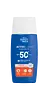
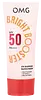
ERHA Perfect Shield Active Light Sunscreen SPF 50+ Versus OMG Beauty Bright Booster UV Barrier Sunscreen SPF 50
This chemical sunscreen covers the full UV range and blocks ~98% of UVB at SPF 50.
This chemical sunscreen covers the full UV range and blocks ~98% of UVB at SPF 50.

What's inside
What's inside
 Key Ingredients
Benefits
Concerns
Ingredients Side-by-side
Water
Skin ConditioningDicaprylyl Carbonate
EmollientDiethylamino Hydroxybenzoyl Hexyl Benzoate
UV Filter
Ethylhexyl Salicylate
UV Absorber
C15-19 Alkane
SolventPEG-30 Dipolyhydroxystearate
Emulsifying

Diisopropyl Adipate
EmollientMethylene Bis-Benzotriazolyl Tetramethylbutylphenol
UV Filter
Silica
Abrasive


Propylene Glycol
Humectant

Caprylic/Capric Triglyceride
Masking

Dimethicone
Emollient

Polymethyl Methacrylate
Dipropylene Glycol
HumectantEthylhexyl Triazone
UV Absorber
C12-15 Alkyl Benzoate
AntimicrobialPolyisobutene
Sodium Palmitoyl Proline
Skin ConditioningPhenoxyethanol
Preservative
Bis-Ethylhexyloxyphenol Methoxyphenyl Triazine
UV Absorber
Magnesium Sulfate
Acrylates/C12-22 Alkyl Methacrylate Copolymer
Decyl Glucoside
Cleansing
Nymphaea Alba Flower Extract
Skin ConditioningPanthenol
Skin Conditioning

Tocopheryl Acetate
Antioxidant


Zinc Stearate
Cosmetic ColorantMaltodextrin
Absorbent
BHT
Antioxidant
Disodium EDTA
ChelatingEthylhexylglycerin
Skin ConditioningBixa Orellana Seed Extract
MaskingArginine
Masking
Coco-Glucoside
Cleansing
Disodium Lauryl Sulfosuccinate
CleansingXanthan Gum
EmulsifyingWater, Dicaprylyl Carbonate, Diethylamino Hydroxybenzoyl Hexyl Benzoate, Ethylhexyl Salicylate, C15-19 Alkane, PEG-30 Dipolyhydroxystearate, Diisopropyl Adipate, Methylene Bis-Benzotriazolyl Tetramethylbutylphenol, Silica, Propylene Glycol, Caprylic/Capric Triglyceride, Dimethicone, Polymethyl Methacrylate, Dipropylene Glycol, Ethylhexyl Triazone, C12-15 Alkyl Benzoate, Polyisobutene, Sodium Palmitoyl Proline, Phenoxyethanol, Bis-Ethylhexyloxyphenol Methoxyphenyl Triazine, Magnesium Sulfate, Acrylates/C12-22 Alkyl Methacrylate Copolymer, Decyl Glucoside, Nymphaea Alba Flower Extract, Panthenol, Tocopheryl Acetate, Zinc Stearate, Maltodextrin, BHT, Disodium EDTA, Ethylhexylglycerin, Bixa Orellana Seed Extract, Arginine, Coco-Glucoside, Disodium Lauryl Sulfosuccinate, Xanthan Gum
Water
Skin ConditioningEthylhexyl Methoxycinnamate
UV Absorber
Butyl Methoxydibenzoylmethane
UV Absorber
Polymethyl Methacrylate
Propanediol
Solvent
C14-22 Alcohols
Emulsion Stabilising
Butylene Glycol
Humectant
Octocrylene
UV Absorber
Phenoxyethanol
Preservative
Propylene Glycol
Humectant
Niacinamide
Smoothing




Nylon-12
C12-20 Alkyl Glucoside
EmulsifyingGlycyrrhiza Glabra Root Extract
Bleaching
Acrylates/C10-30 Alkyl Acrylate Crosspolymer
Emulsion StabilisingAllantoin
Skin Conditioning
Bis-Ethylhexyloxyphenol Methoxyphenyl Triazine
UV Absorber
Chlorphenesin
Antimicrobial
Glycerin
Humectant
Potassium Hydroxide
BufferingLecithin
Emollient
Tocopheryl Acetate
Antioxidant
Parfum
Masking

Dimethicone
Emollient
Dimethicone/Vinyl Dimethicone Crosspolymer
Skin Conditioning
Glycereth-20
HumectantPentylene Glycol
Skin Conditioning
Amodimethicone
Carbomer
Emulsion StabilisingDisodium EDTA
ChelatingSodium Hydroxide
BufferingGlucose
Humectant
Prunus Persica Fruit Extract
Abrasive
BHT
Antioxidant
Sodium Ascorbyl Phosphate
Antioxidant
Water, Ethylhexyl Methoxycinnamate, Butyl Methoxydibenzoylmethane, Polymethyl Methacrylate, Propanediol, C14-22 Alcohols, Butylene Glycol, Octocrylene, Phenoxyethanol, Propylene Glycol, Niacinamide, Nylon-12, C12-20 Alkyl Glucoside, Glycyrrhiza Glabra Root Extract, Acrylates/C10-30 Alkyl Acrylate Crosspolymer, Allantoin, Bis-Ethylhexyloxyphenol Methoxyphenyl Triazine, Chlorphenesin, Glycerin, Potassium Hydroxide, Lecithin, Tocopheryl Acetate, Parfum, Dimethicone, Dimethicone/Vinyl Dimethicone Crosspolymer, Glycereth-20, Pentylene Glycol, Amodimethicone, Carbomer, Disodium EDTA, Sodium Hydroxide, Glucose, Prunus Persica Fruit Extract, BHT, Sodium Ascorbyl Phosphate
Reviews
Ingredients Explained
These ingredients are found in both products.
Ingredients higher up in an ingredient list are typically present in a larger amount.
BHT is a synthetic antioxidant and preservative.
As an antioxidant, it helps your body fight off free-radicals. Free-radicals are molecules that may damage your skin cells.
As a preservative, it is used to stabilize products and prevent them from degrading. Specifically, BHT prevents degradation from oxidation.
The concerns related to BHT come from oral studies; this ingredient is currently allowed for use by both the FDA and EU.
However, it was recently restricted for use in the UK as of April 2024.
Learn more about BHTThis ingredient is better known as bemotrizinol or Tinosorb S and is one of the best broad-spectrum UV filters in modern sunscreen.
It works by absorbing UV light across a whole range (280-400 nm) with peaks around 310 nm (UVB) and 340-345 nm (UVA). This means it covers UVB plus the deeper UVA wavelengths that drive photoaging and pigmentation.
Another pro?
It's exceptionally photostable, barely degrades in sunlight, and acts as a "bodyguard" for less stable filters.
That's why you'll see it paired with avobenzone or octinoxate; this team up ensures they keep working through sun exposure.
Safety reviews have been reassuring across the board. This ingredient shows low absorption through the skin, rarely irritates, and lab studies found it doesn't act like a hormone in the body (a concern that's been raised about some older sunscreen filters).
On maximum concentrations:
In 2026, the US F.D.A finally added it as an OTC sunscreen ingredient at concentrations up to 6% for adults / children 6 months and older
Learn more about Bis-Ethylhexyloxyphenol Methoxyphenyl TriazineDimethicone is a type of synthetic silicone created from natural materials such as quartz. It is also known as polydimethylsiloxane.
What it does:
Dimethicone comes in different viscosities:
Depending on the viscosity, dimethicone has different properties.
Ingredients lists don't always show which type is used, so we recommend reaching out to the brand if you have questions about the viscosity.
This ingredient is unlikely to cause irritation because it does not get absorbed into skin. However, people with silicone allergies should be careful about using this ingredient.
Note: Dimethicone may contribute to pilling. This is because it is not oil or water soluble, so pilling may occur when layered with products. When mixed with heavy oils in a formula, the outcome is also quite greasy.
Learn more about DimethiconeDisodium EDTA is a chelating agent. It grabs onto and deactivates metal ions that sneak into your products from water, packaging, or air.
This ingredient mainly works behind the scenes and helps with:
On top of that, this ingredient can counteract the effects of hard water by binding to the minerals in it.
One thing worth knowing is that Disodium EDTA has been shown to be a mild penetration enhancer. It can help other ingredients absorb into skin more effectively which can be a double-edged sword (great for actives, but can also make the active too strong if you have sensitive skin).
Clinical patch testing showed no significant skin irritation at typical use concentrations and minimal dermal absorption.
You'll most likely see this ingredient near the end of an ingredient list. It's typically found in concentrations less than 1%.
Learn more about Disodium EDTAPhenoxyethanol is one of the most widely used preservatives in skincare (and for good reason!).
It has a large spectrum of antimicrobial activity and especially effective bacteria, yeast, and mold while only having a weak effect on your skin's natural microbiome.
On a cellular level, it disrupts the cell membranes of microbes by poking holes that make the cell leak. This shuts down the chemical reactions the microbe needs to make energy so it can no longer survive.
Another perk of this ingredient is that it stays functional across a wide pH range (3-10).
You'll often see it paired with boosters like Ethylhexylglycerin; one study showed that a 1:9 ratio of Ethylhexylglycerin to Phenoxyethanol damages bacterial membranes as effectively as doubling the Phenoxyethanol concentration on its own.
Typical use concentrations range from 0.3-1% depending on the formula, and this ingredient is capped at 1% int the EU.
Safety-wise, the fear mongering does not hold up to the evidence. The EU's Scientific Committee on Consumer Safety and FDA consider it safe as a preservative at up to 1%, including for children of all ages.
Adverse systemic effects only showed up in animal studies at exposures roughly 200x higher than what people get from cosmetics. And despite its very widespread use, this ingredient is a rare sensitizer and allergic reactions are uncommon.
Learn more about PhenoxyethanolThis ingredient is also known as PMMA. It is a polymer microsphere, composed of tiny, perfectly spherical particles formed from repeating units.
In cosmetics, PMMA is mainly used to give a soft or blurring effect. The transparent particles are able to scatter light and help reduce the appearance of fine-lines and imperfections.
PMMA is also able to enhance the texture of products by add a smooth feel.
Learn more about Polymethyl MethacrylatePropylene Glycol is a synthetic, colorless, odorless liquid that has been a staple in cosmetics for decades. It is a skin conditioning agent, humectant, and solvent.
As a humectant, it draw water to the skin to reduce flaking and restore suppleness. It's also a solvent that helps dissolve other actives and keeps formulas stable across temperature changes.
The CIR Expert Panel has confirmed this ingredient to be nontoxic and clinical studies show no sensitization at cosmetic use concentrations.
True allergic reactions are quite rare: a 15-year retrospective study of 6,751 patients found only 0.31% had a positive reaction (and less than half were considered clinically relevant).
It seemed that when sensitization does occur, it's most commonly linked to topical medication (like corticosteroids) and not cosmetics. Allergic contact dermatitis also appears largely limited to individuals with underlying skin conditions.
Overall, propylene glycol is a well-studied ingredient that most people can tolerate without issue.
Learn more about Propylene GlycolTocopheryl Acetate is a stable, shelf-friendly form of vitamin E.
Formulators love it because plain vitamin E oxidizes quickly once it hits air. This acetate version stays stable and resists going off, helping to extend a product's shelf life.
It's actually inactive on its own and works like a slow-release "storage" form; the enzymes in your skin called esterases gradually convert it into active vitamin E over time.
One in vivo study showed 5% of the acetate in the living layer of the epidermis converted to vitamin E after 5 days of application. This study also found the skin gained protection against UV damage even though the conversion was slow and small.
Once converted, vitamin E acts as a skin's main fat-soluble antioxidant that fights free radicals to protect skin from damage.
Topical vitamin E generally boosts the skin's photoprotection, and it reduced UV-damage in animal models.
This ingredient has some brightening potential but it's more of a prevention ingredient than spot-fader. Cell studies show it can slow down melanin production but it's worth noting that it's not the most powerful brightener out there.
Overall, it has a pretty solid safety profile and has been found to be non-irritating and non-comedogenic. Allergic reactions may happen but stay rare due to how widely the ingredient gets used.
The concentration will vary depending on the formula; industry data shows 0.1% in baby lotions, 3% in lipsticks, and 5% in foot powders. You can also find this ingredient at 100% in a pure vitamin E oil.
Most leave-on skincare keeps it at the lower end, often between 0.5-1%.
Learn more about Tocopheryl AcetateWater. It's the most common cosmetic ingredient of all. You'll usually see it at the top of ingredient lists, meaning that it makes up the largest part of the product.
So why is it so popular? Water most often acts as a solvent - this means that it helps dissolve other ingredients into the formulation.
You'll also recognize water as that liquid we all need to stay alive. If you see this, drink a glass of water. Remember to stay hydrated!
Learn more about Water

