This chemical sunscreen covers most of the UV range, lighter on the deep UVA that drives aging.
This chemical sunscreen covers most of the UV range, lighter on the deep UVA that drives aging.

What's inside
What's inside
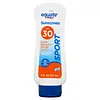 Key Ingredients
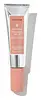
Benefits
Concerns
Ingredients Side-by-side
Butyl Methoxydibenzoylmethane 1.8%
UV Absorber
Homosalate 7%
Skin Conditioning
Octocrylene 5%
UV Absorber

Water
Skin ConditioningCetearyl Alcohol
Emollient





Stearyl Alcohol
Emollient
Glycerin
Humectant


Acrylates/C12-22 Alkyl Methacrylate Copolymer
Cetyl Alcohol
Emollient
Carbomer
Emulsion StabilisingCeteth-10 Phosphate
CleansingDicetyl Phosphate
EmulsifyingCoco-Glucoside
Cleansing
Xanthan Gum
EmulsifyingDisodium EDTA
ChelatingMethyl Dihydroabietate
Lauryl PEG-8 Dimethicone
Surfactant
Phenylisopropyl Dimethicone
Skin Conditioning
Polyglyceryl-3 Stearate/Isostearate/Dimer Dilinoleate Crosspolymer
HumectantSodium Ascorbyl Phosphate
Antioxidant






Tocopheryl Acetate
Antioxidant
Aloe Barbadensis Leaf Juice
Skin Conditioning
Phenoxyethanol
Preservative
Triethanolamine
BufferingPropylene Glycol
Humectant
Hydroxyacetophenone
Antioxidant
Butyl Methoxydibenzoylmethane 1.8%, Homosalate 7%, Octocrylene 5%, Water, Cetearyl Alcohol, Stearyl Alcohol, Glycerin, Acrylates/C12-22 Alkyl Methacrylate Copolymer, Cetyl Alcohol, Carbomer, Ceteth-10 Phosphate, Dicetyl Phosphate, Coco-Glucoside, Xanthan Gum, Disodium EDTA, Methyl Dihydroabietate, Lauryl PEG-8 Dimethicone, Phenylisopropyl Dimethicone, Polyglyceryl-3 Stearate/Isostearate/Dimer Dilinoleate Crosspolymer, Sodium Ascorbyl Phosphate, Tocopheryl Acetate, Aloe Barbadensis Leaf Juice, Phenoxyethanol, Triethanolamine, Propylene Glycol, Hydroxyacetophenone
Homosalate 10%
Skin Conditioning
Ethylhexyl Salicylate 5%
UV Absorber
Butyl Methoxydibenzoylmethane 3%
UV Absorber
Water
Skin ConditioningButyloctyl Salicylate
Skin Conditioning
C12-15 Alkyl Benzoate
AntimicrobialCalcium Sodium Borosilicate
Glycerin
Humectant
Glyceryl Stearate
Emollient
Ethylhexyl Methoxycrylene
Skin Conditioning
Vp/Eicosene Copolymer
Stearyl Dimethicone
Emollient
Argania Spinosa Kernel Oil
Emollient


Tocopheryl Acetate
Antioxidant
1,2-Hexanediol
Skin Conditioning
Niacinamide
Smoothing

Tocopherol
Antioxidant
Cetearyl Olivate
Bisabolol
Antioxidant
3-O-Ethyl Ascorbic Acid
Skin Conditioning
Sodium Hyaluronate
Humectant
Squalane
Emollient
Ammonium Acryloyldimethyltaurate/Vp Copolymer
Hydroxyacetophenone
Antioxidant
Silica
Abrasive
Sodium Stearoyl Glutamate
CleansingOctadecene
SolventSorbitan Olivate
Emulsifying
Sorbitan Oleate
Emulsifying
Caprylyl/Capryl Glucoside
CleansingXanthan Gum
EmulsifyingSodium Acrylate/Sodium Acryloyldimethyl Taurate Copolymer
Emulsion StabilisingTrisodium Ethylenediamine Disuccinate
ChelatingPolyisobutene
Citric Acid
Buffering
Sodium Hydroxide
BufferingHomosalate 10%, Ethylhexyl Salicylate 5%, Butyl Methoxydibenzoylmethane 3%, Water, Butyloctyl Salicylate, C12-15 Alkyl Benzoate, Calcium Sodium Borosilicate, Glycerin, Glyceryl Stearate, Ethylhexyl Methoxycrylene, Vp/Eicosene Copolymer, Stearyl Dimethicone, Argania Spinosa Kernel Oil, Tocopheryl Acetate, 1,2-Hexanediol, Niacinamide, Tocopherol, Cetearyl Olivate, Bisabolol, 3-O-Ethyl Ascorbic Acid, Sodium Hyaluronate, Squalane, Ammonium Acryloyldimethyltaurate/Vp Copolymer, Hydroxyacetophenone, Silica, Sodium Stearoyl Glutamate, Octadecene, Sorbitan Olivate, Sorbitan Oleate, Caprylyl/Capryl Glucoside, Xanthan Gum, Sodium Acrylate/Sodium Acryloyldimethyl Taurate Copolymer, Trisodium Ethylenediamine Disuccinate, Polyisobutene, Citric Acid, Sodium Hydroxide
Reviews
Ingredients Explained
These ingredients are found in both products.
Ingredients higher up in an ingredient list are typically present in a larger amount.
Also known as Avobenzone, this ingredient is an oil-soluble used to absorb the full spectrum of UVA rays (peak 357 nm).
It's one of the most effective UVA filters available but has a major caveat of photostability: avobenzone is susceptible to photodegradation.
This means it can lose efficacy when exposed to sunlight without the help of a stabilizing agent.
Studies show antioxidants (like vitamin E or vitamin C) and some UV filters (like octocrylene and Tinosorb S) can meaningfully improve its stability in a formulation.
The maximum allowable concentration according to regulation is 3% in the US + Canada, and 5% in the EU, Australia, China, Korea, and ASEAN countries.
It has a well-support safety profile: a comprehensive 2025 review found minimal toxicity with no evidence of carcinogenicity.
Overall, avobenzone is a safe and regulated ingredient used in sunscreen for over 40 years.
Learn more about Butyl MethoxydibenzoylmethaneGlycerin (or glycerol) is a compound naturally found in your skin. It's a powerhouse humectant that pulls water into the stratum corneum.
Topically, glycerin does several things at once:
Your skin makes glycerin on its own (mostly from sebaceous oil breakdown) and shuttles it to your outermost layer of skin, or your epidermis, via aquaporin-3.
Aquaporin-3 is a transporter that is essential for normal skin hydration, elasticity, and repair. Interestingly, mice lacking in AQP3 have dry and less elastic skin that can be fully corrected with glycerin.
This ingredient is non-irritating, plays well with almost every ingredient, and works across all skin types. Typical use is anywhere between 3-10% but can go up to 79% in some leave-on products.
Just know very high concentrations (>40%) can feel tacky in low humidity.
Glycerin is the name for this ingredient in American English. British English uses Glycerol/Glycerine.
Learn more about GlycerinHomosalate is an oil-soluble organic UVB filter that has been a sunscreen staple for decades. Its job is to absorb UVB rays (~295-315 nm) and protect your skin against sunburn,
This is one of the more photostable organic UV filters; it holds up pretty well under UV and a 2022 quantum-chemistry study found it stays stable in sunlight.
It's actually so reliable that formulators often pair it with shakier ingredients like oxybenzone and avobenzone. Formulators also use it to help dissolve the other UV filters into the oil phase.
One thing to keep in mind: "stable" isn't the same as "strong". On its own, homosalate is actually a pretty weak UV filter so it's better off as a helpful team player that helps boost overall SPF protection.
The safety picture is a bit nuanced but not scary.
This ingredient has a long track record of being gentle and regulators agree it isn't an irritant; EU's Scientific Committee on Consumer Safety found that homosalate is not considered a skin irritant and doesn't raise eye-irritation flags either.
There's talk about homosalate because your skin absorbs a little bit of it into your bloodstream. A 2020 FDA-backed study found homosalate showed up in people's blood levels at the level where the FDA decides to double check.
The EU's Scientific Committee on Consumer Safety (SCCS) also found small amounts in blood and breast milk. They estimated that about 5% of what you apply gets absorbed through the skin.
Due to the debate about whether it might mess with hormones, the SCCS recommended a maximum limit of 0.5% in most products of 7.3% in face creams/pump sprays.
One important thing to keep in mind: in the US, Homosalate is currently labeled "non-GRASE" by the FDA. This sounds alarming but really just means the FDA wants more data to confirm it's safe. It's not confidently saying this ingredient is harmful.
As of now, homosalate is still completely legal and widely used while that research gets done.
The current maximum limits are:
Learn more about HomosalateHydroxyacetophenone is a small phenolic molecule that earns its place in a formulas as an antioxidant and preservative booster.
As a phenol, it is able to neutralize free radicals to protect both the product and the skin from oxidative stress.
Though it can't kill microbes on its own, it works as a good supporting agent when combined with other preservatives like Phenoxyethanol or 1,2-Hexanediol.
This ingredient naturally occurs as piceol in Norwegian spruce needles (~0.4-1.1% dry weight and in cloudberries). Though the cosmetic-grade material is synthesized for purity and consistency.
You'll usually see it used at low levels and suppliers recommend up to 1% added to a water phase.
Safety testing was done at concentrations like 0.05% in SPF products and 0.5% in a Human Repeated Insult Patch Test. The safety evidence is assuring; this ingredient is safe for cosmetics in current use and also holds safety status as a food flavoring as well.
An honest caveat: the "soothing" and "anti-inflammatory" claims come mostly from supplier marketing rather than published clinical trials. The Cosmetic Ingredient Review's own literature search found no useful efficacy studies on this ingredient.
So the antioxidant and preservative-boosting roles are the well supported ones while the calming benefit is plausible but thinly evidenced.
Overall, this is a well-tolerated, low-irritation multitasker that quietly helps a formula stay fresh and stable.
Learn more about HydroxyacetophenoneTocopheryl Acetate is a stable, shelf-friendly form of vitamin E.
Formulators love it because plain vitamin E oxidizes quickly once it hits air. This acetate version stays stable and resists going off, helping to extend a product's shelf life.
It's actually inactive on its own and works like a slow-release "storage" form; the enzymes in your skin called esterases gradually convert it into active vitamin E over time.
One in vivo study showed 5% of the acetate in the living layer of the epidermis converted to vitamin E after 5 days of application. This study also found the skin gained protection against UV damage even though the conversion was slow and small.
Once converted, vitamin E acts as a skin's main fat-soluble antioxidant that fights free radicals to protect skin from damage.
Topical vitamin E generally boosts the skin's photoprotection, and it reduced UV-damage in animal models.
This ingredient has some brightening potential but it's more of a prevention ingredient than spot-fader. Cell studies show it can slow down melanin production but it's worth noting that it's not the most powerful brightener out there.
Overall, it has a pretty solid safety profile and has been found to be non-irritating and non-comedogenic. Allergic reactions may happen but stay rare due to how widely the ingredient gets used.
The concentration will vary depending on the formula; industry data shows 0.1% in baby lotions, 3% in lipsticks, and 5% in foot powders. You can also find this ingredient at 100% in a pure vitamin E oil.
Most leave-on skincare keeps it at the lower end, often between 0.5-1%.
Learn more about Tocopheryl AcetateWater. It's the most common cosmetic ingredient of all. You'll usually see it at the top of ingredient lists, meaning that it makes up the largest part of the product.
So why is it so popular? Water most often acts as a solvent - this means that it helps dissolve other ingredients into the formulation.
You'll also recognize water as that liquid we all need to stay alive. If you see this, drink a glass of water. Remember to stay hydrated!
Learn more about WaterXanthan gum is used as a stabilizer and thickener within cosmetic products. It helps give products a sticky, thick feeling - preventing them from being too runny.
On the technical side of things, xanthan gum is a polysaccharide - a combination consisting of multiple sugar molecules bonded together.
Xanthan gum is a pretty common and great ingredient. It is a natural, non-toxic, non-irritating ingredient that is also commonly used in food products.
Learn more about Xanthan Gum

