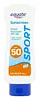
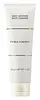
Equate Sport Broad Spectrum Sunscreen Lotion SPF 50 Versus Merle Norman Daily Moisture Milky Cleanser
This chemical sunscreen covers most of the UV range, lighter on the deep UVA that drives aging.
This mild cream makeup remover is made to dissolve makeup, sunscreen, and daily buildup.

What's inside
What's inside
 Key Ingredients
Benefits
Concerns
Ingredients Side-by-side
Butyl Methoxydibenzoylmethane 3%
UV Absorber
Homosalate 15%
Skin Conditioning
Ethylhexyl Salicylate 5%
UV Absorber
Octocrylene 7%
UV Absorber

Water
Skin ConditioningTridecyl Salicylate
Skin Conditioning
Sorbitol
Humectant

Stearic Acid
Cleansing


Aluminum Starch Octenylsuccinate
Absorbent
Triethanolamine
BufferingPolyethyloxazoline
AbsorbentCarbomer
Emulsion StabilisingDimethicone
Emollient

Tocopherol
Antioxidant





Disodium EDTA
Polyglyceryl-3 Distearate
Emulsifying
Caprylyl Glycol
Emollient
Phenoxyethanol
Preservative
Ethylhexylglycerin
Skin ConditioningSorbitan Isostearate
Emulsifying
Benzyl Alcohol
Perfuming



Parfum
Masking
Butyl Methoxydibenzoylmethane 3%, Homosalate 15%, Ethylhexyl Salicylate 5%, Octocrylene 7%, Water, Tridecyl Salicylate, Sorbitol, Stearic Acid, Aluminum Starch Octenylsuccinate, Triethanolamine, Polyethyloxazoline, Carbomer, Dimethicone, Tocopherol, Disodium EDTA, Polyglyceryl-3 Distearate, Caprylyl Glycol, Phenoxyethanol, Ethylhexylglycerin, Sorbitan Isostearate, Benzyl Alcohol, Parfum
Water
Skin ConditioningHydrogenated Polyisobutene
EmollientButylene Glycol
Humectant
Polysorbate 60
Emulsifying
Isopropyl Isostearate
Emollient
Glyceryl Stearate
Emollient
PEG-100 Stearate
Surfactant
Macadamia Ternifolia Seed Oil
Emollient
Pistacia Vera Seed Oil
Skin Conditioning
Prunus Amygdalus Dulcis Oil
Skin Conditioning
Simmondsia Chinensis Seed Oil
Emollient
Vitis Vinifera Seed Oil
Emollient
Tocopheryl Acetate
Antioxidant
Hydrolyzed Wheat Protein
Skin ConditioningTriethanolamine
BufferingPunica Granatum Extract
AstringentAvena Sativa Kernel Flour
Abrasive

Acrylates/C10-30 Alkyl Acrylate Crosspolymer
Emulsion StabilisingXanthan Gum
EmulsifyingDisodium EDTA
Phenoxyethanol
Preservative
Methylparaben
Preservative
Propylparaben
Preservative
Ethylparaben
Preservative
Parfum
Masking
Water, Hydrogenated Polyisobutene, Butylene Glycol, Polysorbate 60, Isopropyl Isostearate, Glyceryl Stearate, PEG-100 Stearate, Macadamia Ternifolia Seed Oil, Pistacia Vera Seed Oil, Prunus Amygdalus Dulcis Oil, Simmondsia Chinensis Seed Oil, Vitis Vinifera Seed Oil, Tocopheryl Acetate, Hydrolyzed Wheat Protein, Triethanolamine, Punica Granatum Extract, Avena Sativa Kernel Flour, Acrylates/C10-30 Alkyl Acrylate Crosspolymer, Xanthan Gum, Disodium EDTA, Phenoxyethanol, Methylparaben, Propylparaben, Ethylparaben, Parfum
Ingredients Explained
These ingredients are found in both products.
Ingredients higher up in an ingredient list are typically present in a larger amount.
Disodium EDTA is a chelating agent. It grabs onto and deactivates metal ions that sneak into your products from water, packaging, or air.
This ingredient mainly works behind the scenes and helps with:
On top of that, this ingredient can counteract the effects of hard water by binding to the minerals in it.
One thing worth knowing is that Disodium EDTA has been shown to be a mild penetration enhancer. It can help other ingredients absorb into skin more effectively which can be a double-edged sword (great for actives, but can also make the active too strong if you have sensitive skin).
Clinical patch testing showed no significant skin irritation at typical use concentrations and minimal dermal absorption.
You'll most likely see this ingredient near the end of an ingredient list. It's typically found in concentrations less than 1%.
Learn more about Disodium EDTAParfum is a catch-all term for an ingredient or more that is used to give a scent to products.
Also called "fragrance", this ingredient can be a blend of hundreds of chemicals or plant oils. This means every product with "fragrance" or "parfum" in the ingredients list is a different mixture.
For instance, Habanolide is a proprietary trade name for a specific aroma chemical. When used as a fragrance ingredient in cosmetics, most aroma chemicals fall under the broad labeling category of “FRAGRANCE” or “PARFUM” according to EU and US regulations.
The term 'parfum' or 'fragrance' is not regulated in many countries. In many cases, it is up to the brand to define this term.
For instance, many brands choose to label themselves as "fragrance-free" because they are not using synthetic fragrances. However, their products may still contain ingredients such as essential oils that are considered a fragrance by INCI standards.
One example is Calendula flower extract. Calendula is an essential oil that still imparts a scent or 'fragrance'.
Depending on the blend, the ingredients in the mixture can cause allergies and sensitivities on the skin. Some ingredients that are known EU allergens include linalool and citronellol.
Parfum can also be used to mask or cover an unpleasant scent.
The bottom line is: not all fragrances/parfum/ingredients are created equally. If you are worried about fragrances, we recommend taking a closer look at an ingredient. And of course, we always recommend speaking with a professional.
Learn more about ParfumPhenoxyethanol is one of the most widely used preservatives in skincare (and for good reason!).
It has a large spectrum of antimicrobial activity and especially effective bacteria, yeast, and mold while only having a weak effect on your skin's natural microbiome.
On a cellular level, it disrupts the cell membranes of microbes by poking holes that make the cell leak. This shuts down the chemical reactions the microbe needs to make energy so it can no longer survive.
Another perk of this ingredient is that it stays functional across a wide pH range (3-10).
You'll often see it paired with boosters like Ethylhexylglycerin; one study showed that a 1:9 ratio of Ethylhexylglycerin to Phenoxyethanol damages bacterial membranes as effectively as doubling the Phenoxyethanol concentration on its own.
Typical use concentrations range from 0.3-1% depending on the formula, and this ingredient is capped at 1% int the EU.
Safety-wise, the fear mongering does not hold up to the evidence. The EU's Scientific Committee on Consumer Safety and FDA consider it safe as a preservative at up to 1%, including for children of all ages.
Adverse systemic effects only showed up in animal studies at exposures roughly 200x higher than what people get from cosmetics. And despite its very widespread use, this ingredient is a rare sensitizer and allergic reactions are uncommon.
Learn more about PhenoxyethanolTriethanolamine (TEA) is an emulsifier and pH adjuster. It is created using ethylene oxide and ammonia. This gives Triethanolamine a nitrogen core and a similar scent to ammonia.
As an emulsifier, it prevents ingredients from separating and enhances texture by adding volume to a product.
PH adjusters are common in cosmetic products. The pH of a product can affect the effectiveness of other ingredients. A product with a high pH may also irritate the skin.
If you are looking for the tea leaf ingredient, click here.
Learn more about TriethanolamineWater. It's the most common cosmetic ingredient of all. You'll usually see it at the top of ingredient lists, meaning that it makes up the largest part of the product.
So why is it so popular? Water most often acts as a solvent - this means that it helps dissolve other ingredients into the formulation.
You'll also recognize water as that liquid we all need to stay alive. If you see this, drink a glass of water. Remember to stay hydrated!
Learn more about Water

