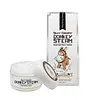
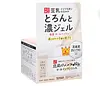
Elizavecca Silky Creamy Donkey Steam Moisture Milky Cream Versus SANA Soy Milk Moisture 6 In 1 Gel Cream Moist
This barrier-repair moisturizer is formulated around Niacinamide to strengthen the skin barrier.
This moisturizer is formulated around Glycine Soja Seed Extract and Hydrolyzed Soy Protein to hydrate skin.


What's inside
What's inside
 Key Ingredients
Benefits
Concerns
Ingredients Side-by-side
Water
Skin ConditioningDonkey Oil 6%
Emollient
Glycerin
Humectant


Butyrospermum Parkii Butter
Skin Conditioning




Butylene Glycol
Humectant
Butylene Glycol Dicaprylate/Dicaprate
EmollientCetearyl Alcohol
Emollient

Glyceryl Stearate
Emollient
Caprylic/Capric Triglyceride
Masking
Cyclopentasiloxane
Emollient
Bertholletia Excelsa Seed Oil
Emollient
Prunus Amygdalus Dulcis Oil
Skin Conditioning
Niacinamide
Smoothing









Cetyl Ethylhexanoate
EmollientPEG-100 Stearate
Surfactant
Cetyl Alcohol
Emollient
1,2-Hexanediol
Skin Conditioning
Sodium Hyaluronate
Humectant
Dictamnus Dasycarpus Root Extract
Skin ConditioningOldenlandia Diffusa Extract
Skin ConditioningCyclopia Intermedia Leaf Extract
HumectantPyrus Communis Fruit Extract
Skin ConditioningCereus Grandiflorus Flower Extract
Skin ConditioningHibiscus Sabdariffa Flower Extract
Skin ConditioningGlycine Soja Seed Extract
Skin Conditioning
Milk Protein Extract
Prunus Amygdalus Dulcis Seed Extract
Skin ConditioningTromethamine
BufferingCarbomer
Emulsion StabilisingSorbitan Sesquioleate
Emulsifying
Betaine
Humectant
Adenosine
Skin Conditioning
Xanthan Gum
EmulsifyingDisodium EDTA
ChelatingParfum
Masking


Water, Donkey Oil 6%, Glycerin, Butyrospermum Parkii Butter, Butylene Glycol, Butylene Glycol Dicaprylate/Dicaprate, Cetearyl Alcohol, Glyceryl Stearate, Caprylic/Capric Triglyceride, Cyclopentasiloxane, Bertholletia Excelsa Seed Oil, Prunus Amygdalus Dulcis Oil, Niacinamide, Cetyl Ethylhexanoate, PEG-100 Stearate, Cetyl Alcohol, 1,2-Hexanediol, Sodium Hyaluronate, Dictamnus Dasycarpus Root Extract, Oldenlandia Diffusa Extract, Cyclopia Intermedia Leaf Extract, Pyrus Communis Fruit Extract, Cereus Grandiflorus Flower Extract, Hibiscus Sabdariffa Flower Extract, Glycine Soja Seed Extract, Milk Protein Extract, Prunus Amygdalus Dulcis Seed Extract, Tromethamine, Carbomer, Sorbitan Sesquioleate, Betaine, Adenosine, Xanthan Gum, Disodium EDTA, Parfum
Water
Skin ConditioningGlycerin
Humectant
Dipropylene Glycol
HumectantCetyl Ethylhexanoate
EmollientPentylene Glycol
Skin Conditioning
Diglycerin
Humectant
Trehalose
Humectant
PEG-60 Hydrogenated Castor Oil
Emulsifying
Lactobacillus/Soymilk Ferment Filtrate
Skin ConditioningGlycine Soja Seed Extract
Skin Conditioning
Hydrolyzed Soy Protein
Humectant
PEG-240/Hdi Copolymer Bis-Decyltetradeceth-20 Ether
StabilisingAcrylates/C10-30 Alkyl Acrylate Crosspolymer
Emulsion StabilisingButylene Glycol
Humectant
PEG-32
HumectantAlcohol Denat.
Antimicrobial

Ethylhexylglycerin
Skin ConditioningGlycyrrhiza Glabra Root Extract
Bleaching
Diphenylsiloxy Phenyl Trimethicone
Skin Conditioning
Dimethicone
Emollient
Sodium Stearoyl Glutamate
CleansingTocopherol
Antioxidant

Triethylhexanoin
MaskingBehenyl Alcohol
Emollient
Pentasodium Pentetate
ChelatingSodium Hydroxide
BufferingPhenoxyethanol
Preservative
Water, Glycerin, Dipropylene Glycol, Cetyl Ethylhexanoate, Pentylene Glycol, Diglycerin, Trehalose, PEG-60 Hydrogenated Castor Oil, Lactobacillus/Soymilk Ferment Filtrate, Glycine Soja Seed Extract, Hydrolyzed Soy Protein, PEG-240/Hdi Copolymer Bis-Decyltetradeceth-20 Ether, Acrylates/C10-30 Alkyl Acrylate Crosspolymer, Butylene Glycol, PEG-32, Alcohol Denat., Ethylhexylglycerin, Glycyrrhiza Glabra Root Extract, Diphenylsiloxy Phenyl Trimethicone, Dimethicone, Sodium Stearoyl Glutamate, Tocopherol, Triethylhexanoin, Behenyl Alcohol, Pentasodium Pentetate, Sodium Hydroxide, Phenoxyethanol
Reviews
Ingredients Explained
These ingredients are found in both products.
Ingredients higher up in an ingredient list are typically present in a larger amount.
Butylene Glycol (or BG) is used within cosmetic products for a few different reasons:
Overall, Butylene Glycol is a safe and well-rounded ingredient that works well with other ingredients.
Though this ingredient works well with most skin types, some people with sensitive skin may experience a reaction such as allergic rashes, closed comedones, or itchiness.
Learn more about Butylene GlycolCetyl Ethylhexanoate is an emollient ester. It comes from cetearyl alcohol and 2-ethylhexanoic acid.
Cetyl Ethylhexanoate is an emollient that adds a velvety feel to skin without being greasy or oily. Emollients help trap moisture into your skin, keeping your skin soft and hydrated.
Glycerin (or glycerol) is a compound naturally found in your skin. It's a powerhouse humectant that pulls water into the stratum corneum.
Topically, glycerin does several things at once:
Your skin makes glycerin on its own (mostly from sebaceous oil breakdown) and shuttles it to your outermost layer of skin, or your epidermis, via aquaporin-3.
Aquaporin-3 is a transporter that is essential for normal skin hydration, elasticity, and repair. Interestingly, mice lacking in AQP3 have dry and less elastic skin that can be fully corrected with glycerin.
This ingredient is non-irritating, plays well with almost every ingredient, and works across all skin types. Typical use is anywhere between 3-10% but can go up to 79% in some leave-on products.
Just know very high concentrations (>40%) can feel tacky in low humidity.
Glycerin is the name for this ingredient in American English. British English uses Glycerol/Glycerine.
Learn more about GlycerinGlycine Soja Seed Extract comes from the seed of the wild soybean plant. Wild soybean extract contains fatty acids (linoleic, oleic, linolenic), vitamin E, and antioxidants.
The wild soybean contains soyasaponins, a bioactive compound. Soyasaponins have inflammatory, antimutagenic, anticarcinogenic, antimicrobial properties. Soyasaponin has also been found to inhibit the melanin-creation process.
Two powerful components found in the wild soybean include genistein and diadzein. These two isoflavones are potent antioxidants with anti-inflammatory properties. Genistein in particular has been found to prevent redness caused by UV exposure.
One study from South Korea found wild soybean extract to help promote hair growth at the cellular level.
The wild soybean plant is a cousin to the famous soybean that gives us tofu, soy milk, and soy sauce.
Learn more about Glycine Soja Seed ExtractWater. It's the most common cosmetic ingredient of all. You'll usually see it at the top of ingredient lists, meaning that it makes up the largest part of the product.
So why is it so popular? Water most often acts as a solvent - this means that it helps dissolve other ingredients into the formulation.
You'll also recognize water as that liquid we all need to stay alive. If you see this, drink a glass of water. Remember to stay hydrated!
Learn more about Water

