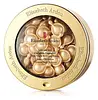
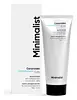
Elizabeth Arden Advanced Ceramide Capsules Daily Youth Restoring Serum Versus Minimalist Ceramides 0.3% + Madecassoside
This barrier-repair serum is formulated around Ceramide EOP and Ceramide NP to strengthen the skin barrier and soften the look of wrinkles.
This barrier-repair moisturizer is formulated around Avena Sativa Kernel Extract and Madecassoside to strengthen the skin barrier and calm redness.


What's inside
What's inside
 Key Ingredients
Benefits
Concerns
Ingredients Side-by-side
Isononyl Isononanoate
EmollientIsodecyl Neopentanoate
EmollientIsododecane
EmollientIsopropyl Myristate
Emollient





Dimethicone
Emollient

Camellia Japonica Seed Oil
Emollient

Divinyldimethicone/Dimethicone Copolymer
Dimethicone Crosspolymer
Emulsion Stabilising
Caprylic Acid
CleansingCaprylic/Capric Triglyceride
Masking

Ceramide EOP
Skin Conditioning



Ceramide NP
Skin Conditioning
Ceramide AP
Skin Conditioning
Cholesterol
Emollient
Cocos Nucifera Oil
Masking
Crithmum Maritimum Extract
Skin ConditioningLinoleic Acid
Cleansing
Linolenic Acid
Cleansing
Medicago Sativa Extract
TonicPhytosphingosine
Skin Conditioning
Retinyl Palmitate
Skin Conditioning

Squalene
Emollient
Tocopherol
Antioxidant

Isononyl Isononanoate, Isodecyl Neopentanoate, Isododecane, Isopropyl Myristate, Dimethicone, Camellia Japonica Seed Oil, Divinyldimethicone/Dimethicone Copolymer, Dimethicone Crosspolymer, Caprylic Acid, Caprylic/Capric Triglyceride, Ceramide EOP, Ceramide NP, Ceramide AP, Cholesterol, Cocos Nucifera Oil, Crithmum Maritimum Extract, Linoleic Acid, Linolenic Acid, Medicago Sativa Extract, Phytosphingosine, Retinyl Palmitate, Squalene, Tocopherol
Water
Skin ConditioningAvena Sativa Kernel Extract
Abrasive
Dicaprylyl Carbonate
EmollientGlycerin
Humectant
Glyceryl Glucoside
Humectant
Butylene Glycol
Humectant
Trehalose
Humectant
Saccharide Isomerate
Humectant
Ursolic Acid
MaskingAminobutyric Acid
Pentylene Glycol
Skin Conditioning
Allantoin
Skin Conditioning
Cholesterol
Emollient
Hydrogenated Lecithin
Emulsifying
Madecassoside
Antioxidant
Polyacrylate-13
Polyisobutene
Polysorbate 20
Emulsifying
Glyceryl Stearate
Emollient
Sucrose Distearate
Emollient
Propylene Glycol
Humectant
Phenoxyethanol
Preservative
Ceramide NP
Skin Conditioning
Ceramide EOP
Skin Conditioning
Ceramide Ns
Skin Conditioning
Ceramide As
Skin Conditioning
Ceramide AP
Skin Conditioning
Triethanolamine
BufferingEthylhexylglycerin
Skin ConditioningCitric Acid
Buffering
Sodium Citrate
BufferingCarbomer
Emulsion StabilisingTrisodium Ethylenediamine Disuccinate
ChelatingWater, Avena Sativa Kernel Extract, Dicaprylyl Carbonate, Glycerin, Glyceryl Glucoside, Butylene Glycol, Trehalose, Saccharide Isomerate, Ursolic Acid, Aminobutyric Acid, Pentylene Glycol, Allantoin, Cholesterol, Hydrogenated Lecithin, Madecassoside, Polyacrylate-13, Polyisobutene, Polysorbate 20, Glyceryl Stearate, Sucrose Distearate, Propylene Glycol, Phenoxyethanol, Ceramide NP, Ceramide EOP, Ceramide Ns, Ceramide As, Ceramide AP, Triethanolamine, Ethylhexylglycerin, Citric Acid, Sodium Citrate, Carbomer, Trisodium Ethylenediamine Disuccinate
Reviews
Alternatives
Ingredients Explained
These ingredients are found in both products.
Ingredients higher up in an ingredient list are typically present in a larger amount.
Ceramide AP is is a skin-identical lipid that mimics what your skin already makes naturally. Ceramides help maintain epidermal integrity and barrier function.
You'll often see this ingredient paired with other ceramides (like ceramide NP), cholesterol, or fatty acids because this combination best mimics the natural lipid mix your skin already has.
The skin's ability to produce ceramides gets disrupted in skin conditions like eczema. This in turn weakens the skin barrier and applying ceramides topically has been shown to replenish what's been lost to restore barrier function.
Most of the studies with Ceramide AP test it as part of a multi-ceramide complex; studies reinforce ceramide AP's role in rebalancing ceramides in skin and improving skin hydration.
Learn more about Ceramide APCeramide EOP is formally known as Ceramide 1.
It is naturally found in skin and part of the intercellular "mortar" holding everything together in your outermost layer.
EOP stands for a linked Ester fatty acid, a linked Omega hydroxy fatty acid, and the Phytosphingosine base.
What makes Ceramide EOP special is its ultra-long fatty acid chain; this unique structure allows it to bridge the lipid layers in your skin barrier to prevent water loss (something no other ceramide can do).
Low levels of Ceramide EOP have been found in people with eczema and psoriasis.
Using it together with other ceramides, cholesterol, and linoleic acid have been shown to meaningfully improve hydration and reduce water loss.
In one clinical study, a regimen using Ceramide EOP, NP, and AP led to significant symptom improvements in patients with eczema, psoriasis, and dry skin in just 4 weeks.
You'll usually see concentrations between 0.1-0.5% in formulations. Overall, this is a well-tolerated and safe ingredient for cosmetic use.
Learn more about Ceramide EOPCeramide NP (formerly known as Ceramide 3) is one of the skin's naturally occurring lipids.
Since ceramides are the major lipid components of the skin, they are crucial for maintaining skin barrier and hydration. Ceramide NP most closely mirrors the dominant kind in human skin amongst ceramide subtypes.
This ceramide works by slotting into gaps within the stratum corneum's lipid matrix to limit trans-epidermal water loss (TEWL) and shield the skin against external irritants.
A study with 312 patients found that using a ceramide-containing routine for 4 weeks reduced the severity of atopic dermatitis by over 61%.
Another clinical study in subjects aged 60 and older found that a ceramide body wash and moisturizer improved skin dryness and itchy skin in 15 days.
Overall, ceramides are considered non-irritating and safety tests have found little to no observable adverse effects from using this ingredient.
Ceramide NP is usually sourced from plants (like soybean or rice bran), or produced synthetically.
Learn more about Ceramide NPCholesterol is a lipid that is naturally found in human skin and is one of the three key components of your skin barrier. In skincare, it is an emollient and barrier-repairing ingredient.
It works by fitting directly into the lipid layers of skin to help restore structure and reduce transepidermal water loss (TEWL).
This is a great ingredient for dry, compromised, or aging skin; our skin starts to produce less cholesterol with age.
Research shows cholesterol works best in combination with ceramides and fatty acids, the other two major components in your skin barrier.
Cholesterol is also a well-establish penetration enhancer and can help other actives absorb more effectively.
Cosmetic-grade cholesterol is usually derived from lanolin but plant and synthetic options also exist. We recommend reaching out to the brand if you have questions about their source of cholesterol.
Learn more about Cholesterol

