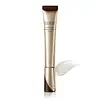
This anti-aging eye moisturizer is formulated around Retinol and Tranexamic Acid to soften the look of wrinkles and refine skin texture.
This anti-aging emulsion is formulated around Retinal and Ergothioneine to soften the look of wrinkles and refine skin texture.


What's inside
What's inside
 Key Ingredients
Benefits
Concerns
Ingredients Side-by-side
Water
Skin ConditioningPentaerythrityl Tetraethylhexanoate
Emollient
Butylene Glycol
Humectant
Glycerin
Humectant
Dipropylene Glycol
HumectantAlcohol
Antimicrobial




PEG-20
HumectantDimethicone
Emollient
Tranexamic Acid
Astringent




Bis-Diglyceryl Polyacyladipate-2
Emollient
Ricinus Communis Seed Oil
Masking

PEG-60 Hydrogenated Castor Oil
Emulsifying
Hydroxyethylcellulose
Emulsion StabilisingTocopheryl Acetate
Antioxidant

Inositol
Humectant
Sapindus Mukorossi Peel Extract
Skin ConditioningRosmarinus Officinalis Leaf Oil
Masking
Soluble Collagen
Humectant
Thymus Serpyllum Extract
Skin ConditioningEucheuma Serra/Grateloupia Sparsa/Saccharina Angustata/Ulva Linza/Undaria Pinnatifida Extract
EmollientSodium Acetylated Hyaluronate
Humectant
Rosa Centifolia Flower Extract
Astringent
Hydroxyproline
Skin ConditioningPaeonia Lactiflora Root Extract
Skin ConditioningSaccharina Angustata/Undaria Pinnatifida Extract
EmollientCurcuma Longa Rhizome Extract
Skin ConditioningOriganum Majorana Leaf Extract
AntiseborrhoeicGarcinia Mangostana Bark Extract
Skin ConditioningSophora Angustifolia Root Extract
Skin ConditioningBupleurum Falcatum Root Extract
Skin ConditioningPPG-17
Skin ConditioningPEG-400
Emulsion StabilisingSodium Acrylate/Sodium Acryloyldimethyl Taurate Copolymer
Emulsion StabilisingTriisostearin
Skin Conditioning
Isohexadecane
EmollientBehenyl Alcohol
Emollient
Polyvinyl Alcohol
Polysorbate 80
Emulsifying
Carbomer
Emulsion StabilisingStearyl Alcohol
Emollient
BHT
Antioxidant
Retinol
Skin Conditioning




Polysorbate 20
Emulsifying
Sorbitan Oleate
Emulsifying
Sodium Metaphosphate
BufferingPPG-3 Dipivalate
Skin ConditioningSodium Metabisulfite
Antioxidant
Tocopherol
Antioxidant
Phenoxyethanol
Preservative
Benzoic Acid
Masking
Parfum
Masking
CI 77492
Cosmetic ColorantWater, Pentaerythrityl Tetraethylhexanoate, Butylene Glycol, Glycerin, Dipropylene Glycol, Alcohol, PEG-20, Dimethicone, Tranexamic Acid, Bis-Diglyceryl Polyacyladipate-2, Ricinus Communis Seed Oil, PEG-60 Hydrogenated Castor Oil, Hydroxyethylcellulose, Tocopheryl Acetate, Inositol, Sapindus Mukorossi Peel Extract, Rosmarinus Officinalis Leaf Oil, Soluble Collagen, Thymus Serpyllum Extract, Eucheuma Serra/Grateloupia Sparsa/Saccharina Angustata/Ulva Linza/Undaria Pinnatifida Extract, Sodium Acetylated Hyaluronate, Rosa Centifolia Flower Extract, Hydroxyproline, Paeonia Lactiflora Root Extract, Saccharina Angustata/Undaria Pinnatifida Extract, Curcuma Longa Rhizome Extract, Origanum Majorana Leaf Extract, Garcinia Mangostana Bark Extract, Sophora Angustifolia Root Extract, Bupleurum Falcatum Root Extract, PPG-17, PEG-400, Sodium Acrylate/Sodium Acryloyldimethyl Taurate Copolymer, Triisostearin, Isohexadecane, Behenyl Alcohol, Polyvinyl Alcohol, Polysorbate 80, Carbomer, Stearyl Alcohol, BHT, Retinol, Polysorbate 20, Sorbitan Oleate, Sodium Metaphosphate, PPG-3 Dipivalate, Sodium Metabisulfite, Tocopherol, Phenoxyethanol, Benzoic Acid, Parfum, CI 77492
Water
Skin ConditioningCoco-Caprylate/Caprate
Emollient
Propanediol
Solvent
Pentylene Glycol
Skin Conditioning
Hydroxyapatite
Abrasive
Retinal
Skin Conditioning
Cetylhydroxyproline Palmitamide
Skin Conditioning4-T-Butylcyclohexanol
Masking
Hydroxyphenyl Propamidobenzoic Acid
Skin ConditioningErgothioneine
Antioxidant
Biosaccharide Gum-1
Humectant
Bisabolol
Antioxidant
Brassica Campestris Sterols
EmollientZingiber Officinale Root Extract
Masking
Butylene Glycol
Humectant
Isohexadecane
EmollientHexyldecanol
Emollient
Maltodextrin
Absorbent
Caesalpinia Spinosa Gum
Skin ConditioningPolyacrylate Crosspolymer-6
Emulsion StabilisingHydroxyethyl Acrylate/Sodium Acryloyldimethyl Taurate Copolymer
Emulsion StabilisingStearic Acid
Cleansing
Isoceteth-20
EmulsifyingPolysorbate 60
Emulsifying
Ascorbyl Palmitate
Antioxidant
Tocopherol
Antioxidant
Lactic Acid
Buffering
Sodium Lactate
Buffering
Sodium Hydroxide
BufferingEthylhexylglycerin
Skin ConditioningPhenoxyethanol
Preservative
Chlorphenesin
Antimicrobial
Water, Coco-Caprylate/Caprate, Propanediol, Pentylene Glycol, Hydroxyapatite, Retinal, Cetylhydroxyproline Palmitamide, 4-T-Butylcyclohexanol, Hydroxyphenyl Propamidobenzoic Acid, Ergothioneine, Biosaccharide Gum-1, Bisabolol, Brassica Campestris Sterols, Zingiber Officinale Root Extract, Butylene Glycol, Isohexadecane, Hexyldecanol, Maltodextrin, Caesalpinia Spinosa Gum, Polyacrylate Crosspolymer-6, Hydroxyethyl Acrylate/Sodium Acryloyldimethyl Taurate Copolymer, Stearic Acid, Isoceteth-20, Polysorbate 60, Ascorbyl Palmitate, Tocopherol, Lactic Acid, Sodium Lactate, Sodium Hydroxide, Ethylhexylglycerin, Phenoxyethanol, Chlorphenesin
Reviews
Alternatives
Ingredients Explained
These ingredients are found in both products.
Ingredients higher up in an ingredient list are typically present in a larger amount.
Butylene Glycol (or BG) is used within cosmetic products for a few different reasons:
Overall, Butylene Glycol is a safe and well-rounded ingredient that works well with other ingredients.
Though this ingredient works well with most skin types, some people with sensitive skin may experience a reaction such as allergic rashes, closed comedones, or itchiness.
Learn more about Butylene GlycolIsohexadecane is added to enhance texture, emulsify, and to help cleanse. It is an isoparrafin. It is a component of petrolatum.
Due to its large size, Isohexadecane is not absorbed by the skin. Instead, it sits on top and acts as an emollient. Emollients help keep your skin soft and smooth by trapping moisture within.
Isohexadecane is often used in products designed to help oily skin. It is lightweight and non-greasy while helping to moisturize. When mixed with silicones, it gives a product a silky feel.
Learn more about IsohexadecanePhenoxyethanol is one of the most widely used preservatives in skincare (and for good reason!).
It has a large spectrum of antimicrobial activity and especially effective bacteria, yeast, and mold while only having a weak effect on your skin's natural microbiome.
On a cellular level, it disrupts the cell membranes of microbes by poking holes that make the cell leak. This shuts down the chemical reactions the microbe needs to make energy so it can no longer survive.
Another perk of this ingredient is that it stays functional across a wide pH range (3-10).
You'll often see it paired with boosters like Ethylhexylglycerin; one study showed that a 1:9 ratio of Ethylhexylglycerin to Phenoxyethanol damages bacterial membranes as effectively as doubling the Phenoxyethanol concentration on its own.
Typical use concentrations range from 0.3-1% depending on the formula, and this ingredient is capped at 1% int the EU.
Safety-wise, the fear mongering does not hold up to the evidence. The EU's Scientific Committee on Consumer Safety and FDA consider it safe as a preservative at up to 1%, including for children of all ages.
Adverse systemic effects only showed up in animal studies at exposures roughly 200x higher than what people get from cosmetics. And despite its very widespread use, this ingredient is a rare sensitizer and allergic reactions are uncommon.
Learn more about PhenoxyethanolTocopherol is a fat-soluble antioxidant known as Vitamin E.
You'll find this ingredient in the vast majority of skincare (for good reason). It works to neutralize free radicals, or unstable molecules generated by UV exposure, pollution, and other environmental stressors, before they can cause oxidative damage to your skin cells.
Topically applied tocopherol has been shown to protect against UV damage by ramping up the skin's own natural defense enzymes.
It also acts as a skin conditioning agent; some studies show that regular topical use can improve the skin's water-binding capacity over 2-4 weeks.
This ingredient is especially loved for being a team player. When combined with Vitamin C, the photoprotective effect of both ingredients roughly doubles and the combo also helps reduce UV-induced DNA damage.
This ingredient has some brightening potential but it's more of a prevention ingredient than spot-fader. Cell studies show it can slow down melanin production but it's worth noting that it's not the most powerful brightener out there.
In formulations, it also serves as a stabilizer that helps protect other oxidation-prone ingredients from degrading.
Concentrations usually range from 0.1-1% in most leave-on products.
Learn more about TocopherolWater. It's the most common cosmetic ingredient of all. You'll usually see it at the top of ingredient lists, meaning that it makes up the largest part of the product.
So why is it so popular? Water most often acts as a solvent - this means that it helps dissolve other ingredients into the formulation.
You'll also recognize water as that liquid we all need to stay alive. If you see this, drink a glass of water. Remember to stay hydrated!
Learn more about Water

