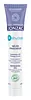
This barrier-repair moisturizer is formulated around Butyrospermum Parkii Butter and Sodium Hyaluronate to strengthen the skin barrier and hydrate skin.
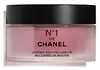
This anti-aging moisturizer is formulated around Camellia Oleifera Seed Oil and Palmitoyl Tetrapeptide-7 to soften the look of wrinkles and hydrate skin.

What's inside
What's inside
 Key Ingredients
Benefits
Concerns
Ingredients Side-by-side
Water
Skin ConditioningMalva Sylvestris Extract
AstringentGlycerin
Humectant


Propanediol
Solvent
Coco-Caprylate/Caprate
Emollient
Octyldodecanol
Emollient
Dicaprylyl Carbonate
EmollientLauryl Laurate
Skin Conditioning

Pentylene Glycol
Skin Conditioning
Butyrospermum Parkii Butter
Skin Conditioning


Cetearyl Olivate
Sorbitan Olivate
Emulsifying
Xanthan Gum
EmulsifyingBentonite
Absorbent


Parfum
Masking


Sodium Levulinate
Skin ConditioningSclerotium Gum
Emulsion StabilisingGlyceryl Undecylenate
Emollient
Ricinus Communis Seed Oil
Masking
Sodium Benzoate
Masking
Lysolecithin
EmulsifyingLactic Acid
Buffering




Hydrogenated Castor Oil
Emollient
Sodium Hyaluronate
Humectant

Sodium Hydroxide
BufferingPullulan
Oryza Sativa Hull Powder
Abrasive
Tocopherol
Antioxidant

Glycine Soja Oil
Emollient
Water, Malva Sylvestris Extract, Glycerin, Propanediol, Coco-Caprylate/Caprate, Octyldodecanol, Dicaprylyl Carbonate, Lauryl Laurate, Pentylene Glycol, Butyrospermum Parkii Butter, Cetearyl Olivate, Sorbitan Olivate, Xanthan Gum, Bentonite, Parfum, Sodium Levulinate, Sclerotium Gum, Glyceryl Undecylenate, Ricinus Communis Seed Oil, Sodium Benzoate, Lysolecithin, Lactic Acid, Hydrogenated Castor Oil, Sodium Hyaluronate, Sodium Hydroxide, Pullulan, Oryza Sativa Hull Powder, Tocopherol, Glycine Soja Oil
Camellia Japonica Flower Water
Skin ConditioningGlycerin
Humectant
Water
Skin ConditioningHydrogenated Ethylhexyl Olivate
EmollientCamellia Oleifera Seed Oil
Skin Conditioning
C10-18 Triglycerides
Emollient
Butyrospermum Parkii Butter
Skin Conditioning
Sodium Acrylates Copolymer
Behenyl Alcohol
Emollient
Pentylene Glycol
Skin Conditioning
Propanediol
Solvent
Camellia Japonica Seed Oil
Emollient
Faex
Skin ConditioningCamellia Japonica Flower Extract
EmollientTocopheryl Acetate
Antioxidant
Ethylhexylglycerin
Skin ConditioningHydrogenated Olive Oil Unsaponifiables
Emollient
Lecithin
Emollient
Parfum
Masking
Chlorphenesin
Antimicrobial
Chondrus Crispus Powder
Abrasive
Caprylyl Glycol
Emollient
Lysolecithin
EmulsifyingSclerotium Gum
Emulsion StabilisingXanthan Gum
EmulsifyingSodium Gluconate
ChelatingGlycine Soja Seed Extract
Skin Conditioning
Sodium Hyaluronate
Humectant
Adenosine
Skin Conditioning
Lactic Acid
Buffering
1,2-Hexanediol
Skin Conditioning
Palmitoyl Tetrapeptide-7
Skin Conditioning
Tocopherol
Antioxidant
Citric Acid
Buffering
Camellia Japonica Flower Water, Glycerin, Water, Hydrogenated Ethylhexyl Olivate, Camellia Oleifera Seed Oil, C10-18 Triglycerides, Butyrospermum Parkii Butter, Sodium Acrylates Copolymer, Behenyl Alcohol, Pentylene Glycol, Propanediol, Camellia Japonica Seed Oil, Faex, Camellia Japonica Flower Extract, Tocopheryl Acetate, Ethylhexylglycerin, Hydrogenated Olive Oil Unsaponifiables, Lecithin, Parfum, Chlorphenesin, Chondrus Crispus Powder, Caprylyl Glycol, Lysolecithin, Sclerotium Gum, Xanthan Gum, Sodium Gluconate, Glycine Soja Seed Extract, Sodium Hyaluronate, Adenosine, Lactic Acid, 1,2-Hexanediol, Palmitoyl Tetrapeptide-7, Tocopherol, Citric Acid
Reviews
Ingredients Explained
These ingredients are found in both products.
Ingredients higher up in an ingredient list are typically present in a larger amount.
This ingredient is also known as shea butter. It is a plant-derived extract from the nuts of the Africa shea tree and one of the most well-studied emollients.
Because it has a high concentration of fatty acids (primarily oleic, stearic, and linoleic) it is able to form a protective barrier on the skin's surface. This helps seal in moisture and prevents transepidermal water loss (TEWL).
In vitro research found an increase in skin hydration by 58% and a decrease in TEWL by 37.8% after 24 hours of applying this ingredient (pretty impressive for a single ingredient!).
Besides hydration, shea butter also contains triterpenes that have anti-inflammatory potential. In particule, lupeol cinnamate has shown the highest anti-inflammatory activity in vivo.
Shea butter also contains vitamins A and E which may contribute to antioxidant activity.
While Shea Butter has an SPF rating of about 3-4, it is not a sunscreen replacement.
This ingredient may not be fungal acne safe because its fatty acids fall within the C11-C24 range that the Malassezia yeast can metabolize.
This ingredient shows up on a lot of "pore-clogging" lists but there's no real evidence behind that. It doesn't even have a comedogenic rating from an actual study; the numbers you'll find online come from blogs citing other blogs.
Ratings for other ingredients mostly come from a 1980s rabbit ear test. This test doesn't translate well to human skin or to real products because the ingredient sits at a much lower percentage.
Some people still find it breaks them out. So if that's you, definitely trust your skin. Just know this one's based on experience and not evidence.
Learn more about Butyrospermum Parkii ButterGlycerin (or glycerol) is a compound naturally found in your skin. It's a powerhouse humectant that pulls water into the stratum corneum.
Topically, glycerin does several things at once:
Your skin makes glycerin on its own (mostly from sebaceous oil breakdown) and shuttles it to your outermost layer of skin, or your epidermis, via aquaporin-3.
Aquaporin-3 is a transporter that is essential for normal skin hydration, elasticity, and repair. Interestingly, mice lacking in AQP3 have dry and less elastic skin that can be fully corrected with glycerin.
This ingredient is non-irritating, plays well with almost every ingredient, and works across all skin types. Typical use is anywhere between 3-10% but can go up to 79% in some leave-on products.
Just know very high concentrations (>40%) can feel tacky in low humidity.
Glycerin is the name for this ingredient in American English. British English uses Glycerol/Glycerine.
Learn more about GlycerinLactic Acid is another well-loved alpha hydroxy acid (AHA). It is gentler than glycolic acid but still highly effective.
Its main role is to exfoliate the surface of the skin by loosening the “glue” that holds dead skin cells together. Shedding those old cells leads to smoother, softer, and more even-toned skin.
Because lactic acid molecules are larger than glycolic acid, they don’t penetrate as deeply. This means they’re less likely to sting or irritate, making it a great choice for beginners or those with sensitive skin.
Like glycolic acid, it can:
Lactic acid also acts as a humectant (like hyaluronic acid). It can draw water into the skin to improve hydration and also plays a role in the skin's natural moisturizing factor (NMF) in the form of sodium lactate.
Studies show it can boost ceramide production to strengthen the skin barrier and even help balance the skin’s microbiome.
To get results, choose products with a pH between 3-4.
Lower strengths (5-12%) focus on surface exfoliation; higher strengths (12% and up) can reach deeper in the dermis (deeper, supportive layer) to improve skin texture and firmness over time.
Though it was originally derived from milk, most modern lactic acid used in skincare is vegan. It is made through non-dairy fermentation to create a bio-identical and stable form suitable for all formulations.
When lactic acid shows up near the end of an ingredient list, it usually means the brand added just a tiny amount to adjust the product’s pH.
Legend has it that Cleopatra used to bathe in sour milk to help reduce wrinkles.
Lactic acid is truly a gentle multitasker: it exfoliates, hydrates, strengthens, and brightens. It's a great ingredient for giving your skin a smooth, glowing, and healthy look without the harshness of stronger acids.
Read more about some other popular AHA's here:
Learn more about Lactic AcidWe don't have a description for Lysolecithin yet.
Parfum is a catch-all term for an ingredient or more that is used to give a scent to products.
Also called "fragrance", this ingredient can be a blend of hundreds of chemicals or plant oils. This means every product with "fragrance" or "parfum" in the ingredients list is a different mixture.
For instance, Habanolide is a proprietary trade name for a specific aroma chemical. When used as a fragrance ingredient in cosmetics, most aroma chemicals fall under the broad labeling category of “FRAGRANCE” or “PARFUM” according to EU and US regulations.
The term 'parfum' or 'fragrance' is not regulated in many countries. In many cases, it is up to the brand to define this term.
For instance, many brands choose to label themselves as "fragrance-free" because they are not using synthetic fragrances. However, their products may still contain ingredients such as essential oils that are considered a fragrance by INCI standards.
One example is Calendula flower extract. Calendula is an essential oil that still imparts a scent or 'fragrance'.
Depending on the blend, the ingredients in the mixture can cause allergies and sensitivities on the skin. Some ingredients that are known EU allergens include linalool and citronellol.
Parfum can also be used to mask or cover an unpleasant scent.
The bottom line is: not all fragrances/parfum/ingredients are created equally. If you are worried about fragrances, we recommend taking a closer look at an ingredient. And of course, we always recommend speaking with a professional.
Learn more about ParfumPentylene Glycol (1,2-pentanediol) is a multitasking little diol with three main roles in a formula:
Research on alkanediols (the family pentylene glycol belongs to) show they work by disrupting microbial cell membranes. This disruption helps the primary preservative system in a product work more effectively at lower doses.
On the safety side, the Cosmetic Ingredient Review Expert Panel has concluded this ingredient to be safe as used in current cosmetic practices + concentrations.
Typical use levels in a formula run about 1-5%.
Learn more about Pentylene GlycolPropanediol is an all-star ingredient. It softens, hydrates, and smooths the skin.
It’s often used to:
Propanediol is not likely to cause sensitivity and considered safe to use. It is derived from corn or petroleum with a clear color and no scent.
Learn more about PropanediolSclerotium Gum is a natural sugar-based fiber made by fermenting a fungus called Sclerotium rolfsii. It's often used as the plant-friendly alternative for synthetic thickeners like carbomer.
In skincare, it works as a thickener, gel former, and stabilizer that keeps heavy ingredients suspended so a product does not separate.
It is non-ionic and forms a triple helix in solution. This is just a fancy way of saying it builds a smooth, cushiony, and non-sticky gel that feels silkier than many other gums.
Another perk of this ingredient is that it is very sturdy and holds up across a wide pH range (~2-11). It's also good at resisting heat and hydrolysis.
Since it holds water at the skin surface, it can provide some light hydration as well.
Typical use levels are around 0.25-2%; formulators usually use 0.2-0.5% to thicken lotions and up to 2% for a firmer gel base.
This ingredient has been found safe in cosmetics with no meaningful evidence of skin sensitization.
Learn more about Sclerotium GumSodium Hyaluronate is the salt form of hyaluronic acid. It is a long sugar chain that is naturally found in your skin, joints, and connective tissue that maintains hydration and elasticity.
In skincare, it works as a humectant. It pulls water from the environment and deeper layers of skin and binds it to the surface.
Interestingly, the size of the molecule affects its behavior:
Some clinical evidence links low molecular weight versions to improved wrinkle depth, elasticity, anti-inflammatory effects, and barrier repair.
Many serums use a blend of both weights so you can get surface hydration plus longer-lasting and deeper effects.
You'll typically see concentrations between 0.1-2% for this ingredient.
Learn more about Sodium HyaluronateTocopherol is a fat-soluble antioxidant known as Vitamin E.
You'll find this ingredient in the vast majority of skincare (for good reason). It works to neutralize free radicals, or unstable molecules generated by UV exposure, pollution, and other environmental stressors, before they can cause oxidative damage to your skin cells.
Topically applied tocopherol has been shown to protect against UV damage by ramping up the skin's own natural defense enzymes.
It also acts as a skin conditioning agent; some studies show that regular topical use can improve the skin's water-binding capacity over 2-4 weeks.
This ingredient is especially loved for being a team player. When combined with Vitamin C, the photoprotective effect of both ingredients roughly doubles and the combo also helps reduce UV-induced DNA damage.
This ingredient has some brightening potential but it's more of a prevention ingredient than spot-fader. Cell studies show it can slow down melanin production but it's worth noting that it's not the most powerful brightener out there.
In formulations, it also serves as a stabilizer that helps protect other oxidation-prone ingredients from degrading.
Concentrations usually range from 0.1-1% in most leave-on products.
Learn more about TocopherolWater. It's the most common cosmetic ingredient of all. You'll usually see it at the top of ingredient lists, meaning that it makes up the largest part of the product.
So why is it so popular? Water most often acts as a solvent - this means that it helps dissolve other ingredients into the formulation.
You'll also recognize water as that liquid we all need to stay alive. If you see this, drink a glass of water. Remember to stay hydrated!
Learn more about WaterXanthan gum is used as a stabilizer and thickener within cosmetic products. It helps give products a sticky, thick feeling - preventing them from being too runny.
On the technical side of things, xanthan gum is a polysaccharide - a combination consisting of multiple sugar molecules bonded together.
Xanthan gum is a pretty common and great ingredient. It is a natural, non-toxic, non-irritating ingredient that is also commonly used in food products.
Learn more about Xanthan Gum

