Earth Science Naturals Perfect Hydration Oil-Free Moisturizer Versus Paula's Choice Clear Oil-Free Moisturizer
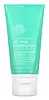
This calming moisturizer is formulated around Aloe Barbadensis Leaf Juice and Sodium Hyaluronate to calm redness and hydrate skin.
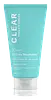
This barrier-repair moisturizer is formulated around Niacinamide and Ceramide NP to strengthen the skin barrier and calm redness.

What's inside
What's inside
 Key Ingredients
Benefits
Concerns
Ingredients Side-by-side
Water
Skin ConditioningAloe Barbadensis Leaf Juice
Skin Conditioning


Glycerin
Humectant

Ethylhexyl Palmitate
Emollient




Caprylic/Capric Triglyceride
Masking
Glyceryl Stearate Se
Emulsifying
Cetearyl Alcohol
Emollient
Stearic Acid
Cleansing
Sodium Hyaluronate
Humectant

Chamomilla Recutita Flower Extract
Masking
Camellia Sinensis Leaf Extract
Antimicrobial



Allantoin
Skin Conditioning
Panthenol
Skin Conditioning
Sodium PCA
Humectant
Arnica Montana Flower Extract
Masking
Calendula Officinalis Flower Extract
Masking
Lavandula Angustifolia Flower Extract
Cleansing

Tocopherol
Antioxidant

Dimethicone
Emollient
Xanthan Gum
EmulsifyingGlyceryl Laurate
Emollient
Undecylenic Glycerides
Phenoxyethanol
Preservative
Ethylhexylglycerin
Skin ConditioningWater, Aloe Barbadensis Leaf Juice, Glycerin, Ethylhexyl Palmitate, Caprylic/Capric Triglyceride, Glyceryl Stearate Se, Cetearyl Alcohol, Stearic Acid, Sodium Hyaluronate, Chamomilla Recutita Flower Extract, Camellia Sinensis Leaf Extract, Allantoin, Panthenol, Sodium PCA, Arnica Montana Flower Extract, Calendula Officinalis Flower Extract, Lavandula Angustifolia Flower Extract, Tocopherol, Dimethicone, Xanthan Gum, Glyceryl Laurate, Undecylenic Glycerides, Phenoxyethanol, Ethylhexylglycerin
Water
Skin ConditioningEthyl Macadamiate
Skin Conditioning
Glycerin
Humectant
Cetearyl Alcohol
Emollient
Propanediol
Solvent
Triethylhexanoin
MaskingSodium Acrylates Copolymer
Glyceryl Stearate
Emollient
PEG-100 Stearate
Surfactant
Glycyrrhiza Glabra Root
Skin ConditioningHydrolyzed Pumpkin Seedcake
Skin ProtectingVaccinium Angustifolium Fruit Extract
Skin Protecting
Euterpe Oleracea Fruit Extract
Prunus Serotina Fruit Extract
MaskingNiacinamide
Smoothing


Tripeptide-29
Skin Conditioning
Ceramide NP
Skin Conditioning
Ceramide AP
Skin Conditioning
Ceramide EOP
Skin Conditioning
Sodium Hyaluronate
Humectant
Phytosphingosine
Skin Conditioning
Cholesterol
Emollient
Panthenol
Skin Conditioning
Sodium PCA
Humectant
Adenosine
Skin Conditioning
Lecithin
Emollient
Arginine
Masking
Sodium Lauroyl Lactylate
EmulsifyingSodium Gluconate
ChelatingCitric Acid
Buffering
Isohexadecane
EmollientXanthan Gum
EmulsifyingCarbomer
Emulsion StabilisingPhenoxyethanol
Preservative
Ethylhexylglycerin
Skin ConditioningWater, Ethyl Macadamiate, Glycerin, Cetearyl Alcohol, Propanediol, Triethylhexanoin, Sodium Acrylates Copolymer, Glyceryl Stearate, PEG-100 Stearate, Glycyrrhiza Glabra Root, Hydrolyzed Pumpkin Seedcake, Vaccinium Angustifolium Fruit Extract, Euterpe Oleracea Fruit Extract, Prunus Serotina Fruit Extract, Niacinamide, Tripeptide-29, Ceramide NP, Ceramide AP, Ceramide EOP, Sodium Hyaluronate, Phytosphingosine, Cholesterol, Panthenol, Sodium PCA, Adenosine, Lecithin, Arginine, Sodium Lauroyl Lactylate, Sodium Gluconate, Citric Acid, Isohexadecane, Xanthan Gum, Carbomer, Phenoxyethanol, Ethylhexylglycerin
Reviews
Ingredients Explained
These ingredients are found in both products.
Ingredients higher up in an ingredient list are typically present in a larger amount.
Cetearyl alcohol is a waxy mixture of two fatty alcohols: cetyl alcohol and stearyl alcohol. It is an emollient and emulsifier.
Despite having "alcohol" in its name, it has nothing to do with drying solvent alcohols; the FDA also allows "alcohol-free" products to contain fatty alcohols like this ingredient.
It plays several roles in a formula:
Typical use levels for this ingredient sit around 1-10% and the Cosmetic Ingredient Review Expert Panel has affirmed safety at concentrations up to 25% in leave-on products.
Multiple assessments have found it to be non-irritating and non-sensitizing to most people.
However, there have been some cases of allergic contact dermatitis in patients with chronically compromised skin barriers.
Cetearyl alcohol has a comedogenic rating of 2 and irritancy rating of 1. Both of these numbers come from the 1989 study that used rabbit ears; a "2" means mildly comedogenic and a "1" means low irritancy.
Here's the catch: rabbit skin is more sensitive than human skin and throws a lot of false positives. A 1996 reappraisal found that ingredients rated 1-2 in the rabbit ear tests are generally safe for humans.
Remember comedogenic ratings are unable to assess the entire formula of a product or how it will react on your skin. Just be sure to patch test if you are unsure about certain ingredients.
This ingredient is not fungal acne safe. Cetearyl alcohol is a fatty alcohol with chain lengths that fall within the range that Malassezia can metabolize.
A 2019 study has also observed Malassezia growth in the presence of this ingredient, confirming it to be not-fungal acne safe.
Learn more about Cetearyl AlcoholEthylhexylglycerin is created from glycerin. It is a multitasker ingredient that:
The CIR Expert Panel found minimal skin absorption or sensitization of any kind in a safety assessment. Though this ingredient is considered well-tolerated, a small number of cases of allergic dermatitis have been published since 2002. Just be sure to patch test if you are unsure.
Industry-reported use ranges from 8% in rinse-off products and 2% in leave-on formulations.
Learn more about EthylhexylglycerinGlycerin (or glycerol) is a compound naturally found in your skin. It's a powerhouse humectant that pulls water into the stratum corneum.
Topically, glycerin does several things at once:
Your skin makes glycerin on its own (mostly from sebaceous oil breakdown) and shuttles it to your outermost layer of skin, or your epidermis, via aquaporin-3.
Aquaporin-3 is a transporter that is essential for normal skin hydration, elasticity, and repair. Interestingly, mice lacking in AQP3 have dry and less elastic skin that can be fully corrected with glycerin.
This ingredient is non-irritating, plays well with almost every ingredient, and works across all skin types. Typical use is anywhere between 3-10% but can go up to 79% in some leave-on products.
Just know very high concentrations (>40%) can feel tacky in low humidity.
Glycerin is the name for this ingredient in American English. British English uses Glycerol/Glycerine.
Learn more about GlycerinPanthenol is a common ingredient that helps hydrate and soothe the skin. It is found naturally in our skin and hair.
There are two forms of panthenol: D and L.
D-panthenol is also known as dexpanthenol. Most cosmetics use dexpanthenol or a mixture of D and L-panthenol.
Panthenol is famous due to its ability to go deeper into the skin's layers. Using this ingredient has numerous pros (and no cons):
Like hyaluronic acid, panthenol is a humectant. Humectants are able to bind and hold large amounts of water to keep skin hydrated.
This ingredient works well for wound healing. It works by increasing tissue in the wound and helps close open wounds.
Once oxidized, panthenol converts to pantothenic acid. Panthothenic acid is found in all living cells.
This ingredient is also referred to as pro-vitamin B5.
Learn more about PanthenolPhenoxyethanol is one of the most widely used preservatives in skincare (and for good reason!).
It has a large spectrum of antimicrobial activity and especially effective bacteria, yeast, and mold while only having a weak effect on your skin's natural microbiome.
On a cellular level, it disrupts the cell membranes of microbes by poking holes that make the cell leak. This shuts down the chemical reactions the microbe needs to make energy so it can no longer survive.
Another perk of this ingredient is that it stays functional across a wide pH range (3-10).
You'll often see it paired with boosters like Ethylhexylglycerin; one study showed that a 1:9 ratio of Ethylhexylglycerin to Phenoxyethanol damages bacterial membranes as effectively as doubling the Phenoxyethanol concentration on its own.
Typical use concentrations range from 0.3-1% depending on the formula, and this ingredient is capped at 1% int the EU.
Safety-wise, the fear mongering does not hold up to the evidence. The EU's Scientific Committee on Consumer Safety and FDA consider it safe as a preservative at up to 1%, including for children of all ages.
Adverse systemic effects only showed up in animal studies at exposures roughly 200x higher than what people get from cosmetics. And despite its very widespread use, this ingredient is a rare sensitizer and allergic reactions are uncommon.
Learn more about PhenoxyethanolSodium Hyaluronate is the salt form of hyaluronic acid. It is a long sugar chain that is naturally found in your skin, joints, and connective tissue that maintains hydration and elasticity.
In skincare, it works as a humectant. It pulls water from the environment and deeper layers of skin and binds it to the surface.
Interestingly, the size of the molecule affects its behavior:
Some clinical evidence links low molecular weight versions to improved wrinkle depth, elasticity, anti-inflammatory effects, and barrier repair.
Many serums use a blend of both weights so you can get surface hydration plus longer-lasting and deeper effects.
You'll typically see concentrations between 0.1-2% for this ingredient.
Learn more about Sodium HyaluronateSodium PCA (the salt of PCA) is one of the most well-established humectants in skincare.
Why is it so special? Your skin already makes it naturally; it's a natural component of your skin's Natural Moisturizing Factor (NMF), or the mix of water-binding compounds inside your skin cells that keeps things soft and hydrated.
As a cosmetic ingredient, it grabs water and holds it in the upper layers of skin to smooth roughness and ease dehydration.
There's some clinical support for the NMF approach with a study showing that a cream built to mimic the skin's NMF significantly boosted hydration.
Safety-wise, this ingredient non-irritating, non-comedogenic, and non-phototoxic in testing, with minimal skin absorption.
It also works really well with other hydrators like glycerin or hyaluronic acid, and typical usage is somewhere between 0.2-4%.
Learn more about Sodium PCAWater. It's the most common cosmetic ingredient of all. You'll usually see it at the top of ingredient lists, meaning that it makes up the largest part of the product.
So why is it so popular? Water most often acts as a solvent - this means that it helps dissolve other ingredients into the formulation.
You'll also recognize water as that liquid we all need to stay alive. If you see this, drink a glass of water. Remember to stay hydrated!
Learn more about WaterXanthan gum is used as a stabilizer and thickener within cosmetic products. It helps give products a sticky, thick feeling - preventing them from being too runny.
On the technical side of things, xanthan gum is a polysaccharide - a combination consisting of multiple sugar molecules bonded together.
Xanthan gum is a pretty common and great ingredient. It is a natural, non-toxic, non-irritating ingredient that is also commonly used in food products.
Learn more about Xanthan Gum

