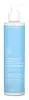
This mild cream makeup remover is made to dissolve makeup, sunscreen, and daily buildup.
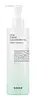
This oil-based cleanser is made to cleanse while calming and soothing your skin.


What's inside
What's inside
 Key Ingredients
Benefits
Concerns
Ingredients Side-by-side
Water
Skin ConditioningGlyceryl Stearate
Emollient

Helianthus Annuus Seed Oil
Emollient

Glyceryl Stearate Se
Emulsifying


Ricinus Communis Seed Oil
Masking
Prunus Amygdalus Dulcis Oil
Skin Conditioning
Prunus Armeniaca Kernel Oil
Masking
Glycerin
Humectant

Aloe Barbadensis Leaf Juice
Skin Conditioning

Sodium Hyaluronate
Humectant

Persea Gratissima Oil
Skin Conditioning
Allantoin
Skin Conditioning
Tocopherol
Antioxidant



Ascorbic Acid
Antioxidant

Lactic Acid
Buffering



Glyceryl Dilaurate
Emollient
Polysorbate 20
Emulsifying
Xanthan Gum
EmulsifyingPotassium Sorbate
Preservative
Phenoxyethanol
Preservative
Ethylhexylglycerin
Skin ConditioningParfum
Masking
Water, Glyceryl Stearate, Helianthus Annuus Seed Oil, Glyceryl Stearate Se, Ricinus Communis Seed Oil, Prunus Amygdalus Dulcis Oil, Prunus Armeniaca Kernel Oil, Glycerin, Aloe Barbadensis Leaf Juice, Sodium Hyaluronate, Persea Gratissima Oil, Allantoin, Tocopherol, Ascorbic Acid, Lactic Acid, Glyceryl Dilaurate, Polysorbate 20, Xanthan Gum, Potassium Sorbate, Phenoxyethanol, Ethylhexylglycerin, Parfum
Ethylhexyl Palmitate
Emollient
Sorbeth-30 Tetraoleate
Emulsifying
Triethylhexanoin
MaskingGlycine Soja Oil
Emollient
Caprylic/Capric Triglyceride
Masking
Simmondsia Chinensis Seed Oil
Emollient
Citrus Aurantifolia Oil
Cleansing
Citrus Limon Peel Oil
Masking

Citrus Aurantium Bergamia Fruit Oil
Masking
Tocopherol
Antioxidant
Helianthus Annuus Seed Oil
Emollient
Caprylyl Glycol
Emollient
Ethylhexylglycerin
Skin ConditioningAvena Sativa Kernel Oil
Skin Conditioning
Olea Europaea Fruit Oil
Masking
Oenothera Biennis Oil
Emollient
Persea Gratissima Oil
Skin Conditioning
Prunus Amygdalus Dulcis Oil
Skin Conditioning
Water
Skin Conditioning1,2-Hexanediol
Skin Conditioning
Centella Asiatica Extract
Cleansing
Centella Asiatica Leaf Extract
Skin Conditioning
Centella Asiatica Root Extract
Skin Conditioning
Pinus Pinaster Bark Extract
Antioxidant
Asiaticoside
Antioxidant
Asiatic Acid
Skin Conditioning
Madecassoside
Antioxidant
Madecassic Acid
Skin Conditioning
Ethylhexyl Palmitate, Sorbeth-30 Tetraoleate, Triethylhexanoin, Glycine Soja Oil, Caprylic/Capric Triglyceride, Simmondsia Chinensis Seed Oil, Citrus Aurantifolia Oil, Citrus Limon Peel Oil, Citrus Aurantium Bergamia Fruit Oil, Tocopherol, Helianthus Annuus Seed Oil, Caprylyl Glycol, Ethylhexylglycerin, Avena Sativa Kernel Oil, Olea Europaea Fruit Oil, Oenothera Biennis Oil, Persea Gratissima Oil, Prunus Amygdalus Dulcis Oil, Water, 1,2-Hexanediol, Centella Asiatica Extract, Centella Asiatica Leaf Extract, Centella Asiatica Root Extract, Pinus Pinaster Bark Extract, Asiaticoside, Asiatic Acid, Madecassoside, Madecassic Acid
Reviews
Ingredients Explained
These ingredients are found in both products.
Ingredients higher up in an ingredient list are typically present in a larger amount.
Ethylhexylglycerin is created from glycerin. It is a multitasker ingredient that:
The CIR Expert Panel found minimal skin absorption or sensitization of any kind in a safety assessment. Though this ingredient is considered well-tolerated, a small number of cases of allergic dermatitis have been published since 2002. Just be sure to patch test if you are unsure.
Industry-reported use ranges from 8% in rinse-off products and 2% in leave-on formulations.
Learn more about EthylhexylglycerinHelianthus Annuus Seed Oil is a plant oil derived from the seeds of a sunflower.
It is rich in fatty acids, primarily linoleic acid and oleic acid. This gives it emollient and skin conditioning properties.
The reason this ingredient is so effective is because it forms a thin film on the skin that reduces transepidermal water loss (TEWL) while supplying linoleic acid to the stratum corneum to improve barrier strength.
The high linoleic acid content is particularly noteworthy for acne-prone skin.
Research suggests that acne-prone skin tends to be deficient in linoleic acid in sebum. Topical application may help replenish this to support a healthier follicular environment and less comedone-promoting sebum.
One randomized study found sunflower seed oil preserved skin barrier integrity in adult volunteers with and without atopic dermatitis (outperforming olive oil).
This ingredient is well-studied, gentle, and an effective emollient suitable for most skin types.
On fungal acne: This ingredient may not be Fungal acne (Malassezia folliculitis) safe. This is because it contains fatty acids with carbon chain lengths in the C11-C24 range.
Learn more about Helianthus Annuus Seed OilThis ingredient is also known as Avocado oil. It's the cold-pressed oil from the flesh of the avocado fruit packed with fatty acids (mostly oleic acid).
The rich fatty acid profile allows it to function as a skin conditioning agent and emollient; it helps soften and smooth skin while reducing water loss.
Preclinical research has found that topical avocado oil increased collagen synthesis and reduced inflammation during wound healing, giving it some skin-repairing credibility.
The unsaponifiable fraction of the oil is also interesting: studies on avocado unsaponifiables showed that it helped skin produce more collagen and other structural compounds that support healing.
The CIR Expert Panel has found this ingredient to be non-irritating in formulations.
It's a great ingredient for dry or compromised skin. Just know it may not be fungal acne safe. This is because the oleic acid content falls within the range that Malassezia can use as a food source.
Learn more about Persea Gratissima OilThis ingredient is also known as sweet almond oil. It is a lightweight, cold-pressed oil from the ripe seeds of the sweet almond tree.
Sweet almond oil is rich in skin-nourishing fatty acids such as oleic acid (55-86%) and linolenic acid (7-35%).
As an emollient, it softens and hydrates skin by forming a thin barrier that locks in moisture.
Clinical studies have found it to be non-irritating and non-sensitizing. The CIR Expert Panel has evaluated the available safety data and concluded it is safe for topical use.
Because of the oleic acid content, this ingredient may not be fungal acne safe.
Learn more about Prunus Amygdalus Dulcis OilTocopherol is a fat-soluble antioxidant known as Vitamin E.
You'll find this ingredient in the vast majority of skincare (for good reason). It works to neutralize free radicals, or unstable molecules generated by UV exposure, pollution, and other environmental stressors, before they can cause oxidative damage to your skin cells.
Topically applied tocopherol has been shown to protect against UV damage by ramping up the skin's own natural defense enzymes.
It also acts as a skin conditioning agent; some studies show that regular topical use can improve the skin's water-binding capacity over 2-4 weeks.
This ingredient is especially loved for being a team player. When combined with Vitamin C, the photoprotective effect of both ingredients roughly doubles and the combo also helps reduce UV-induced DNA damage.
This ingredient has some brightening potential but it's more of a prevention ingredient than spot-fader. Cell studies show it can slow down melanin production but it's worth noting that it's not the most powerful brightener out there.
In formulations, it also serves as a stabilizer that helps protect other oxidation-prone ingredients from degrading.
Concentrations usually range from 0.1-1% in most leave-on products.
Learn more about TocopherolWater. It's the most common cosmetic ingredient of all. You'll usually see it at the top of ingredient lists, meaning that it makes up the largest part of the product.
So why is it so popular? Water most often acts as a solvent - this means that it helps dissolve other ingredients into the formulation.
You'll also recognize water as that liquid we all need to stay alive. If you see this, drink a glass of water. Remember to stay hydrated!
Learn more about Water

