Earth Rhythm Phyto Clear Oil Free Moisturiser Versus mCaffeine Glow Boost 5% Niacinamide & Green Tea Oil Free Moisturizer
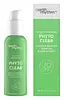
This oil-control moisturizer is formulated around Centella Asiatica Extract and Salicylic Acid to balance excess oil.
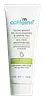
This brightening moisturizer is formulated around Niacinamide and Ceramide NP to brighten dull-looking skin and balance excess oil.

What's inside
What's inside
 Key Ingredients
Benefits
Concerns
Ingredients Side-by-side
Water
Skin ConditioningGlycerin
Humectant


Caprylic/Capric Triglyceride
Masking
Squalene
Emollient

Cetearyl Alcohol
Emollient



Cetearyl Glucoside
Emulsifying
Xylitylglucoside
Humectant
Anhydroxylitol
Humectant
Xylitol
Humectant
Centella Asiatica Extract
Cleansing



Equisetum Arvense Extract
AstringentSalvia Officinalis Leaf Extract
CleansingSodium Hyaluronate
Humectant
Betaine
Humectant
Xanthan Gum
EmulsifyingTocopheryl Acetate
Antioxidant


Benzyl Alcohol
Perfuming





Salicylic Acid
Masking




Sorbic Acid
Preservative
Parfum
Masking
Water, Glycerin, Caprylic/Capric Triglyceride, Squalene, Cetearyl Alcohol, Cetearyl Glucoside, Xylitylglucoside, Anhydroxylitol, Xylitol, Centella Asiatica Extract, Equisetum Arvense Extract, Salvia Officinalis Leaf Extract, Sodium Hyaluronate, Betaine, Xanthan Gum, Tocopheryl Acetate, Benzyl Alcohol, Salicylic Acid, Sorbic Acid, Parfum
Water
Skin ConditioningCaprylic/Capric Triglyceride
Masking
Niacinamide
Smoothing

Diheptyl Succinate
EmollientCapryloyl Glycerin/Sebacic Acid Copolymer
Skin ConditioningGlycerin
Humectant
Propanediol
Solvent
Sodium Acrylates Copolymer
Lecithin
Emollient
C12-15 Alkyl Benzoate
AntimicrobialCeramide EOP
Skin Conditioning
Ceramide Ns
Skin Conditioning
Ceramide NP
Skin Conditioning
Ceramide As
Skin Conditioning
Ceramide AP
Skin Conditioning
Sodium Hyaluronate
Humectant
Camellia Sinensis Leaf Extract
Antimicrobial
Aloe Barbadensis Leaf Extract
Emollient
Caffeine
Skin Conditioning
Coffea Arabica Seed Extract
Masking
Phytosterols
Skin Conditioning
Oleic Acid
Emollient
Linolenic Acid
Cleansing
Potassium Hyaluronate
Skin ConditioningHydroxypropyltrimonium Hyaluronate
Hydrolyzed Hyaluronic Acid
Humectant
Hydrolyzed Sodium Hyaluronate
Skin Conditioning
Sodium Hyaluronate Crosspolymer
Humectant
Pentylene Glycol
Skin Conditioning
Butylene Glycol
Humectant
Sodium Retinoyl Hyaluronate
Tocopheryl Acetate
Antioxidant
Zinc Hydrolyzed Hyaluronate
HumectantSodium Acetylated Hyaluronate
Humectant
Dimethylsilanol Hyaluronate
Humectant
Ascorbylpropyl Hydrolyzed Hyaluronate
HumectantAscorbyl Propyl Hyaluronate
Skin Conditioning
Laminaria Digitata Extract
Skin Protecting
Cetyl-Pg Hydroxyethyl Palmitamide
Skin ConditioningSodium Polyacryloyldimethyl Taurate
Emulsion StabilisingHydrogenated Polydecene
EmollientTrideceth-10
CleansingSodium Benzoate
Masking
Ethylhexylglycerin
Skin ConditioningPhenoxyethanol
Preservative
CI 47005
Cosmetic ColorantCI 42090
Cosmetic ColorantWater, Caprylic/Capric Triglyceride, Niacinamide, Diheptyl Succinate, Capryloyl Glycerin/Sebacic Acid Copolymer, Glycerin, Propanediol, Sodium Acrylates Copolymer, Lecithin, C12-15 Alkyl Benzoate, Ceramide EOP, Ceramide Ns, Ceramide NP, Ceramide As, Ceramide AP, Sodium Hyaluronate, Camellia Sinensis Leaf Extract, Aloe Barbadensis Leaf Extract, Caffeine, Coffea Arabica Seed Extract, Phytosterols, Oleic Acid, Linolenic Acid, Potassium Hyaluronate, Hydroxypropyltrimonium Hyaluronate, Hydrolyzed Hyaluronic Acid, Hydrolyzed Sodium Hyaluronate, Sodium Hyaluronate Crosspolymer, Pentylene Glycol, Butylene Glycol, Sodium Retinoyl Hyaluronate, Tocopheryl Acetate, Zinc Hydrolyzed Hyaluronate, Sodium Acetylated Hyaluronate, Dimethylsilanol Hyaluronate, Ascorbylpropyl Hydrolyzed Hyaluronate, Ascorbyl Propyl Hyaluronate, Laminaria Digitata Extract, Cetyl-Pg Hydroxyethyl Palmitamide, Sodium Polyacryloyldimethyl Taurate, Hydrogenated Polydecene, Trideceth-10, Sodium Benzoate, Ethylhexylglycerin, Phenoxyethanol, CI 47005, CI 42090
Ingredients Explained
These ingredients are found in both products.
Ingredients higher up in an ingredient list are typically present in a larger amount.
Caprylic/Capric Triglyceride (aka MCT Oil) is a lightweight emollient, solvent, and texture enhancer. It is considered a skin-softener by helping to prevent moisture loss.
Though it behaves like an oil, it is not technically one due to its chemical composition. One perk of this ingredient is that it is very stable, resistant to oxidation, and unlikely to go rancid.
In practice, that translates to a long shelf life and a consistently elegant skin feel.
While there is an assumption Caprylic Triglyceride can clog pores due to it being derived from coconut oil, there is no research supporting this. Just patch test if you have concerns.
Fractionated coconut oil and MCT Oil are both listed as Caprylic/Capric Triglyceride according to INCI. This is because INCI names are based on the ingredient’s final chemical composition and not its marketing name or source.
This ingredient is treated as the gold standard fungal acne safe oil. Even though it is coconut derived, the problematic lauric acid is stripped out.
This leaves just caprylic (C8) and capric (C10) acid. These chain lengths actually trend antifungal; a 2020 study found caprylic acid was enough to disrupt Malassezia furfur cell membrane, with a caprylic acid derivative damaging membrane structures at concentrations as low as 0.2%.
Learn more about Caprylic/Capric TriglycerideGlycerin (or glycerol) is a compound naturally found in your skin. It's a powerhouse humectant that pulls water into the stratum corneum.
Topically, glycerin does several things at once:
Your skin makes glycerin on its own (mostly from sebaceous oil breakdown) and shuttles it to your outermost layer of skin, or your epidermis, via aquaporin-3.
Aquaporin-3 is a transporter that is essential for normal skin hydration, elasticity, and repair. Interestingly, mice lacking in AQP3 have dry and less elastic skin that can be fully corrected with glycerin.
This ingredient is non-irritating, plays well with almost every ingredient, and works across all skin types. Typical use is anywhere between 3-10% but can go up to 79% in some leave-on products.
Just know very high concentrations (>40%) can feel tacky in low humidity.
Glycerin is the name for this ingredient in American English. British English uses Glycerol/Glycerine.
Learn more about GlycerinSodium Hyaluronate is the salt form of hyaluronic acid. It is a long sugar chain that is naturally found in your skin, joints, and connective tissue that maintains hydration and elasticity.
In skincare, it works as a humectant. It pulls water from the environment and deeper layers of skin and binds it to the surface.
Interestingly, the size of the molecule affects its behavior:
Some clinical evidence links low molecular weight versions to improved wrinkle depth, elasticity, anti-inflammatory effects, and barrier repair.
Many serums use a blend of both weights so you can get surface hydration plus longer-lasting and deeper effects.
You'll typically see concentrations between 0.1-2% for this ingredient.
Learn more about Sodium HyaluronateTocopheryl Acetate is a stable, shelf-friendly form of vitamin E.
Formulators love it because plain vitamin E oxidizes quickly once it hits air. This acetate version stays stable and resists going off, helping to extend a product's shelf life.
It's actually inactive on its own and works like a slow-release "storage" form; the enzymes in your skin called esterases gradually convert it into active vitamin E over time.
One in vivo study showed 5% of the acetate in the living layer of the epidermis converted to vitamin E after 5 days of application. This study also found the skin gained protection against UV damage even though the conversion was slow and small.
Once converted, vitamin E acts as a skin's main fat-soluble antioxidant that fights free radicals to protect skin from damage.
Topical vitamin E generally boosts the skin's photoprotection, and it reduced UV-damage in animal models.
This ingredient has some brightening potential but it's more of a prevention ingredient than spot-fader. Cell studies show it can slow down melanin production but it's worth noting that it's not the most powerful brightener out there.
Overall, it has a pretty solid safety profile and has been found to be non-irritating and non-comedogenic. Allergic reactions may happen but stay rare due to how widely the ingredient gets used.
The concentration will vary depending on the formula; industry data shows 0.1% in baby lotions, 3% in lipsticks, and 5% in foot powders. You can also find this ingredient at 100% in a pure vitamin E oil.
Most leave-on skincare keeps it at the lower end, often between 0.5-1%.
Learn more about Tocopheryl AcetateWater. It's the most common cosmetic ingredient of all. You'll usually see it at the top of ingredient lists, meaning that it makes up the largest part of the product.
So why is it so popular? Water most often acts as a solvent - this means that it helps dissolve other ingredients into the formulation.
You'll also recognize water as that liquid we all need to stay alive. If you see this, drink a glass of water. Remember to stay hydrated!
Learn more about Water

