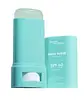
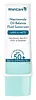
Earth Rhythm Aqua Surge Clear Sunstick SPF 60 Versus Wishcare 5% Niacinamide Oil Balance Fluid Sunscreen SPF50 PA++++
This chemical sunscreen covers the full UV range and blocks ~98% of UVB at SPF 60.
This hybrid sunscreen covers the full UV range and blocks ~98% of UVB at SPF 50.

What's inside
What's inside
 Key Ingredients
Benefits
Concerns
Ingredients Side-by-side
Caprylic/Capric Triglyceride
Masking


Helianthus Annuus Seed Oil
Emollient


Phenyl Trimethicone
Skin Conditioning
Dimethiconol
Emollient
C12-15 Alkyl Benzoate
AntimicrobialDimethicone Crosspolymer
Emulsion Stabilising
Homosalate
Skin Conditioning

Bis-Ethylhexyloxyphenol Methoxyphenyl Triazine
UV Absorber
Dibutyl Ethylhexanoyl Glutamide
Skin ConditioningDibutyl Lauroyl Glutamide
Skin ConditioningSodium Hyaluronate
Humectant


Methyl Methacrylate Crosspolymer

Laminaria Digitata Extract
Skin Protecting

Cetyl-Pg Hydroxyethyl Palmitamide
Skin ConditioningCeramide EOP
Skin Conditioning

Ceramide Ns
Skin Conditioning
Ceramide NP
Skin Conditioning
Ceramide As
Skin Conditioning
Ceramide AP
Skin Conditioning
Tocopheryl Acetate
Antioxidant


Caprylic/Capric Triglyceride, Helianthus Annuus Seed Oil, Phenyl Trimethicone, Dimethiconol, C12-15 Alkyl Benzoate, Dimethicone Crosspolymer, Homosalate, Bis-Ethylhexyloxyphenol Methoxyphenyl Triazine, Dibutyl Ethylhexanoyl Glutamide, Dibutyl Lauroyl Glutamide, Sodium Hyaluronate, Methyl Methacrylate Crosspolymer, Laminaria Digitata Extract, Cetyl-Pg Hydroxyethyl Palmitamide, Ceramide EOP, Ceramide Ns, Ceramide NP, Ceramide As, Ceramide AP, Tocopheryl Acetate
Water
Skin ConditioningCyclopentasiloxane
Emollient
Ethylhexyl Salicylate
UV Absorber
Niacinamide
Smoothing





Silica
Abrasive
Butyl Methoxydibenzoylmethane
UV Absorber
Octocrylene
UV Absorber
Butylene Glycol
Humectant
Glycerin
Humectant
Homosalate
Skin Conditioning
Tapioca Starch
Neopentyl Glycol Diheptanoate
EmollientAmps/Hema Crosspolymer
C13-15 Alkane
SolventCoco-Glucoside
Cleansing
Octyldodecanol
Emollient
Polysorbate 20
Emulsifying
Zinc Oxide
Cosmetic Colorant
Titanium Dioxide
Cosmetic Colorant
Avena Sativa Kernel Extract
Abrasive
Zinc PCA
Humectant
Sorbitan Olivate
Emulsifying
Ceramide AP
Skin Conditioning
Ceramide NP
Skin Conditioning
Ceramide Eos
Skin Conditioning
Panthenol
Skin Conditioning
Centella Asiatica Extract
Cleansing
Ethylhexylglycerin
Skin ConditioningPhenoxyethanol
Preservative
Xanthan Gum
EmulsifyingTocopheryl Acetate
Antioxidant
Hyaluronic Acid
Humectant
Citric Acid
Buffering
Water, Cyclopentasiloxane, Ethylhexyl Salicylate, Niacinamide, Silica, Butyl Methoxydibenzoylmethane, Octocrylene, Butylene Glycol, Glycerin, Homosalate, Tapioca Starch, Neopentyl Glycol Diheptanoate, Amps/Hema Crosspolymer, C13-15 Alkane, Coco-Glucoside, Octyldodecanol, Polysorbate 20, Zinc Oxide, Titanium Dioxide, Avena Sativa Kernel Extract, Zinc PCA, Sorbitan Olivate, Ceramide AP, Ceramide NP, Ceramide Eos, Panthenol, Centella Asiatica Extract, Ethylhexylglycerin, Phenoxyethanol, Xanthan Gum, Tocopheryl Acetate, Hyaluronic Acid, Citric Acid
Reviews
Alternatives
Ingredients Explained
These ingredients are found in both products.
Ingredients higher up in an ingredient list are typically present in a larger amount.
Ceramide AP is is a skin-identical lipid that mimics what your skin already makes naturally. Ceramides help maintain epidermal integrity and barrier function.
You'll often see this ingredient paired with other ceramides (like ceramide NP), cholesterol, or fatty acids because this combination best mimics the natural lipid mix your skin already has.
The skin's ability to produce ceramides gets disrupted in skin conditions like eczema. This in turn weakens the skin barrier and applying ceramides topically has been shown to replenish what's been lost to restore barrier function.
Most of the studies with Ceramide AP test it as part of a multi-ceramide complex; studies reinforce ceramide AP's role in rebalancing ceramides in skin and improving skin hydration.
Learn more about Ceramide APCeramide NP (formerly known as Ceramide 3) is one of the skin's naturally occurring lipids.
Since ceramides are the major lipid components of the skin, they are crucial for maintaining skin barrier and hydration. Ceramide NP most closely mirrors the dominant kind in human skin amongst ceramide subtypes.
This ceramide works by slotting into gaps within the stratum corneum's lipid matrix to limit trans-epidermal water loss (TEWL) and shield the skin against external irritants.
A study with 312 patients found that using a ceramide-containing routine for 4 weeks reduced the severity of atopic dermatitis by over 61%.
Another clinical study in subjects aged 60 and older found that a ceramide body wash and moisturizer improved skin dryness and itchy skin in 15 days.
Overall, ceramides are considered non-irritating and safety tests have found little to no observable adverse effects from using this ingredient.
Ceramide NP is usually sourced from plants (like soybean or rice bran), or produced synthetically.
Learn more about Ceramide NPHomosalate is an oil-soluble organic UVB filter that has been a sunscreen staple for decades. Its job is to absorb UVB rays (~295-315 nm) and protect your skin against sunburn,
This is one of the more photostable organic UV filters; it holds up pretty well under UV and a 2022 quantum-chemistry study found it stays stable in sunlight.
It's actually so reliable that formulators often pair it with shakier ingredients like oxybenzone and avobenzone. Formulators also use it to help dissolve the other UV filters into the oil phase.
One thing to keep in mind: "stable" isn't the same as "strong". On its own, homosalate is actually a pretty weak UV filter so it's better off as a helpful team player that helps boost overall SPF protection.
The safety picture is a bit nuanced but not scary.
This ingredient has a long track record of being gentle and regulators agree it isn't an irritant; EU's Scientific Committee on Consumer Safety found that homosalate is not considered a skin irritant and doesn't raise eye-irritation flags either.
There's talk about homosalate because your skin absorbs a little bit of it into your bloodstream. A 2020 FDA-backed study found homosalate showed up in people's blood levels at the level where the FDA decides to double check.
The EU's Scientific Committee on Consumer Safety (SCCS) also found small amounts in blood and breast milk. They estimated that about 5% of what you apply gets absorbed through the skin.
Due to the debate about whether it might mess with hormones, the SCCS recommended a maximum limit of 0.5% in most products of 7.3% in face creams/pump sprays.
One important thing to keep in mind: in the US, Homosalate is currently labeled "non-GRASE" by the FDA. This sounds alarming but really just means the FDA wants more data to confirm it's safe. It's not confidently saying this ingredient is harmful.
As of now, homosalate is still completely legal and widely used while that research gets done.
The current maximum limits are:
Learn more about HomosalateTocopheryl Acetate is a stable, shelf-friendly form of vitamin E.
Formulators love it because plain vitamin E oxidizes quickly once it hits air. This acetate version stays stable and resists going off, helping to extend a product's shelf life.
It's actually inactive on its own and works like a slow-release "storage" form; the enzymes in your skin called esterases gradually convert it into active vitamin E over time.
One in vivo study showed 5% of the acetate in the living layer of the epidermis converted to vitamin E after 5 days of application. This study also found the skin gained protection against UV damage even though the conversion was slow and small.
Once converted, vitamin E acts as a skin's main fat-soluble antioxidant that fights free radicals to protect skin from damage.
Topical vitamin E generally boosts the skin's photoprotection, and it reduced UV-damage in animal models.
This ingredient has some brightening potential but it's more of a prevention ingredient than spot-fader. Cell studies show it can slow down melanin production but it's worth noting that it's not the most powerful brightener out there.
Overall, it has a pretty solid safety profile and has been found to be non-irritating and non-comedogenic. Allergic reactions may happen but stay rare due to how widely the ingredient gets used.
The concentration will vary depending on the formula; industry data shows 0.1% in baby lotions, 3% in lipsticks, and 5% in foot powders. You can also find this ingredient at 100% in a pure vitamin E oil.
Most leave-on skincare keeps it at the lower end, often between 0.5-1%.
Learn more about Tocopheryl Acetate

