
What's inside
What's inside
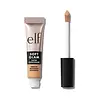 Key Ingredients
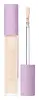
Benefits
Concerns
Ingredients Side-by-side
Water
Skin ConditioningIsononyl Isononanoate
EmollientHydrogenated Polyisobutene
EmollientPropylene Glycol
Humectant


Glycerin
Humectant

Polyglyceryl-3 Polyricinoleate
Emulsifying
Squalane
Emollient
Magnesium Sulfate
Trimethylsiloxysilicate
Emollient
Polyglyceryl-3 Diisostearate
Emulsifying

Disteardimonium Hectorite
StabilisingPanthenol
Skin Conditioning

Hdi/Trimethylol Hexyllactone Crosspolymer
Phenoxyethanol
Preservative
Disodium Stearoyl Glutamate
CleansingSorbitan Isostearate
Emulsifying
Aluminum Hydroxide
EmollientMagnesium Palmitate
Magnesium Stearate
Cosmetic ColorantCaprylyl Glycol
Emollient
Ethylhexylglycerin
Skin ConditioningHydrolyzed Sodium Hyaluronate
Skin Conditioning
Sodium Hyaluronate
Humectant
Erythritol
Humectant
Tocopherol
Antioxidant



Helianthus Annuus Seed Oil
Emollient
Silica
Abrasive


Hibiscus Sabdariffa Fruit Extract
CI 77891
Cosmetic ColorantIron Oxides
Water, Isononyl Isononanoate, Hydrogenated Polyisobutene, Propylene Glycol, Glycerin, Polyglyceryl-3 Polyricinoleate, Squalane, Magnesium Sulfate, Trimethylsiloxysilicate, Polyglyceryl-3 Diisostearate, Disteardimonium Hectorite, Panthenol, Hdi/Trimethylol Hexyllactone Crosspolymer, Phenoxyethanol, Disodium Stearoyl Glutamate, Sorbitan Isostearate, Aluminum Hydroxide, Magnesium Palmitate, Magnesium Stearate, Caprylyl Glycol, Ethylhexylglycerin, Hydrolyzed Sodium Hyaluronate, Sodium Hyaluronate, Erythritol, Tocopherol, Helianthus Annuus Seed Oil, Silica, Hibiscus Sabdariffa Fruit Extract, CI 77891, Iron Oxides
Water
Skin ConditioningHydrogenated Polyisobutene
EmollientIsononyl Isononanoate
EmollientPropanediol
Solvent
Glycerin
Humectant
Polyglyceryl-3 Polyricinoleate
Emulsifying
Polyglyceryl-3 Diisostearate
Emulsifying
Disteardimonium Hectorite
StabilisingSorbitan Isostearate
Emulsifying
Magnesium Sulfate
Sodium Dehydroacetate
Preservative
Caprylyl Glycol
Emollient
1,2-Hexanediol
Skin Conditioning
Magnesium Stearate
Cosmetic ColorantTocopheryl Acetate
Antioxidant
Sodium Lauroyl Glutamate
SurfactantLysine
Skin ConditioningMagnesium Chloride
Sodium Hyaluronate
Humectant
Cassia Angustifolia Seed Polysaccharide
Skin ConditioningCentella Asiatica Extract
Cleansing
Lactobacillus Ferment Lysate
Skin Conditioning
Camellia Sinensis Leaf Extract
Antimicrobial
Punica Granatum Bark/Fruit Extract
AntimicrobialLactobacillus Ferment
Skin Conditioning
Caffeine
Skin Conditioning
CI 77002
Cosmetic ColorantCI 77891
Cosmetic ColorantIron Oxides
Water, Hydrogenated Polyisobutene, Isononyl Isononanoate, Propanediol, Glycerin, Polyglyceryl-3 Polyricinoleate, Polyglyceryl-3 Diisostearate, Disteardimonium Hectorite, Sorbitan Isostearate, Magnesium Sulfate, Sodium Dehydroacetate, Caprylyl Glycol, 1,2-Hexanediol, Magnesium Stearate, Tocopheryl Acetate, Sodium Lauroyl Glutamate, Lysine, Magnesium Chloride, Sodium Hyaluronate, Cassia Angustifolia Seed Polysaccharide, Centella Asiatica Extract, Lactobacillus Ferment Lysate, Camellia Sinensis Leaf Extract, Punica Granatum Bark/Fruit Extract, Lactobacillus Ferment, Caffeine, CI 77002, CI 77891, Iron Oxides
Reviews
Ingredients Explained
These ingredients are found in both products.
Ingredients higher up in an ingredient list are typically present in a larger amount.
Caprylyl Glycol is a humectant, skin conditioner, emollient, and preservative booster derived from either caprylic acid or synthetically created.
Typical use levels vary from 0.3-1% as a preservative booster and go up to 2% to condition skin.
Because it is not a free-fatty acid, this ingredient is fungal acne safe (there's nothing for Malassezia to feed on).
Learn more about Caprylyl GlycolCi 77891 is a white pigment from Titanium dioxide. It is naturally found in minerals such as rutile and ilmenite.
It's main function is to add a white color to cosmetics. It can also be mixed with other colors to create different shades.
Ci 77891 is commonly found in sunscreens due to its ability to block UV rays.
Learn more about CI 77891Disteardimonium Hectorite comes from the clay mineral named hectorite. It is used to add thickness to a product.
It can also help stabilize a product by helping to disperse other ingredients.
Hectorite is a rare, white clay mineral.
Learn more about Disteardimonium HectoriteGlycerin (or glycerol) is a compound naturally found in your skin. It's a powerhouse humectant that pulls water into the stratum corneum.
Topically, glycerin does several things at once:
Your skin makes glycerin on its own (mostly from sebaceous oil breakdown) and shuttles it to your outermost layer of skin, or your epidermis, via aquaporin-3.
Aquaporin-3 is a transporter that is essential for normal skin hydration, elasticity, and repair. Interestingly, mice lacking in AQP3 have dry and less elastic skin that can be fully corrected with glycerin.
This ingredient is non-irritating, plays well with almost every ingredient, and works across all skin types. Typical use is anywhere between 3-10% but can go up to 79% in some leave-on products.
Just know very high concentrations (>40%) can feel tacky in low humidity.
Glycerin is the name for this ingredient in American English. British English uses Glycerol/Glycerine.
Learn more about GlycerinHydrogenated Polyisobutene is a synthetic polymer. Polymers are compounds with high molecular weight. Hydrogenated Polyisobutene is an emollient and texture enhancer.
In one study, Hydrogenated Polyisobutene showed better skin hydration levels than Caprylic/Capric Triglyceride. As an emollient, it helps keep your skin soft and hydrated by trapping moisture in.
Hydrogenated Polyisobutene is often used as a mineral oil replacement.
Learn more about Hydrogenated PolyisobuteneIsononyl Isononanoate is a synthetic skin-conditioner and texture enhancer. It is created from nonanoic acid, a fatty acid found in cocoa and lavender oil.
As an emollient, Isononyl Isononanoate helps keep your skin soft and smooth. This is because emollients create a barrier on the skin to trap moisture in.
Isononyl Isononanoate helps give products a velvet feel and improves spreadability.
Learn more about Isononyl IsononanoateMagnesium Stearate is a salt that is 2 parts stearic acid and 1 part magnesium.
It is a white powder that can be used to add bulk and color to products by binding to oil ingredients.
Magnesium Sulfate is a salt. More specifically, it is an epsom salt, or the bath salt used to help relieve muscle aches.
Despite having ‘sulfate’ in the name, it isn’t a surfactant or cleansing agent like sodium lauryl sulfate. Unlike those sulfates, magnesium sulfate doesn’t have the same cleansing or foaming properties (it's simply a type of salt).
In cosmetics, Magnesium Sulfate is used to thicken a product or help dilute other solids. It is a non-reactive and non-irritating ingredient.
One study shows magnesium deficiency may lead to inflammation of the skin. Applying magnesium topically may help reduce inflammation.
You can find this ingredient in sea water or mineral deposits.
Learn more about Magnesium SulfatePolyglyceryl-3 Diisostearate is a plant-derived, oil-soluble emulsifier. It keeps water-in-oil emulsions stable to prevent the ingredients from separating.
On the safety front, it's considered non-irritating and well-tolerated (it can even be found in formulations for baby skin).
This ingredient may not be fungal acne safe because research has shown that the Malassezia species can grow in the presence of fatty acid esters with chain lengths above C12 (and this one is C18).
While it does have a comedogenic rating of 4, the comedogenic rating scale was developed from rabbit ear models which has limited clinical relevance to human skin. Studies also show that comedogenic ingredients cannot predict how the overall formula will behave on human skin.
Learn more about Polyglyceryl-3 DiisostearatePolyglyceryl-3 Polyricinoleate is a plant-derived emulsifier made by combining glycerin and ricinoleic acid.
It works well for giving buttery lip balms and low-viscosity water-in-oil emulsions a non-greasy and pleasant skin feel.
Typical concentrations range from 0.1-3%.
This ingredient is mild and non-irritating in nature.
Because it is derived from ricinoleic acid, this ingredient may not be fungal acne safe. Ricinoleic acid is an unsaturated fatty acid that the Malassezia yeast can metabolize.
Learn more about Polyglyceryl-3 PolyricinoleateSodium Hyaluronate is the salt form of hyaluronic acid. It is a long sugar chain that is naturally found in your skin, joints, and connective tissue that maintains hydration and elasticity.
In skincare, it works as a humectant. It pulls water from the environment and deeper layers of skin and binds it to the surface.
Interestingly, the size of the molecule affects its behavior:
Some clinical evidence links low molecular weight versions to improved wrinkle depth, elasticity, anti-inflammatory effects, and barrier repair.
Many serums use a blend of both weights so you can get surface hydration plus longer-lasting and deeper effects.
You'll typically see concentrations between 0.1-2% for this ingredient.
Learn more about Sodium HyaluronateSorbitan Isostearate is an emulsifer. It is created from isostearic acid and sorbitol.
As an emulsifier, it keeps the water and oil ingredients from separating. This keeps formulas stable and smooth.
In a 24 hour occlusive patch test on 56 subjects, 10% sorbitan isostearate was completely non-irritating. Most formulas use less than 10%.
Because it's a fatty acid ester, it may not be fungal acne safe since the Malassezia yeast can utilize it as a nutrient source.
Learn more about Sorbitan IsostearateWater. It's the most common cosmetic ingredient of all. You'll usually see it at the top of ingredient lists, meaning that it makes up the largest part of the product.
So why is it so popular? Water most often acts as a solvent - this means that it helps dissolve other ingredients into the formulation.
You'll also recognize water as that liquid we all need to stay alive. If you see this, drink a glass of water. Remember to stay hydrated!
Learn more about WaterThis ingredient is a combination of red, black, and yellow iron oxide pigments. This combination of colors is usually found in foundation, because it results in a "skin" color.
The EU typically uses CI numbers for colorants when applicable, such as CI 77489. In the US, iron oxides are regulated as color additives and "iron oxides" is the most commonly used name in US cosmetic practice.
A 2021 paper looked at skincare formulations containing iron oxides and found that they reduced transmission of blue light when measured optically. In simple terms, the pigment particles helped block or scatter part of the visible light spectrum in lab testing and the authors suggest this could translate into better protection against blue-light-related skin effects.
There is also clinical and experimental research showing that tinted products containing iron oxides can reduce visible light-induced pigmentation:
Please note, whether a product reduces visible or blue light depends on things like:
In the EU's CosIng database, iron oxides are only listed as a colorant. CosIng groups ingredients by their main cosmetic role, such as colorant, preservative, or UV filter.
Though studies say iron oxides can "attenuate blue light", they're describing an optical property and not an officially recognized cosmetic function.
So CosIng isn’t contradicting the research. It’s just classifying iron oxides by what they officially are: pigments that add color.
Learn more about Iron Oxides

